If your winter heating bills jump the minute a cold front rolls through South Texas, you are not alone. Knowing how to be energy efficient with heating is less about one big fix and more about making sure your system is the right fit, runs cleanly, and is not wasting heat your home already paid for.
In Corpus Christi and the surrounding area, heating needs are different from places with long, severe winters. Most homeowners here do not need to build their entire HVAC plan around extreme cold for months at a time. What matters more is choosing equipment that can handle mild-to-moderate winter demand efficiently, then keeping it tuned so you are not overpaying during those colder stretches.
How to be energy efficient with heating starts with the system itself
A lot of heating waste begins before you ever touch the thermostat. If the unit is oversized, undersized, aging, or poorly matched to the home, efficiency suffers. An oversized system may heat too quickly and shut off before it runs long enough to distribute air evenly. An undersized system can run constantly and still struggle to maintain temperature. Either way, you spend money without getting the comfort you expected.
That is why proper sizing matters. Square footage is part of the equation, but it is not the whole story. Ceiling height, insulation levels, sun exposure, window quality, duct condition, and how often certain rooms are used all affect the right heating setup. In South Texas, heat pumps are often a strong choice because they can deliver efficient heating in our climate while also handling cooling during the much longer warm season. But there are cases where a furnace or a ductless solution makes more sense, especially in additions, garages, shops, or homes with hot and cold spots.
If your current equipment is more than 10 to 15 years old, replacement can be the most cost-effective move even if the system still turns on. Older systems often lose efficiency gradually, so the drop in performance can feel normal until you compare utility bills and comfort levels with newer equipment.
Thermostat habits make a bigger difference than most people think
One of the simplest answers to how to be energy efficient with heating is also one of the most overlooked: stop overheating the house. Every degree you raise the thermostat adds to your operating cost. In a mild winter climate, small setting changes can make a noticeable difference over the course of a season.
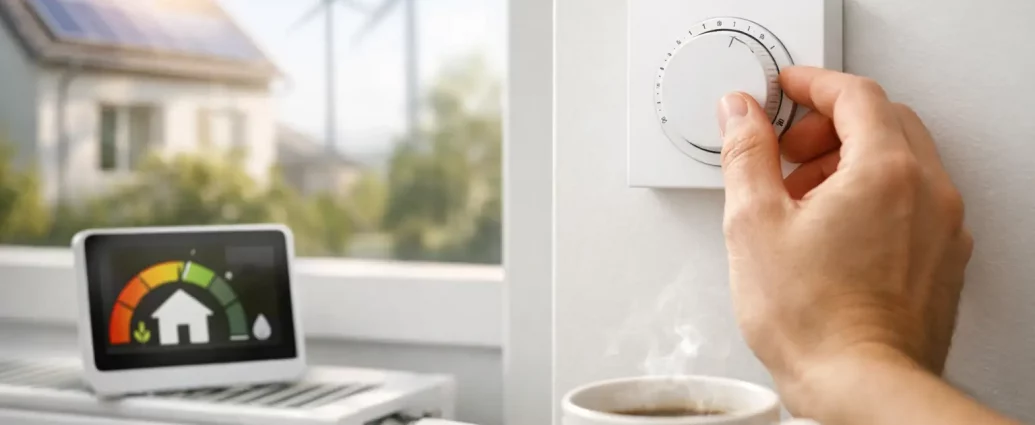
For many households, a steady, reasonable temperature works better than dramatic swings. If you turn the thermostat way up because the house feels chilly, the system does not heat faster – it just runs longer until it reaches that higher setting. A programmable or smart thermostat helps because it keeps the home comfortable when you need it and avoids unnecessary runtime when you are asleep or away.
That said, setbacks are not always identical for every system. Heat pumps can behave differently than furnaces, and aggressive setbacks may reduce some of the efficiency benefit if the system has to work hard to recover. It depends on the equipment and the home. The best approach is usually moderate adjustments, not extremes.
Airflow problems quietly drive up heating costs
Your heating system can only be efficient if air moves the way it is supposed to. Dirty filters, blocked returns, closed vents, and duct leaks all force the system to work harder. This is one of the most common reasons homeowners pay more than they should.
Start with the filter. A clogged filter restricts airflow and can reduce both efficiency and equipment life. Check it regularly during heavy-use periods and replace it based on the system requirements, the type of filter, and how much dust, pet hair, or construction debris your home deals with. There is no one-size-fits-all schedule that works for every house.
It also helps to make sure supply vents and return grilles are not blocked by furniture, rugs, or storage. Closing vents in unused rooms sounds like a money-saving trick, but it often creates pressure issues that hurt system performance. In many homes, keeping airflow balanced is the smarter move.
If some rooms stay cold while others heat normally, duct leakage or poor duct design could be part of the problem. Heated air that escapes into an attic or crawlspace is money gone. Sealing and insulating ductwork can improve efficiency, especially in older homes.
Insulation and air sealing matter just as much as the heater
Homeowners sometimes focus only on the equipment and forget the building envelope. Even a high-efficiency system struggles if warm air escapes through attic gaps, worn weatherstripping, drafty doors, or under-insulated walls and ceilings.
In South Texas, insulation upgrades help year-round because they reduce both winter heat loss and summer heat gain. That makes them one of the better long-term efficiency investments. Air sealing around windows, doors, attic penetrations, and recessed lighting can also make a bigger impact than expected.
Windows are a good example of trade-offs. Full window replacement can improve comfort and efficiency, but it is not always the first place to spend money if the HVAC system is outdated or the attic is under-insulated. Sometimes lower-cost fixes like weatherstripping, caulking, or solar screens make more financial sense first.
Maintenance is cheaper than waste
Heating efficiency drops when maintenance gets skipped. Dust buildup, worn components, low airflow, dirty coils, and refrigerant-related issues in heat pump systems can all reduce performance. What makes this frustrating is that the system may still seem to be working, just not as efficiently as it should.
A professional inspection before winter can catch small issues before they turn into bigger repair bills. It can also confirm whether the system is operating as designed. That includes checking controls, electrical components, blower performance, drain condition, and overall system cleanliness.
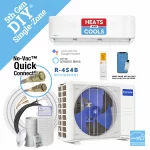
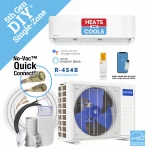
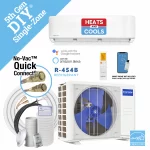
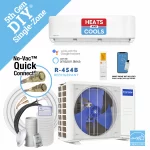
If you own a ductless or DIY-style system, support matters. Many homeowners are surprised to learn that not every company is willing to service equipment they did not install. Working with a local dealer that supports both product selection and ongoing service can save a lot of frustration later, especially if efficiency problems show up after installation.
When an upgrade makes more sense than another repair
There is a point where chasing repairs stops being the budget option. If your heater is breaking down regularly, struggling to keep up, or causing utility bills to climb, replacement may be the more efficient financial decision.
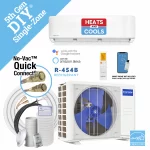
For South Texas homeowners, modern heat pump technology can be especially appealing because it covers both heating and cooling in one system. High-efficiency central systems, air handlers, and ductless mini-splits can offer better comfort control with lower energy use than many older units. Ductless systems are also worth a serious look for room additions, converted garages, workshops, and spaces that never seem to stay comfortable with the main system.
The right upgrade depends on the layout of the home and how you actually use it. A whole-house replacement is not always necessary. Sometimes a targeted ductless solution in a problem area prevents you from overworking the main system. Other times, a properly sized central replacement is the better value because it improves comfort across the entire house.
For homeowners who want trusted local guidance, Your Bargain Mart helps customers sort through those choices with honest pricing, authorized MRCOOL options, and local support that does not disappear after the sale.
Smart heating efficiency is about matching the fix to the problem
The biggest mistake homeowners make is assuming every high bill means they need new equipment. Sometimes the real issue is a dirty filter, leaky ducts, poor thermostat settings, or air leaks in the attic. On the other hand, hanging onto an inefficient system too long can cost more than upgrading.
That is why the best way to be energy efficient with heating is to look at the full picture. Consider the age and condition of the equipment, how well the home holds heat, whether airflow is balanced, and whether the system is right for the space. A garage apartment, older ranch home, and newly built house may all need different solutions even if they are the same square footage.
Good heating efficiency is not about chasing gimmicks. It is about using the right equipment, keeping it maintained, and making sure your home is not leaking comfort. If you get those basics right, lower bills usually follow – and so does a house that feels better when the temperature drops.