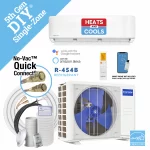
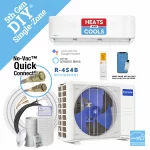
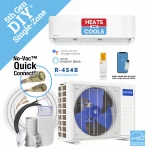
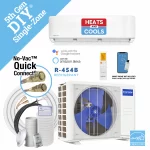
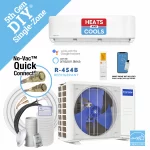

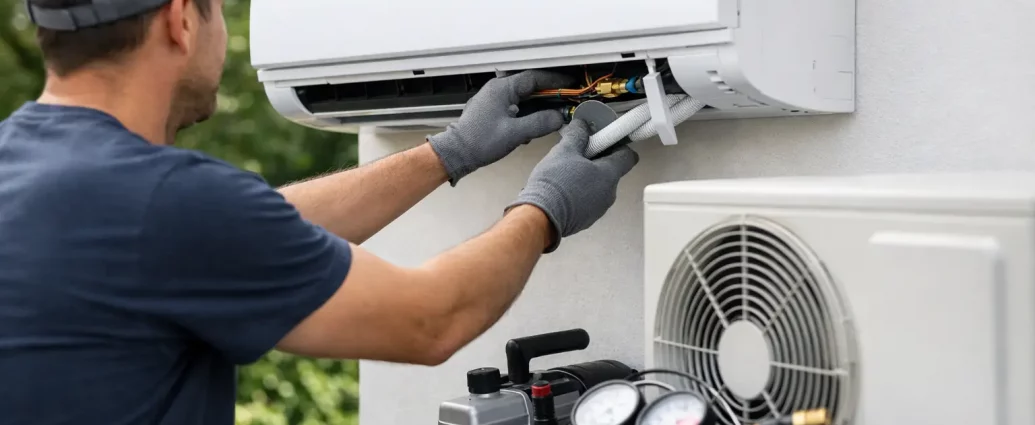
A DIY mini split can save you money, but only if the installation is done cleanly from the start. If you are researching how to install diy mini split systems for a garage, bedroom addition, shop, or older South Texas home, the goal is not just getting it to turn on. The goal is reliable comfort, proper drainage, efficient performance, and no warranty headaches later.
- Before You Install a DIY Mini Split
- Picking the Best Location
- How to Install DIY Mini Split Wall Unit and Line Set
- Electrical and Communication Wiring
- Setting the Outdoor Unit
- Startup and First Test
- Common Problems During a DIY Mini Split Installation
- When DIY Makes Sense – and When It Does Not
- The Best Way to Get a Good Result
Before You Install a DIY Mini Split
The first decision is not where to hang the wall unit. It is whether the system is sized correctly for the space. A mini split that is too small will run hard and struggle in a Corpus Christi summer. A unit that is too large can short cycle, which hurts comfort and efficiency.
Room size matters, but it is not the whole story. Ceiling height, insulation, sun exposure, window area, and how the room is used all affect sizing. A detached shop with metal walls is different from a shaded bedroom. This is where many DIY installs go off track – the install may be neat, but the equipment choice was wrong from day one.
You also need to confirm that your electrical service matches the unit requirements. Some systems need a dedicated 115V circuit, while others require 230V. Always verify breaker size, wire size, and disconnect requirements before the unit shows up. If electrical work is outside your comfort zone, that part is worth handing to a licensed professional.
Picking the Best Location
Indoor unit placement affects comfort more than most homeowners expect. The air handler should be mounted high on an exterior wall whenever possible, with enough open space around it for airflow and service access. You do not want it blowing directly onto a bed, desk, or favorite chair all day.
Outdoor placement matters just as much. The condenser needs solid support, good airflow, and enough clearance around it. In South Texas, keep in mind direct sun, salt air if you are near the coast, and areas where water may collect after heavy rain. A level pad or wall bracket can work, but the unit must stay stable and elevated enough to avoid drainage or debris problems.
Line length also matters. Shorter runs are usually simpler and cleaner, but you should never force a bad indoor location just to shorten the refrigerant line. Good placement is a balance between comfort, serviceability, appearance, and the allowed line-set length for the system.
How to Install DIY Mini Split Wall Unit and Line Set
Once the location is finalized, mount the indoor bracket securely to wall framing. Do not trust drywall anchors for this. The air handler needs to sit level so condensate drains properly. Even a slight tilt the wrong way can lead to indoor water issues later.
After the bracket is up, you will drill the wall penetration for the line set, drain line, and communication cable. The hole should slope slightly downward toward the outside so water drains away from the home. This is one of those small steps that has a big payoff. A poor hole angle can create nuisance leaks that look like equipment problems when the real issue is installation.
Carefully route the precharged line set without kinking it. That is a common DIY mistake. Sharp bends can restrict flow or damage the line. Take your time, support the line as you work, and keep the bend radius gentle. If the system includes quick-connect fittings, follow the manufacturer torque guidance exactly. Too loose can leak. Too tight can damage the connection.
The drain line should run continuously downhill to an approved discharge point. No dips, no traps unless the instructions specifically call for one, and no route that allows water to sit in the line. In humid weather, the drain has a lot of work to do. A clean drain layout is not optional in this region.
Electrical and Communication Wiring
Every mini split has specific wiring requirements, and this is where careful reading beats guesswork. The indoor and outdoor units must be connected exactly as labeled. Terminal numbers need to match. Grounding must be done correctly. Wire gauge must meet the unit specifications and local code.
This is also the stage where homeowners sometimes realize a DIY system is only partly DIY. Mounting equipment and routing the line set may feel manageable, but running a new dedicated circuit or installing a disconnect may call for licensed help. That is not a failure. It is good judgment.
A safe, code-compliant electrical setup protects the equipment and the home. It also protects your ability to get service later without someone having to redo basic install work before troubleshooting can even begin.
Setting the Outdoor Unit
The condenser should be level, firmly mounted, and positioned for service access. Avoid squeezing it into a tight corner just to keep it out of sight. Mini splits need breathing room, especially during peak cooling season when they are moving a lot of heat.
If you are using a pad, place it on stable ground that will not shift. If you are using wall brackets, make sure they are rated for the load and fastened properly. Vibration control matters too. A shaky install can create noise complaints even when the equipment itself is working normally.
Before opening the refrigerant valves, double-check every connection, every wire, and every drain route. This is the point where patience pays off. Once the system is released into operation, you want confidence that the basics were done right.
Startup and First Test
When startup begins, watch for more than simple power-on. You want to confirm the unit responds to the remote or controller, the fan operates normally, the system begins cooling or heating as expected, and the outdoor unit runs without unusual noise.
Then check the drain. Water should move outside cleanly with no backup at the indoor unit. Let the system run long enough to verify stable operation. A quick five-minute test is not enough to catch every issue.
Pay attention to airflow and room performance too. If the system runs but the room still feels uneven, placement or sizing could be part of the problem. A successful install is not just mechanical. It should also deliver the comfort you bought it for.
Common Problems During a DIY Mini Split Installation
Most callback issues come from a short list of installation mistakes. The indoor unit is not level. The drain line has a sag. The line set was bent too aggressively. Wiring was landed incorrectly. The outdoor unit was installed with poor clearance. Sometimes the unit itself is fine, but the install created preventable problems.
Another issue is buying from a source that cannot support the product after the sale. That matters more than people realize. Even the best equipment may need a parts question answered, a warranty claim documented, or a local technician willing to service it later. In South Texas, that support gap is a real concern because many contractors do not want to touch DIY-branded equipment.
That is one reason homeowners look for an authorized local source with real service behind the sale. Your Bargain Mart works with customers who want the flexibility of MRCOOL DIY systems without being left on their own if questions come up after installation.
When DIY Makes Sense – and When It Does Not
A DIY mini split makes sense when the application is straightforward, the homeowner is comfortable with detailed instructions, and the electrical side is either simple or handled professionally. Bonus rooms, garages, workshops, and single-room additions are often good candidates.
It makes less sense when the job involves challenging electrical access, long line runs, difficult wall penetrations, multi-zone design, or a home where appearance and concealment matter a lot. In those cases, professional installation can save time, reduce risk, and often produce a cleaner final result.
There is also the question of time. Some homeowners enjoy this kind of project. Others would rather have the system sized, installed, and tested by a licensed crew and keep their weekend free. Both approaches are valid. The right choice depends on your skill level, your schedule, and how much installation risk you want to own.
The Best Way to Get a Good Result
If you want to know how to install diy mini split equipment successfully, think beyond the box and the instructions. Start with proper sizing. Choose smart locations. Keep the drain line simple and downhill. Treat wiring seriously. Protect the line set from damage. And do not be afraid to bring in help for the parts that need it.
A mini split should make your home more comfortable, not create a string of small problems you chase for the next two summers. Done right, it is one of the most practical comfort upgrades you can make in South Texas. If you want the savings of a DIY-friendly system but still value honest advice, factory-backed products, and local support after the sale, that is the kind of setup worth buying once and installing right.
Further reading: How to install diy mini split on wikipedia.org.
In short, how to install diy mini split rewards a careful, informed approach. Use this how to install diy mini split guide as a starting framework, adapt it to your situation, and re-check the facts whenever the topic moves.