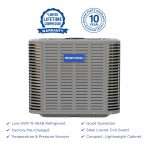
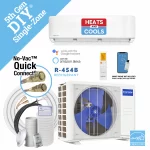
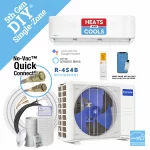
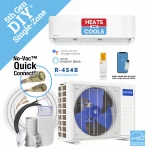
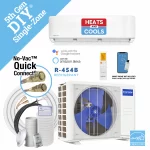
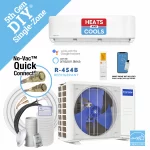

Buying a new HVAC system feels a lot better when you know what happens after the sale. That is why a homeowner guide to MRCOOL warranties matters. Warranty coverage can protect your investment, but only if you understand what is covered, what is not, and what steps you need to take early on.
For many South Texas homeowners, the warranty question comes up right alongside sizing, efficiency, and installation cost. That makes sense. A system may look like a bargain upfront, but the real value shows up over time when parts, labor, registration, and service support are handled the right way. MRCOOL has built a strong following because it offers factory-backed warranties across several product lines, including DIY mini-splits and professionally installed systems. Still, coverage is not one-size-fits-all.
A homeowner guide to MRCOOL warranties starts with the product line
The first thing to understand is that MRCOOL warranty terms can vary by system type. A DIY mini-split may not follow the exact same rules as a Universal Series heat pump or a central ducted setup. That matters because homeowners often assume the brand name alone determines coverage. In reality, the unit category, the installation method, and the registration process can all affect how warranty protection applies.
If you are comparing options for a garage, room addition, whole-home replacement, or multi-zone setup, do not treat every warranty as identical. Ask for the warranty details tied to that specific model. This is especially important if you are deciding between a self-installed DIY system and a professionally installed unit. Both can offer strong value, but the service path and claim process may look different.
What MRCOOL warranties usually cover
In most cases, MRCOOL warranties are focused on manufacturer defects in covered parts. That generally means if a component fails because of a defect in materials or workmanship during the warranty period, the manufacturer may provide a replacement part under the terms of the warranty.
What many homeowners miss is the difference between parts coverage and everything else. A warranty does not automatically mean free diagnosis, free labor, free refrigerant, or free emergency service. In some situations, the failed part may be covered while the work required to confirm the issue, remove the bad part, install the replacement, and test the system is not. That distinction matters a lot when you are budgeting for long-term ownership.
This is one reason authorized dealer guidance matters. Honest warranty expectations are better than surprises. If a contractor talks about “a 10-year warranty” without explaining what that actually includes, you are not getting the full picture.
Parts coverage is not the same as labor coverage
Many homeowners use the word warranty as if it covers the entire repair event. Usually, it does not. Manufacturer warranties are commonly limited to parts, while labor coverage may depend on the installer, dealer, or a separate agreement.
That does not make the warranty weak. It just means you need to know where factory coverage ends and service support begins. For a homeowner in Corpus Christi, where HVAC systems work hard for much of the year, that distinction can affect your total ownership cost more than the brochure headline.
Registration can make or break warranty value
One of the most important points in any homeowner guide to MRCOOL warranties is registration. Some warranty terms depend on timely product registration after installation or purchase. If registration is required and it does not happen correctly, you may end up with shorter coverage than you expected.
This is where small paperwork mistakes become expensive. A missed deadline, incorrect serial number, or incomplete purchase record can complicate a claim later. Homeowners should keep copies of invoices, model numbers, serial numbers, installation dates, and any registration confirmation they receive.
If your system is professionally installed, ask who is handling registration and ask for proof once it is completed. If you install a DIY system yourself, the responsibility usually falls on you. Either way, do not assume it happened unless you can verify it.
Installation quality still matters, even with a factory-backed warranty
A warranty protects against certain equipment defects. It does not erase the effects of poor installation, incorrect sizing, airflow problems, power issues, or preventable maintenance neglect. In plain terms, a good warranty cannot turn a bad install into a good long-term outcome.
That is especially relevant for central systems, heat pumps, and multi-zone equipment where sizing and setup play a major role in performance. If a unit short cycles because it was oversized, or struggles because the ductwork is wrong, that is not the same as a defective part. The same idea applies to condensate drainage, line set routing, electrical setup, and startup procedures.
DIY systems add another layer. MRCOOL DIY products are designed to make installation more accessible, but homeowners still need to follow instructions carefully. If the unit is damaged during installation, wired incorrectly, or placed in a poor location, warranty support may not solve the underlying issue.
Common situations that may not be covered
Homeowners are often most frustrated by warranties when they assumed broad protection. The better approach is to expect limits from the start. Coverage often does not include damage from improper installation, misuse, poor maintenance, power surges, flooding, corrosion from environmental conditions, or cosmetic issues that do not affect operation.
Coastal conditions also deserve attention in South Texas. Salt air, humidity, and weather exposure can be hard on outdoor equipment. That does not mean coverage disappears near the coast, but it does mean placement, maintenance, and model selection deserve extra care. If your home is close to the water, ask how local conditions may affect equipment life and what maintenance steps are worth taking to protect it.
Maintenance is part of protecting your claim
Routine maintenance is not just about efficiency. It can also matter if a warranty question comes up later. Dirty coils, blocked drains, neglected filters, or obvious lack of upkeep can make any service situation harder.
Keep your records. If you have annual service or seasonal checkups, save those invoices. If you handle basic filter changes yourself, note the dates. You do not need a filing cabinet full of paperwork, but a simple digital folder can save time if a claim ever comes up.
Why local support matters as much as the warranty itself
A factory-backed warranty is valuable, but it is only part of the ownership experience. When a system has an issue in the middle of a South Texas heat stretch, homeowners do not just need a policy document. They need real help identifying the problem, confirming whether the issue is warrantable, ordering parts if needed, and getting the system back online.
This is where local support changes the experience. Buying from a source that understands MRCOOL equipment, knows the product line, and can help with service questions reduces a lot of uncertainty. It is even more important for homeowners with DIY systems, since many contractors simply do not want to work on equipment they did not sell or install.
That gap is where Your Bargain Mart stands out. As a local authorized MRCOOL dealer serving Corpus Christi and the surrounding area, the value is not just the box arriving at your house. It is the combination of genuine equipment, honest pricing, warranty clarity, and access to service support when questions come up.
Questions to ask before you buy
Before committing to any MRCOOL system, ask a few direct questions. What is the exact warranty for this model? Does registration change the term? Is labor included anywhere, or is it parts-only coverage from the manufacturer? If this is a DIY unit, who can service it locally if something goes wrong? If this is a professionally installed system, who handles warranty registration and future repairs?
Those questions are not overkill. They are how smart homeowners avoid frustration later. A lower price can still be a good deal, but only if you understand the support that comes with it.
The best warranty strategy is simple
Choose the right system for the space, make sure it is installed correctly, register it on time, keep your documents, and stay on top of basic maintenance. That is the practical side of protecting your MRCOOL warranty.
The bigger picture is peace of mind. A warranty works best when it is backed by product knowledge and local accountability, not guesswork. If you are buying for a home, shop, garage, or ductless upgrade in South Texas, the smartest move is not just finding equipment with good published coverage. It is making sure there is real support behind it when the weather turns hot and the system has to earn its keep.