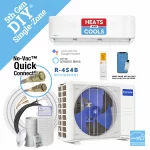
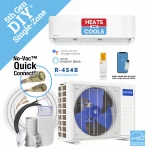
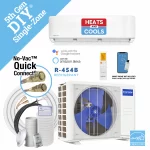
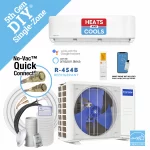

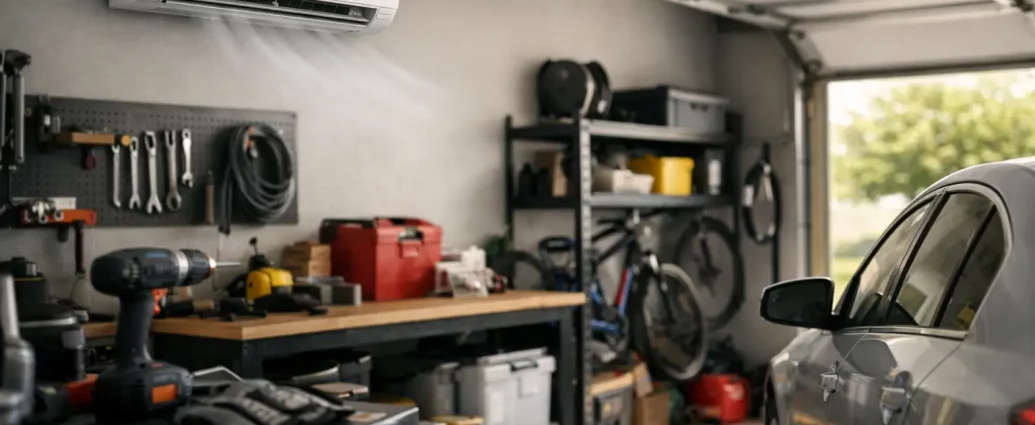
A garage in South Texas can turn into an oven by midafternoon, and that changes how you use the space. If you park vehicles, store tools, work on projects, or use part of the garage as a gym or hobby room, the best mini split for garage comfort is usually the one that is sized correctly, built for real heat, and backed by local support when something needs attention.
For most homeowners, a mini split is the right answer because it cools efficiently without extending existing ductwork into a space that was never designed for it. It also gives you more control than a window unit and a cleaner installation than portable equipment. But not every system fits every garage, and this is where many buyers get steered wrong.
How to choose the best mini split for garage use
The first thing to know is that garage square footage only tells part of the story. A 400 square foot garage with insulated walls, a shaded west side, and limited door use will behave very differently than a 400 square foot garage with no insulation, direct sun, and frequent vehicle traffic. If you buy strictly by square footage, you can end up with a system that short cycles, struggles, or costs more to run than it should.
In most cases, a one-car garage may fall into the 9,000 to 12,000 BTU range, while many two-car garages land around 12,000 to 18,000 BTUs. Larger workshops or garages with poor insulation may need 24,000 BTUs or more. That said, those are rough ranges, not a substitute for proper sizing. Ceiling height, garage door construction, window exposure, and whether you want cooling only or year-round heating all matter.
That is why homeowners often get better results when they talk through the space with someone who understands both equipment and local climate. Corpus Christi heat, humidity, salt air, and long cooling seasons are not the same as what works in a mild inland market.
What actually makes a mini split good for a garage
A garage mini split needs more than a good SEER rating on paper. Efficiency matters, but durability, installation quality, and real-world performance matter just as much.
A strong garage system should have inverter technology so it can ramp up and down instead of blasting on and off. That helps with temperature control and lowers wasted energy. It should also offer dependable low-ambient heating if you want winter use, although South Texas homeowners are usually shopping with cooling performance first in mind.
You also want a unit that can handle variable demand. Garages do not stay stable the way bedrooms do. One hour the door is closed and the room is idle. The next hour the door is open, a vehicle comes in hot, and someone starts using power tools. A mini split with steady modulation handles those swings better than a bargain unit that only looks good because of a low upfront price.
Noise matters too. If the garage shares a wall with living space, a quieter indoor unit makes a difference. The same goes for smart controls. Being able to start cooling before you head out to work in the garage is a practical feature, not a gimmick.
Best mini split for garage buyers who want value
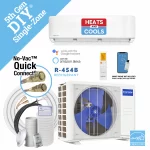
For many homeowners, the best fit is a quality single-zone system from a brand with established support and available parts. That is one reason MRCOOL systems get so much attention. They offer strong efficiency, a broad range of sizes, and options for both professional installation and DIY-friendly setups.
If your garage is a straightforward one-room application, a single-zone wall-mounted system is usually the most practical choice. It keeps the install simpler and the cost lower than trying to force a multi-zone setup where it is not needed. If the garage includes a separate workshop room or converted office corner, then a multi-zone configuration may be worth discussing.
For homeowners who want the easiest path, a professionally installed mini split often makes the most sense. You get licensed workmanship, proper line set routing, tested performance, and cleaner finish work. If you are comfortable tackling your own install, certain DIY mini splits can be a solid option, but support after the sale still matters. Many contractors do not want to touch DIY systems once they are in place, which can become a real problem later.
That is where an authorized local dealer has an advantage. You are not just buying a box. You are buying guidance on size, equipment selection, and service continuity if the system needs maintenance or repair.
Garage mini split sizing mistakes to avoid
The most common mistake is oversizing. Homeowners often assume bigger is safer because garages get hot fast. The trouble is that an oversized system may cool the space too quickly without running long enough to manage humidity well. That can leave the room feeling clammy even when the thermostat says it is cool.
Undersizing causes the opposite problem. The unit runs hard for long stretches, struggles on peak summer afternoons, and may wear faster because it never gets ahead of the load. A garage with poor insulation, attic heat above, and direct afternoon sun can overwhelm a unit that looked adequate on an online chart.
Placement is another issue. The indoor head needs enough clearance and a position that allows air to move across the room. Mount it where it blows into an obstruction or directly above a high-heat work area, and comfort can suffer. Outdoor unit placement matters too, especially in coastal areas where exposure and drainage need careful consideration.
Should you choose DIY or professional installation?
It depends on your comfort level, the layout of the garage, and how much long-term support matters to you.
DIY mini splits appeal to budget-conscious buyers because they can reduce installation cost and speed up the project. For a basic garage application with good access, they can work well when installed carefully and according to manufacturer’s requirements. But even a DIY-friendly system still needs proper electrical service, correct mounting, good condensate management, and attention to local code.
Professional installation costs more upfront, but it usually reduces risk. You have a licensed team handling the line set routing, electrical coordination, startup, and system testing. That matters if your garage has a tricky wall penetration, long run, limited exterior clearance, or if you simply want confidence that the system is set up right from day one.
For many South Texas homeowners, the best value is not the cheapest installation. It is the setup that avoids callbacks, poor performance, and warranty headaches.
Features worth paying for in a garage mini split
Some upgrades are worth the money, and some are easy to skip. Variable-speed operation is worth it. Good dehumidification is worth it. Reliable heating capability is worth it if you use the garage in colder months.
Premium filtration can help if the garage doubles as a gym or hobby space, but it should not distract from the bigger priorities of capacity and installation quality. Wi-Fi control is useful if you want to cool the space before use. High-end cosmetic finishes, on the other hand, usually matter less in a working garage than they would in a living room.
Corrosion resistance can also be a smart consideration near the coast. Salt air is hard on outdoor equipment over time, so the right product and proper installation approach can protect your investment.
Why local support matters more than most buyers expect
The garage mini split market is full of online deals, but support is where the difference shows up later. If a unit arrives damaged, needs a part, throws an error code, or underperforms because it was mismatched to the space, low price stops feeling like a win.
A local authorized dealer can help you sort out sizing before you buy, explain the trade-offs between DIY and pro-grade systems, and point you toward equipment that fits your actual use. That is especially valuable if the garage is more than just vehicle storage. A workshop, home gym, game room, or part-time office puts very different demands on the system.
For homeowners in Corpus Christi and nearby areas, having real South Texas support means you are not guessing about what works in coastal heat and humidity. It also means there is a service path after the sale. Your Bargain Mart stands out here because it supports both professionally installed and DIY-friendly MRCOOL systems, which is not something every HVAC seller is willing to do.
The best mini split for garage comfort is rarely the one with the flashiest ad or the lowest sticker price. It is the one that matches the space, handles the climate, and comes with honest guidance before and after the purchase. If you get those three things right, your garage stops being the room you avoid and starts being useful year-round.