
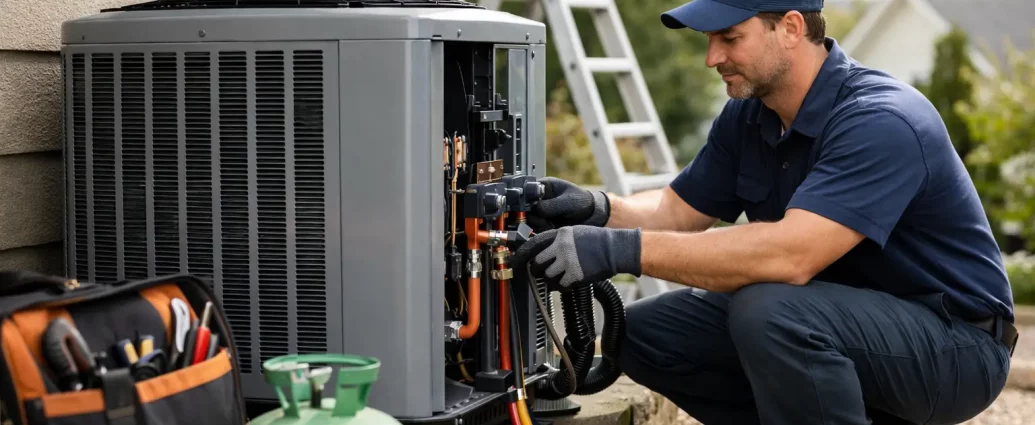
When an HVAC install goes wrong in South Texas, you usually feel it fast – uneven cooling, high electric bills, humidity that never quite leaves, or a system that starts having problems long before it should. A licensed HVAC installation guide matters because the equipment is only part of the job. The way it is sized, installed, charged, tested, and supported after startup has a direct effect on comfort, efficiency, and warranty protection.
- What a licensed HVAC installation guide should help you verify
- Why licensing changes the outcome
- Sizing comes before brand and model
- Central systems, heat pumps, and mini-splits each have a place
- What happens during a proper installation
- Permits, code, and warranty protection
- The DIY question and where licensed help still matters
- Questions worth asking before you approve the job
- Choosing a local installer in South Texas
For homeowners in Corpus Christi and surrounding areas, that matters even more. Our climate puts real stress on air conditioners and heat pumps. Long cooling seasons, salt air near the coast, and high humidity can expose shortcuts that might go unnoticed somewhere milder. If you are shopping for a new system, replacing an older unit, or considering a ductless upgrade for a garage, addition, or shop, it helps to know what licensed installation actually includes and where the real value is.
What a licensed HVAC installation guide should help you verify
A good licensed HVAC installation guide is not just about checking whether a contractor has a license number. It should help you understand what licensed workmanship looks like in practice. That includes load calculations, equipment matching, refrigerant handling, electrical work, drainage, airflow setup, code compliance, and startup testing.
That may sound technical, but the homeowner takeaway is simple. A licensed installer should be able to explain why a certain tonnage was recommended, how the system will perform in your home, what needs to be done to the ductwork or line set, and what kind of follow-up support is available if something is not right.
The cheapest quote often leaves out details that become your problem later. Sometimes that means an oversized system that cools fast but does not control humidity well. Other times it means mismatched components, poor drainage, weak airflow, or skipped commissioning steps that shorten equipment life.
Why licensing changes the outcome
Licensing is not a marketing label. It is one of the clearest signs that the installation is being handled with the required technical and legal standards. HVAC work involves electrical connections, refrigerant, condensate management, system design, and local code requirements. If any of those are handled poorly, the result can be more than inconvenience. You can end up with safety issues, failed inspections, water damage, avoidable repairs, or warranty disputes.
There is also the issue of accountability. When you buy from a business that combines product guidance with licensed installation and local service, you know who to call if the system needs adjustment. That is very different from buying equipment from a distant seller and then trying to find someone willing to work on it after the fact.
For many South Texas homeowners, support after the install is where the real peace of mind comes from. Installation day matters, but so does having a local team that can service the unit later.
Sizing comes before brand and model
Before comparing features, efficiency ratings, or system types, start with sizing. An HVAC system should be selected based on the home itself, not just the size of the old unit. Square footage matters, but it is not enough on its own. Ceiling height, insulation levels, sun exposure, window count, duct condition, and room layout all affect the load.
This is where homeowners often get conflicting advice. One company may recommend a larger unit “just to be safe,” while another suggests a smaller high-efficiency option with better runtime and humidity control. Bigger is not always better. In coastal and humid areas, an oversized system can cool the space too quickly and shut off before removing enough moisture from the air.
A licensed installer should be able to walk you through the recommendation in plain language. If they cannot explain why the system is the right fit, that is a problem.
Central systems, heat pumps, and mini-splits each have a place
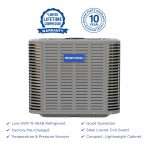
Not every home needs the same solution. A central air system may be the best fit if your ductwork is in good shape and you want whole-home comfort through a familiar setup. A heat pump can make a lot of sense in South Texas because our winters are generally mild, and modern systems can handle both heating and cooling efficiently.
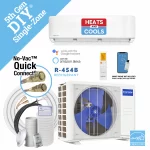
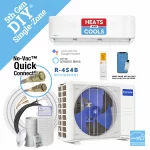
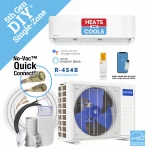
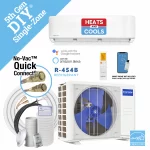
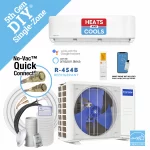
Mini-splits are often the practical answer for room additions, garages, workshops, detached spaces, or areas that never seem comfortable with the main system. They also work well when installing or replacing ductwork, which would add too much cost. The trade-off is that appearance, zoning layout, and equipment placement matter more. A well-planned ductless system can perform extremely well, but poor placement of indoor or outdoor units can limit the benefit.
That is why product selection and licensed installation should work together. The right equipment on paper still needs proper setup in the real space.
What happens during a proper installation
Homeowners do not need every technical detail, but you should know the major parts of the process. First comes confirming the equipment match and installation plan. Then the existing system, if there is one, is removed and disposed of correctly. The installer evaluates the pad, mounting, electrical service, disconnect, line set, condensate drain, and duct or air handler connections.
After the new equipment is set, the system should be connected, pressure tested where appropriate, evacuated properly, charged according to manufacturer specifications, and started up with performance checks. Airflow and thermostat operation should also be verified. On a ducted system, the installer should pay attention to duct integrity and return air setup, because even good equipment cannot overcome bad airflow.
This is where licensed work earns its value. A clean-looking install is good, but appearance alone does not tell you whether vacuum levels were correct, refrigerant charge was confirmed, or airflow was adjusted. Those are the steps that affect long-term performance.
Permits, code, and warranty protection
Many homeowners are understandably focused on price, but permits and code compliance should not be treated as optional details. Depending on the job and location, a permit may be required. Even when homeowners are tempted to avoid that step, skipping it can create issues later during inspections, insurance claims, home sales, or warranty questions.
Warranty protection also deserves a close look. Factory-backed warranties are valuable, but they usually depend on proper equipment registration, approved applications, and correct installation practices. If the system is installed incorrectly or paired with the wrong components, you may not get the protection you expect.
This is one reason authorized dealer support matters. When the seller understands the equipment and the installation requirements, there is less guesswork and less chance of an expensive mismatch.
The DIY question and where licensed help still matters
Some homeowners are interested in DIY-friendly equipment, especially for smaller spaces or budget-conscious upgrades. That can be a smart option in the right situation, but it does not remove the need for planning and support. You still need proper sizing, correct placement, and someone local who can help if service is needed later.
Not every contractor wants to touch DIY systems after installation, which leaves some homeowners stuck when they need maintenance or diagnosis. That is where a service-oriented local dealer stands apart. If you want to buy equipment with confidence, it helps to know there is real support available after the sale, whether the system is professionally installed from day one or owner-installed within product guidelines.
Questions worth asking before you approve the job
You do not need to interrogate anyone, but a few direct questions can save a lot of trouble. Ask how the system size was determined, whether the quoted equipment is a matched setup, what warranty coverage applies, who handles installation, whether permits are included if needed, and what support looks like after startup.
You should also ask about timelines, what is included in the quote, and whether any existing duct, drain, or electrical issues could change the final scope. Honest pricing does not always mean the lowest price. It means you know what you are paying for and why.
Choosing a local installer in South Texas
Why Local Experience Matters in the Coastal Bend
Local knowledge matters more than most homeowners realize. Coastal humidity, long cooling seasons, and the common home layouts in Corpus Christi and the surrounding South Texas communities all influence which HVAC systems perform well—and which ones tend to fail early. A company that works in this climate every day understands those patterns. That experience shows up in better recommendations, cleaner installations, and fewer surprises down the road.
That kind of accountability is hard to replace. When the same local team helps you choose the right equipment, provides licensed installation, and stands behind the work afterward, the entire process becomes clearer and far less risky. Your Bargain Mart and Precision Air operate as one coordinated system for that exact reason. Homeowners don’t just need a product in a box—they need honest pricing, factory‑backed equipment, and fast local service when the weather isn’t willing to wait.
A proper HVAC installation should leave you with confidence, not questions. If you’re selecting a new system, look for licensed workmanship, straight answers, and support that continues long after the install truck pulls away. That’s the standard Your Bargain Mart and Precision Air deliver every day in the Coastal Bend.
📞 Local, Licensed, and Ready When You Need UsNeed a Licensed HVAC Install in the Coastal Bend?
Precision Air provides fast, code‑correct installation backed by Your Bargain Mart’s honest pricing and factory‑authorized equipment. One local team. One clear process. No surprises.
Serving Corpus Christi, Portland, Robstown, Aransas Pass, Ingleside, Sinton, Kingsville, Alice, and surrounding South Texas communities.
Call Precision Air • (361) 800-2465Central Air Replacement Cost Explained
Guide to HVAC Equipment Financing
Further reading: Licensed hvac installation guide on forbes.com.
In short, licensed hvac installation guide rewards a careful, informed approach. Use this licensed hvac installation guide guide as a starting framework, adapt it to your situation, and re-check the facts whenever the topic moves.