





If your old AC is struggling through another Corpus Christi summer, the question usually comes down to heat pump vs central air. Both can cool your home well, but they do not solve the same problem in the same way. The right choice depends on how you heat now, how efficient you want the system to be, and whether you want one piece of equipment handling more of your comfort year-round.
For many South Texas homeowners, this is not a theory question. It affects monthly utility bills, installation cost, long-term repairs, and how comfortable the house feels when temperatures swing from hot and humid to chilly and damp. A lot of buyers start by asking which option is cheaper, but the better question is which system fits the home and the way you actually use it.
Heat pump vs central air: the basic difference
A central air conditioner cools your home and nothing more. It works with your indoor coil and air handler or furnace to remove heat from the house during hot weather. When winter arrives, the AC steps aside and your heating system takes over.
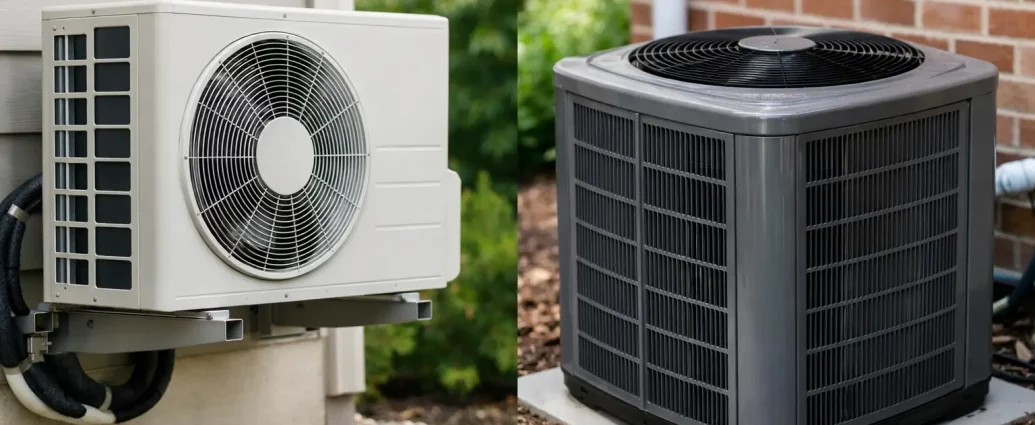
A heat pump also cools your home, but it can reverse operation and provide heat in cooler weather. Instead of creating heat the way a furnace does, it moves heat from outdoor air into the home. In a climate like South Texas, where winters are usually mild, that can be a very practical and efficient setup.
That basic difference matters because a central air system is only half of the comfort equation. A heat pump can be both the cooling and heating source, depending on the configuration.
Why climate matters more than marketing
In Corpus Christi and surrounding areas, cooling performance is the top priority for most homeowners. Long summers, humidity, salt air near the coast, and heavy system use put real stress on HVAC equipment. That is why the heat pump vs central air decision should be based on local conditions, not national advice meant for very cold climates.
A heat pump tends to make a lot of sense here because our winters are not severe for long stretches. It can handle a large share of heating demand efficiently without the homeowner relying as much on electric resistance heat or a gas furnace. If you are replacing an older system and want better year-round efficiency, a heat pump often deserves a serious look.
That said, central air is still a solid choice in South Texas. If your home already has a furnace in good shape, replacing only the cooling side with a matched central AC system can be the more cost-effective move. Not every home needs a full change in equipment strategy.
Cooling performance: usually closer than people think
A lot of homeowners assume a standard central air conditioner cools better than a heat pump. In practice, modern heat pumps and modern central AC systems can deliver very similar cooling performance when they are correctly sized and properly installed.
The real issues are airflow, duct design, humidity control, thermostat setup, and whether the equipment is matched to the house. A poorly sized high-efficiency system will disappoint you no matter which label is on it. A properly matched system with quality installation will almost always outperform a better-known name that was rushed into place.
That is one reason local sizing support matters. Square footage alone does not tell the whole story. Ceiling height, insulation, window exposure, duct condition, and room layout all affect the result.
Heating costs and efficiency
This is where the comparison starts to separate.
With central air, you still need another heating source. That may be a gas furnace, electric furnace, or electric heat strips. If your current furnace is old or inefficient, sticking with central air may keep you tied to a heating setup that costs more to run than necessary.
With a heat pump, the same outdoor unit can cool in summer and heat in winter. Because it transfers heat instead of generating it directly, it can be very efficient in mild climates. For many South Texas homes, that translates to lower heating bills compared with straight electric heat.
If you already have dependable natural gas heat and your winter heating costs are reasonable, central air may still pencil out well. But if you are all-electric or planning a broader system upgrade, a heat pump often gives you more value over time.
Installation cost: upfront price is only part of it
On the front end, a central air system can sometimes cost less than a heat pump, especially if the existing furnace is staying in place and still has useful life left. In that case, you are replacing the cooling equipment without reworking the heating side too much.
A heat pump may carry a higher initial equipment or installation cost depending on the system design. But it can also reduce the need for separate heating equipment or lower your operating costs enough to make up the difference over time.
This is where honest pricing matters. The lowest quote is not always the best deal if it leaves you with mismatched equipment, weak warranty support, or an installer who disappears when service is needed. HVAC is not a one-day purchase. It is a system you will depend on for years.
Heat pump vs central air for existing homes
If you already have ductwork, both systems can be a good fit. The better choice often comes down to what is happening indoors now.
If the home has a furnace and the furnace is in good condition, central air replacement can be the simpler path. If the home uses electric heat and you want better efficiency, a heat pump becomes much more attractive. If both the indoor and outdoor equipment are aging out together, that is usually the best time to compare full-system options instead of replacing one piece at a time.
For homes with comfort issues in specific rooms, additions, garages, or workshops, this comparison may not fully solve the problem. In those cases, a ductless or multi-zone solution may be a better fit than forcing either a traditional central AC or a ducted heat pump to cover spaces that were never designed well for the original system.
Repairs, maintenance, and long-term support
Both systems need regular service. Coils get dirty, capacitors fail, drain lines clog, and coastal conditions can be hard on outdoor equipment. The difference is not that one system avoids maintenance. The difference is how much complexity your home setup adds and whether you have local support when something goes wrong.
A heat pump runs year-round for both heating and cooling, so it may log more total operating hours than a straight central AC unit. That does not mean it is a bad choice. It means routine maintenance becomes even more important.
What homeowners should really watch for is support after the sale. Factory-backed warranties, genuine equipment, and access to licensed installation and service matter just as much as brand name or efficiency rating. If you are buying equipment for long-term savings, you need a clear path for parts, repairs, and setup help later.
Which system is better for South Texas homeowners?
There is no one-size-fits-all answer, but there is a practical one.
A heat pump is often the better fit if you want year-round efficiency, your home is all-electric, your current heating costs are high, or you are replacing an aging system as a complete package. In mild winter conditions, the efficiency advantage can be real.
Central air is often the better fit if you already have a good furnace, want a simpler cooling replacement, or need to control upfront cost while keeping the existing heating setup in service.
For homeowners who want trusted guidance instead of guesswork, this is where a local authorized dealer can save time and money. Your Bargain Mart helps South Texas customers compare real equipment options, including MRCOOL systems, with honest pricing and local support that continues after installation.
The smartest way to decide
Before choosing between a heat pump vs central air, look at the whole system, not just the outdoor unit. Ask how you heat today, what your utility bills look like across the year, whether your ductwork is in good condition, and how long you plan to stay in the home.
If your goal is the cheapest short-term replacement, central air may win. If your goal is better year-round efficiency and a more complete upgrade, a heat pump may be the stronger investment. The right answer is the one that fits your house, your budget, and your long-term comfort needs without overspending on features you will never use.
Good HVAC decisions are rarely about chasing the flashiest option. They are about choosing equipment that will hold up in South Texas, run efficiently, and come with real support when you need it most.