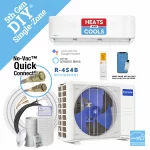
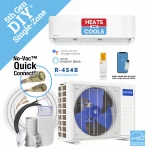
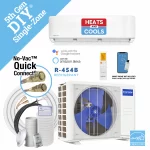
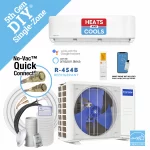
A lot of homeowners like the idea of a DIY mini-split right up until something goes wrong. The unit cools great for months, then starts flashing an error code, short cycling, or struggling in South Texas heat. That is where a real diy system service support example matters – not just the sale, but what happens after installation when you need answers, parts, or local service.
For many buyers, the biggest concern is not whether they can mount an air handler or run line sets. It is whether anyone will help if the system needs attention later. That concern is valid. Plenty of HVAC companies are happy to install traditional systems but want no part of servicing equipment a homeowner installed themselves. If you are shopping for a MRCOOL DIY system, support should be part of the buying decision from day one.
What a DIY system service support example should include
A useful diy system service support example is not a vague promise that someone might help later. It should show a clear chain of support before, during, and after the purchase. For a homeowner in Corpus Christi or the surrounding South Texas area, that means practical help with product selection, system sizing, warranty questions, troubleshooting, and repair options when needed.
Before the sale, support starts with making sure the system fits the space. A garage conversion, bonus room, workshop, or small home addition may all need different capacity based on insulation, windows, sun exposure, and ceiling height. Oversizing can lead to short cycling and humidity issues. Undersizing can leave you with a system that runs constantly and still does not keep up in August.
During installation, support should mean getting the right accessories and setup guidance so the job is done correctly. Even with DIY-friendly equipment, details matter. Mounting location, condensate drainage, electrical requirements, and line routing can affect long-term performance.
After installation, the support picture becomes even more important. A solid service model includes help interpreting symptoms, checking likely causes, identifying whether the issue is maintenance-related or mechanical, and arranging repair when the fix goes beyond basic homeowner steps.
Why support for DIY HVAC systems is different
DIY systems are designed to reduce installation complexity, but they do not eliminate the need for service. Like any HVAC equipment, they still have electrical components, control boards, sensors, blower motors, and outdoor units exposed to weather. In a coastal climate like Corpus Christi, salt air, humidity, and heavy cooling demand can add wear over time.
That is why support for a DIY unit should never be confused with a no-service product. The system may be easier to install, but ownership still benefits from expert backing. When a drain issue develops, a communication fault appears, or cooling output drops, it helps to work with a dealer who understands the equipment and is willing to stand behind the customer experience.
There is also a difference between selling a box and supporting a system. A box can arrive at your door. Real support means someone can help you confirm compatibility, explain options, and point you toward the next step when performance is not what it should be.
A practical DIY system service support example
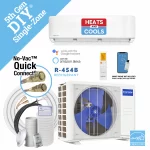
Here is a realistic diy system service support example for a South Texas homeowner. Say you buy a MRCOOL DIY mini-split for a detached garage in Corpus Christi. The installation goes well, and the system runs properly for the first season. A year later, you notice the room feels warmer than usual in late afternoon, and the indoor head begins showing an error code.
In a weak support model, you are left sorting through manuals, trying to determine whether the issue is airflow, refrigerant-related, electrical, or a failed component. You may call local contractors only to hear that they do not service homeowner-installed systems.
In a stronger support model, the process looks different. You contact a knowledgeable local source that already knows the product line. They help narrow down the issue based on symptoms, installation details, and unit history. If the problem is simple, such as a maintenance issue or blocked airflow, you get straightforward guidance. If the problem needs hands-on service, there is a path to licensed repair instead of a dead end.
That kind of support reduces risk for the buyer. It also protects the value of the equipment. A good system should not become disposable just because it was marketed as DIY.
What homeowners should ask before buying
If you are considering a DIY mini-split or heat pump, ask a few direct questions before you commit. First, who helps with sizing? That answer tells you whether the seller is focused on getting the right fit or just moving inventory.
Second, ask what happens if the system has a performance issue after installation. You want specifics, not general statements. Can someone help troubleshoot? Is there local repair support? Are replacement parts and warranty guidance available?
Third, ask whether the company supports the exact product line you are buying. That matters because general HVAC experience is useful, but product familiarity saves time when diagnosing common issues and service needs.
Finally, ask whether the company also supports professionally installed equipment. A dealer with experience on both sides usually has a more complete view of system design, installation quality, and real-world service patterns.
The trade-off with DIY systems
DIY systems offer real value. They can reduce upfront installation costs, speed up room-specific comfort upgrades, and work well for spaces where extending ductwork makes little sense. For many homeowners, that is a smart move.
Still, there is a trade-off. You save money on installation, but the quality of your buying experience depends more heavily on the support behind the product. If the seller cannot help with sizing, post-purchase questions, or future service, the savings can disappear fast when problems show up.
That does not mean DIY is the wrong choice. It means the smartest DIY purchase is the one backed by local accountability. In South Texas, where cooling performance is not optional for much of the year, support is part of the product whether it is listed on the box or not.
DIY system service support example for MRCOOL owners
For MRCOOL owners, the best diy system service support example includes more than product availability. It includes authorized dealer credibility, guidance on selecting the right series for the application, and local support that continues after the system is on the wall.
That is especially relevant for homeowners comparing online-only purchases with local dealer-backed options. Online listings may look cheaper at first glance, but they often leave out the practical side of ownership. If the model is wrong for the room, if the warranty process becomes confusing, or if the system needs service down the road, a low advertised price stops looking like a bargain.
A local dealer that supports MRCOOL DIY equipment can help bridge that gap. The homeowner still gets the convenience and affordability that make DIY systems attractive, but with a clearer path for troubleshooting, repair coordination, and product-specific support. That is a much more dependable setup than buying from a seller whose role ends at checkout.
Why local service changes the equation
Local service matters because HVAC problems are rarely abstract. They happen during a hot week, in a bedroom that no longer cools, in a shop where tools and materials are affected by heat, or in a garage gym that becomes unusable. In those moments, homeowners do not want a call center script. They want answers from people who understand the climate, the product, and the urgency.
That is one reason Your Bargain Mart stands out for South Texas homeowners. Supporting MRCOOL systems, including DIY units many contractors avoid, gives customers a more complete ownership path. You can buy with more confidence when you know honest pricing and factory-backed warranties are paired with real local service options.
Not every issue will require a technician, and not every homeowner needs the same level of support. Some buyers are comfortable handling filters, basic checks, and routine maintenance. Others want more guidance from the start. A good service model makes room for both.
If you are looking at a DIY mini-split, the right question is not just, Can I install it? The better question is, Who will still be there if I need help six months or three years from now? That answer usually tells you whether you are buying equipment or making a solid home comfort decision.