





Step into a South Texas garage in July and you can feel the problem immediately. The air is heavy, the concrete holds heat, and even a quick project turns miserable fast. When homeowners ask about the best cooling options for garages, the right answer usually depends on how you use the space, how often you are in it, and whether you want basic relief or true conditioned comfort.
That distinction matters. A garage used for parking and storage needs something very different from a garage that doubles as a gym, workshop, hobby room, or hangout space. Some cooling solutions are inexpensive and easy to set up, but they only move hot air around. Others cost more upfront, but they lower temperature, pull out humidity, and make the space usable for much longer stretches of the year.
What makes garage cooling tricky
Garages are harder to cool than most rooms in the house for a few simple reasons. They usually have poor insulation, large metal doors, minimal shade, and plenty of air leakage around the perimeter. In Corpus Christi and across South Texas, humidity makes that worse. Even when the temperature drops a little, sticky air can still leave the space uncomfortable.
You also have to think about what is inside the garage. If you are storing tools, paint, lawn equipment, or using power equipment, heat buildup can affect more than comfort. It can shorten the life of certain items and make the room less practical for work. If the garage is attached to the home, excess heat in that space can also put more strain on the main HVAC system.
Best cooling options for garages by use case
The best choice starts with one question: do you want air movement, lower temperature, or full climate control?
Fans for basic air movement
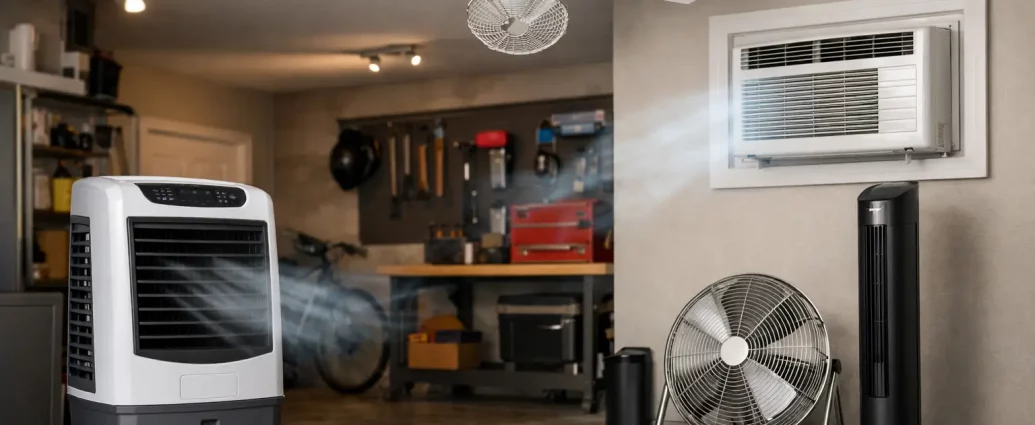
A fan is the lowest-cost option and sometimes the fastest way to get partial relief. Ceiling fans, wall-mounted fans, and high-velocity shop fans can help if your goal is to make the garage feel less stagnant while you are working in it.
The trade-off is simple. Fans do not actually cool the air. In a hot Texas garage, they mostly improve comfort by increasing evaporation on your skin. That can help for short periods, but if the garage is already extremely hot and humid, the benefit is limited.
Fans make the most sense when the garage is used occasionally, the budget is tight, or you want to support another cooling method. They are not a full answer for a garage gym, workshop, or regularly occupied space.
Portable air conditioners for occasional use
Portable AC units are common because they seem easy. Roll one in, vent it, and turn it on. For some homeowners, that setup is enough, especially in a one-car garage used only now and then.
Still, portable units have clear limits. They take up floor space, can be noisy, and often struggle in garages that are poorly sealed or exposed to full afternoon sun. Many also require a proper vent path, which is not always convenient in a garage layout. If you are trying to cool a larger garage or use the space daily, a portable unit usually feels like a temporary fix rather than a long-term solution.
Window air conditioners if the garage has the right opening
A window unit can cool better than many portable systems at a similar price point. If your garage has a suitable window and enough insulation to hold the cooled air, this can be a practical middle-ground option.
The downside is installation flexibility. Many garages do not have a window in the right location, and some homeowners do not want to block natural light or deal with the look from the outside. Window units can also fall short in larger garages or spaces with frequent door opening.
Evaporative coolers in the wrong climate
Some people ask about swamp coolers because they are inexpensive to operate. In dry climates, they can work well. In coastal South Texas, they are often the wrong fit.
Because evaporative coolers add moisture to the air, they are far less effective in humid conditions. In Corpus Christi, that means they may leave the garage feeling damp without delivering the cooling performance homeowners expect. For this region, there are usually better investments.
Through-the-wall units for fixed cooling
A through-the-wall AC can be a sturdier alternative to a window unit if the garage layout supports it. It offers a more permanent installation and frees up the window opening. For certain detached garages or converted workspaces, this can be a reasonable choice.
But like other room AC solutions, performance depends on insulation, garage size, and air leakage. If the garage is large or used for long periods, a through-the-wall unit may still struggle to maintain even comfort.
Mini-split systems for real garage comfort
If you want the garage to feel reliably cool instead of slightly less hot, a mini-split is often the best option. This is especially true for garages used as workshops, home gyms, hobby areas, or flex spaces where people spend real time.
A ductless mini-split cools the space efficiently, controls humidity better than fan-based options, and avoids the energy losses that come with extending ductwork into an area not originally designed for it. It is also quieter than many portable or window-style units and gives you much more precise control over temperature.
For South Texas homeowners, this matters. Heat is one issue, but humidity is the bigger comfort killer in many garages. A properly sized mini-split handles both. That is why, in most year-round use cases, it stands out among the best cooling options for garages.
Why mini-splits usually beat extending central air
Some homeowners assume the cheapest path is to tap into the home’s existing HVAC system. In practice, that can create more problems than it solves. Garages have very different load conditions from the rest of the house. They gain heat faster, lose conditioned air more easily, and often need cooling at different times and levels.
Extending central air without proper design can reduce efficiency, create uneven temperatures in the home, and increase wear on the main system. In many cases, a dedicated garage solution performs better and gives you more control. That is one reason ductless systems are so popular for garages, additions, and other hard-to-condition spaces.
Sizing matters more than most people expect
Buying too small is one of the most common mistakes in garage cooling. Homeowners sometimes choose equipment based only on square footage, but that is not enough. Ceiling height, insulation, sun exposure, garage door material, window area, and whether the garage is attached or detached all affect the cooling load.
A garage with an uninsulated metal door and west-facing exposure may need far more capacity than a shaded, insulated space of the same size. If you use tools, freezers, refrigerators, or workout equipment in the garage, those heat sources matter too.
This is where local guidance helps. A system that looks fine on paper can disappoint in real South Texas conditions if the sizing is off.
Insulation and air sealing can change the whole result
Even the best equipment works better when the garage can hold cooled air. If your garage is leaky and uninsulated, part of your budget should go toward improving the space itself.
The biggest opportunities are usually the garage door, wall insulation, attic insulation above the garage, and weatherstripping around doors and openings. You do not always need a full remodel, but reducing heat gain can dramatically improve comfort and lower operating costs. It also allows smaller systems to perform more effectively.
If you are deciding between a cheaper AC and a better building envelope, it is often smarter to improve both modestly rather than overspend on equipment alone.
What homeowners in South Texas usually need most
For occasional use, a strong fan or a small room AC might be enough. For regular use, especially in a garage gym or workshop, most homeowners are happier with a mini-split because it cools more consistently and deals with humidity better.
That does not mean every garage needs the most expensive setup. It means the right answer should match the way you actually use the space. Honest pricing matters here, but so does avoiding the false economy of buying something underpowered that you end up replacing later.
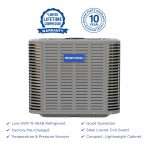
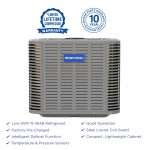
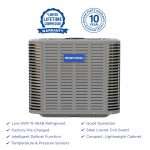
For homeowners who want dependable, energy-efficient garage comfort with local support, Your Bargain Mart helps match the right MRCOOL solution to the space and backs that with real South Texas service, including support for DIY systems that many companies will not touch.
How to choose the best cooling option without wasting money
Start with your goal. If you only need some airflow while parking the car or grabbing tools, keep it simple. If you want to work out there, build things, or spend time in the space for hours, aim for real cooling and humidity control.
Then look at the garage itself. A one-car garage with decent insulation has different needs than a two-car garage with a sun-baked door and no ceiling insulation. Finally, think long term. The cheapest unit in the store is not always the best value if it struggles every summer.
A garage does not have to stay miserable just because it was built without comfort in mind. The right setup can turn it into a space you actually use, not just tolerate. If you choose based on how the garage performs in real South Texas heat, you will make a much better investment.