
A summer electric bill in Corpus Christi can feel like a second mortgage payment if your AC is running hard and still not keeping up. If you are wondering how to lower cooling bills without giving up comfort, the answer is usually not one big fix. It is a combination of smarter settings, better airflow, reduced heat gain, and equipment that is actually sized and matched for your home.
That matters even more in South Texas, where cooling seasons run long and humidity adds extra strain. A home that stays comfortable in mild weather can turn expensive fast when temperatures stay high for weeks. The good news is that most homeowners have more control over cooling costs than they think.
How to lower cooling bills starts with your thermostat
Thermostat settings are the fastest place to save money, but the best setting depends on your household. If everyone is home all day, pushing the temperature too high can make the system work harder later just to catch up. If the house sits empty for hours, raising the setting a few degrees while you are away usually helps.
For many homes, a steady setting with small adjustments works better than constant changes. A programmable or smart thermostat can help you avoid cooling an empty house, especially during work hours. Even a two- to four-degree increase during unoccupied times can reduce runtime. The trade-off is simple: the higher the setting, the lower the bill, but comfort matters, and humidity can make a moderate temperature feel warmer than it should.
If your home already feels sticky at a normal thermostat setting, the issue may not be the number on the screen. It may be airflow, insulation, duct leakage, or an aging system struggling with humidity control.
Stop paying to cool the outdoors
A lot of high cooling bills come from conditioned air escaping through gaps, leaks, and poorly insulated areas. In older homes and room additions, this is especially common around doors, attic access points, duct connections, and windows that get heavy afternoon sun.
Weatherstripping and caulking are low-cost fixes that can make a real difference. So can adding attic insulation if levels are below current recommendations. In South Texas, your attic can trap extreme heat, and that heat pushes down into living spaces for hours after sunset.
Window coverings help more than many people expect. Blackout curtains, solar shades, and even keeping blinds closed on west-facing windows can reduce heat gain during peak afternoon hours. It will not solve a major equipment problem, but it can lower the amount of work your AC has to do every day.
If you have ducts in the attic, leaks can quietly waste a lot of money. Cooled air may be escaping before it ever reaches the rooms you are trying to cool. In that case, lowering the thermostat just increases the waste.
Airflow problems can drive bills up fast
Poor airflow makes an AC system run longer and cool less evenly. One of the easiest places to check is the air filter. A clogged filter restricts airflow, stresses the system, and can lead to frozen coils or poor humidity removal.
Homeowners often ask how often a filter should be changed, but there is no one schedule that fits every house. Homes with pets, dust, renovation work, or heavy AC use may need more frequent changes. A clean filter supports efficiency, but it is only one part of the picture.
Closed or blocked vents can also create trouble. If furniture is covering supply vents or certain rooms are shut off to force more air elsewhere, the system may lose balance. That can increase pressure in the ductwork and reduce overall performance. The same goes for dirty coils, blower issues, or an undersized return.
If some rooms stay warm while others get too cold, that is usually a sign the system needs more than a thermostat adjustment. It needs diagnosis.
Maintenance is cheaper than wasted runtime
Routine service is one of the most practical answers to how to lower cooling bills because neglected systems lose efficiency gradually. Many homeowners do not notice the decline until the bill spikes or the house stops cooling well.
A properly maintained system should have clean coils, correct refrigerant charge, solid electrical components, and proper airflow. When one of those is off, the unit can still run, but it runs longer and costs more. That is where professional maintenance pays for itself over time.
Outdoor units need attention too. If the condenser is packed with dirt, grass, or debris, heat transfer suffers. Keep the area around the unit clear and do not crowd it with storage, fencing, or overgrown plants. Good airflow around the outdoor unit supports efficiency in hot weather.
There is also a difference between a system that still turns on and a system that is operating well. A unit can be technically functional while quietly driving up your monthly bill.
Equipment size and type matter more than many people realize
A lot of homeowners assume high cooling bills mean they need a larger system. Sometimes the opposite is true. Oversized equipment can short cycle, cool unevenly, and do a poor job controlling humidity. Undersized equipment may run almost nonstop and still struggle during extreme heat.
The right answer starts with proper sizing, not guesswork. Square footage alone is not enough. Insulation levels, ceiling height, sun exposure, windows, duct layout, and room usage all matter. That is why system selection should be based on your actual home, not just what a neighbor installed.
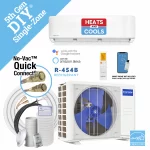
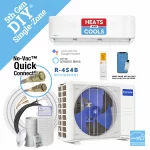
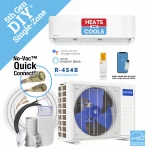
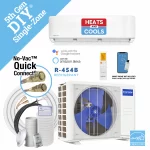
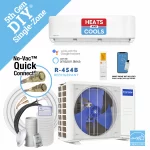
This is especially relevant for garages, additions, workshops, and rooms that never seem comfortable. In many cases, a ductless mini-split or multi-zone system can cool those spaces more efficiently than extending existing ductwork. For homeowners who want room-by-room control, that setup can cut waste because you only condition the areas you are using.
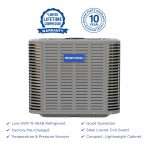
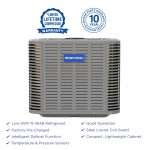
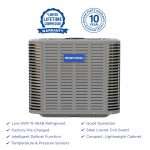
Heat pumps can also be a smart option for South Texas homes, where winter heating demand is lighter than in colder climates. Modern high-efficiency systems are designed to reduce energy use without sacrificing comfort, but only when they are installed and configured correctly.
How to lower cooling bills when your system is older
If your AC is 10 to 15 years old or more, rising bills may be a sign that repair alone is no longer the most cost-effective path. Older systems often have lower efficiency ratings, more wear on major components, and more difficulty keeping up with both heat and humidity.
That does not mean every older unit should be replaced immediately. Sometimes a repair and tune-up can still make sense, especially if the equipment is otherwise in good condition. But if you are paying for repeated service calls, uneven cooling, and monthly bills that keep climbing, it is worth comparing those costs to a high-efficiency replacement.
This is where honest sizing support and product guidance matter. A cheaper unit is not always cheaper once energy use, installation quality, warranty coverage, and future service are factored in. Homeowners in South Texas usually benefit most from equipment that is built for long cooling seasons and real-world humidity, not just a low upfront price.
DIY savings versus long-term value
Some homeowners want to reduce cooling costs by handling part of the project themselves, and that can make sense in the right situation. A DIY mini-split for a garage, detached room, or addition can be a practical way to avoid overworking your central system.
The key is knowing where DIY helps and where it creates risk. Improper sizing, bad placement, or skipping service support can wipe out expected savings. Equipment works best when the system matches the space and there is a reliable path for maintenance and repair later.
That is one reason local support matters. Your Bargain Mart works with homeowners who want efficient MRCOOL options backed by real product guidance, honest pricing, and service continuity in South Texas, including support for DIY systems that many contractors will not touch.
Small habits still add up
Daily habits will not overcome a failing system, but they do affect cooling costs. Running heat-producing appliances like ovens and dryers during the hottest part of the day can raise indoor temperatures. Ceiling fans can help rooms feel cooler, which may let you raise the thermostat slightly, though fans cool people, not empty rooms.
If you have a spare room, guest suite, or workspace that is rarely used, think about whether you are cooling it all day out of habit. Zoned systems and ductless options are especially useful for homes where occupancy changes throughout the day.
The main goal is not to chase every tiny trick. It is to reduce waste in the places where waste is actually happening.
Lower cooling bills usually come from a clear plan, not guesswork. If your home is hard to cool, start with the basics, but do not ignore the bigger picture. The right combination of maintenance, airflow, insulation, and properly matched equipment can bring costs down while making the house feel better every day.