
Corpus Christi heat does not leave much room for an HVAC installation that is merely “good enough.” When you are investing in a heat pump, central system, or ductless unit, finding a licensed HVAC installer for MRCOOL is about more than getting the equipment hung on a wall or set beside the house. It is about correct sizing, safe electrical and refrigerant work, dependable performance, and having someone local to call when your system needs attention.
MRCOOL offers real flexibility, from DIY ductless systems for homeowners who want a hands-on project to professional-grade equipment that should be installed by a qualified contractor. Knowing which path fits your system and your property can prevent expensive problems later.
Why licensed installation matters for MRCOOL systems
A properly installed HVAC system should cool evenly, manage humidity, operate efficiently, and last as intended. Equipment quality matters, but installation quality has just as much to do with the result. An oversized system may cycle on and off too quickly, while an undersized system can run constantly during a South Texas summer without keeping up.
A licensed HVAC contractor has the training and legal qualifications to handle work that affects refrigerant, electrical connections, condensate drainage, airflow, and system commissioning. That last step matters. Commissioning means verifying that the system is performing correctly after installation rather than assuming it will work because it powers on.
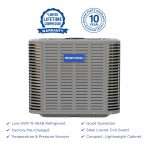
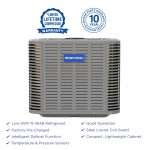
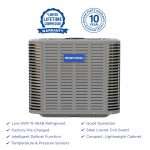
For MRCOOL Universal Series systems, central air equipment, air handlers, coils, furnaces, and professional mini-splits, professional installation is generally the practical choice. These systems can require refrigerant line work, pressure testing, evacuation, charging procedures, duct modifications, and careful setup of controls and drainage.
A homeowner may be tempted to choose the lowest installation quote available. That can be a costly shortcut. A quote should account for the full scope of work, including the pad or mounting location, electrical requirements, line-set routing, drain design, duct transitions where needed, startup, and cleanup. Honest pricing means knowing what is included before work begins.
MRCOOL DIY versus professional-grade equipment
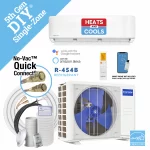
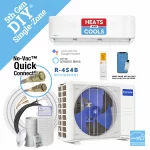
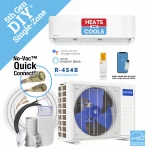
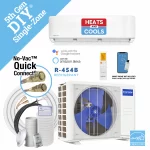
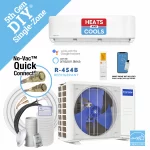
MRCOOL is well known for its DIY mini-split systems. Their pre-charged line sets make certain installations more approachable for homeowners, particularly for a garage, workshop, addition, or single room that needs independent comfort. That does not mean every homeowner should install one without help.
DIY equipment can be a good fit when the system is correctly sized, the mounting location is straightforward, electrical work is safely completed, and the homeowner is comfortable following the manufacturer’s instructions exactly. Local permitting and electrical requirements may still apply. A licensed electrician may be needed for the circuit, disconnect, or panel work even when the HVAC portion is a DIY project.
Professional-grade MRCOOL mini-splits and conventional split systems are different. They typically require refrigerant handling and startup procedures that belong in the hands of a licensed HVAC professional. The same is true when the project involves multiple zones, longer line runs, concealed line sets, complicated drainage, existing ductwork, or a full replacement of central heating and cooling equipment.
The right answer depends on the equipment and the job site. A simple one-room DIY installation is not the same project as replacing a whole-home system. A trusted dealer should explain that difference clearly instead of pushing every customer toward one option.
What a licensed HVAC installer for MRCOOL should evaluate
Before recommending a system, an installer should learn how you use the space. A bedroom addition, a metal shop, an older home with leaky ducts, and a newly built home can all need very different solutions, even if the square footage is similar.
Proper system sizing
Square footage is a starting point, not a complete sizing method. Ceiling height, insulation, window exposure, number of occupants, kitchen heat, garage doors, roof condition, and local climate all affect the load. South Texas sun and humidity can make a major difference, especially in rooms facing west or spaces with limited insulation.
A good installer will discuss the room or home, not just hand you a generic tonnage recommendation. This helps avoid a system that is too large, too small, or poorly matched to the application.
Equipment placement and drainage
Outdoor condensers need adequate clearance and a stable location that allows service access. Indoor heads need thoughtful placement so air can circulate through the room without blowing directly where it is unwanted. For central systems, the air handler, return air path, and duct connections need the same attention.
Drainage is often overlooked until a ceiling stain or water leak appears. In Corpus Christi’s humid conditions, air conditioning systems remove a significant amount of moisture. The condensate drain should be properly routed, trapped where required, tested, and accessible for maintenance.
Electrical and refrigerant work
Your installation may need a dedicated electrical circuit, a disconnect, surge protection, or panel upgrades. These details should be reviewed before the day of installation, not discovered after the equipment is already in place.
For systems requiring field-installed refrigerant connections, the installer should use proper practices to protect the equipment and confirm operation. Refrigerant work is not a place for guesswork. Poor connections, moisture in the lines, or incorrect setup can reduce efficiency and create failures that are difficult to diagnose later.
Questions to ask before hiring an installer
You do not need to be an HVAC expert to make a smart hiring decision. Start by asking whether the company is licensed and insured, whether it has experience with the specific MRCOOL system you are considering, and whether it will handle required permits or explain what is needed.
Ask for a clear scope of work. You should know whether the proposal includes electrical work, line sets, wall brackets or pads, condensate materials, thermostat or control setup, duct modifications, startup, and removal of old equipment. If something is excluded, it should be stated plainly.
It is also worth asking what support looks like after installation. HVAC equipment is a long-term purchase. A local installer that can return for maintenance, diagnostics, or repairs provides more confidence than a seller who disappears once the order is delivered.
Warranty guidance should be part of that conversation. Factory-backed warranty coverage is valuable, but warranty terms can vary by model and may depend on registration, installation requirements, or the nature of the issue. A knowledgeable dealer can help you understand the equipment paperwork before a problem occurs.
Local support is part of the value
Buying HVAC equipment online can seem simple until you need help selecting the correct capacity, figuring out accessory compatibility, or finding service after the sale. This is where working with a local MRCOOL-focused dealer can make a meaningful difference.
Your Bargain Mart serves Corpus Christi and South Texas homeowners with equipment guidance, licensed installation through Precision Air, and ongoing service support. That includes support for customers with MRCOOL DIY systems, a need many HVAC companies prefer to avoid. Whether you need help before buying, professional installation of a pro-grade system, or service for an existing unit, local accountability matters.
A locally based team also understands common regional concerns: long cooling seasons, high humidity, coastal conditions, and the need to keep homes, garages, shops, and additions comfortable without wasting energy. The goal is not to sell the biggest unit. It is to recommend equipment that fits the job and install it correctly.
Signs an installation is being handled the right way
A professional installation process is usually organized before the crew arrives. You should receive confirmation of the system being installed, a review of the placement plan, and an explanation of any electrical, structural, or access considerations. The installer should protect the work area and communicate if the job reveals an unexpected issue.
After the system is installed, it should be tested in the appropriate operating mode. The installer should review basic operation with you, including filter access, remote or thermostat use, drainage awareness, and routine maintenance expectations. Keep your model information, paperwork, and warranty records in a safe place.
No HVAC system is maintenance-free. Clean filters, clear outdoor-unit surroundings, and timely service calls help protect efficiency and comfort. If the system starts making unusual noises, loses cooling capacity, leaks water, or repeatedly trips a breaker, address it early rather than waiting for a complete breakdown.
The best time to find a licensed HVAC installer for MRCOOL is before equipment arrives at your home. A brief conversation about your space, your comfort goals, and the exact system you want can turn an uncertain purchase into a dependable South Texas comfort solution.