
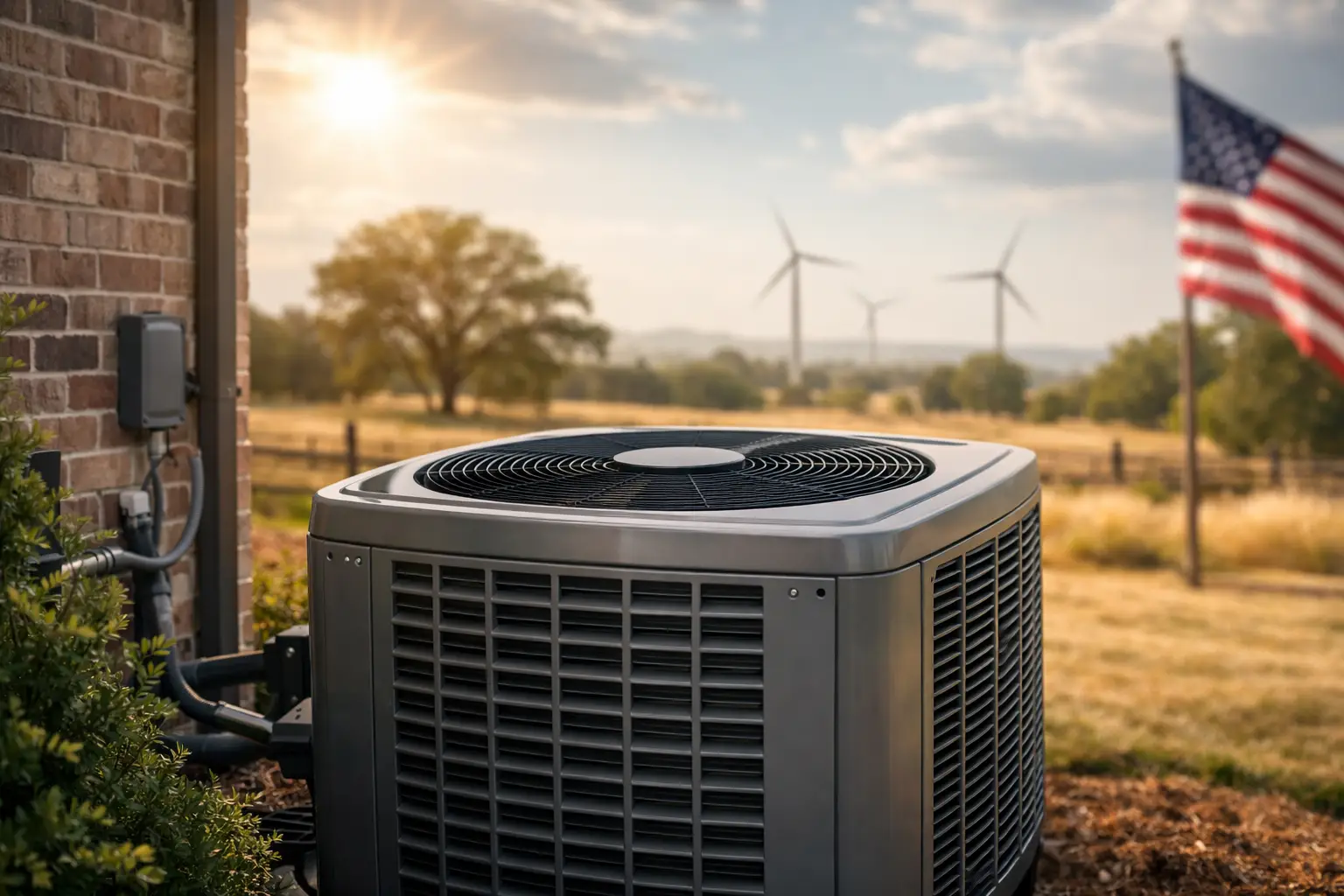
A Corpus Christi cooling system does not get much room for error. When outdoor temperatures stay in the 90s, the sun hits the roof all afternoon, and humidity makes 78 degrees feel sticky, your equipment has to do more than simply turn on. So, can heat pumps handle Texas summers? Yes – a properly selected, correctly sized, and professionally installed heat pump can provide dependable cooling through a South Texas summer.
- Why a Heat Pump Cools Like an Air Conditioner
- Can Heat Pumps Handle Texas Summers in Corpus Christi?
- Humidity Is Part of the Comfort Equation
- What Makes a Heat Pump Perform Well in Extreme Heat
- Efficiency Ratings Matter, But They Are Not the Whole Story
- Central Heat Pump or Ductless Mini-Split?
- Signs Your Current System May Not Be Sized or Set Up Correctly
- A Better Way to Choose a Heat Pump for South Texas
The bigger question is whether the specific system is right for your home. A heat pump that is too small can run constantly without catching up. One that is too large may cool the air quickly but leave too much moisture behind. That is why homeowners should look beyond a low price or a high efficiency rating and focus on capacity, installation quality, ductwork, and ongoing service.
Why a Heat Pump Cools Like an Air Conditioner
Despite the name, a heat pump is not only for heating. In cooling mode, it works much like a central air conditioner: it pulls heat from inside your home and moves it outdoors. The indoor coil absorbs heat and moisture from your air, while the outdoor unit releases that heat outside.
The difference is what happens in winter. A standard air conditioner can only cool, so it needs a separate furnace or other heat source. A heat pump can reverse its operation and bring heat indoors during cooler weather. For most Corpus Christi homeowners, that gives you efficient air conditioning for the long summer and practical electric heat for the relatively mild winter.
A quality heat pump is built to operate in hot weather. The key is choosing equipment with the right capacity and efficiency for the home, not assuming every heat pump will perform the same way.
Can Heat Pumps Handle Texas Summers in Corpus Christi?
They can, but South Texas conditions demand careful system design. Corpus Christi heat is not just about the temperature on the thermostat. High outdoor heat, strong solar gain, salt air near the coast, long cooling seasons, and humidity all affect comfort and equipment performance.
On a 100-degree afternoon, every air conditioning system has less room between indoor and outdoor temperatures. Your heat pump has to move a large amount of heat outside while maintaining airflow across the indoor coil. If the system was sized from a quick rule of thumb instead of a real load calculation, that is when problems show up.
A heat pump should be selected based on the home itself: square footage, ceiling height, window exposure, insulation, roof color, number of occupants, duct condition, and rooms that get unusually hot. A garage conversion, sunroom, second-floor bedroom, or room addition may need its own ductless mini-split instead of forcing the main system to cover space it was never designed to handle.
Humidity Is Part of the Comfort Equation
A system can lower the temperature and still leave a home uncomfortable. In Coastal Bend weather, moisture control matters just as much as cooling capacity.
As a heat pump cools air, moisture condenses on the indoor coil and drains away. That process works best when the system runs long enough at the right airflow. An oversized single-stage unit may satisfy the thermostat quickly, shut off, and repeat. The house reaches the set temperature, but humidity can remain high because the system did not run long enough to remove enough moisture.
Variable-speed and two-stage heat pumps can be a strong fit for many South Texas homes because they can operate at lower output for longer periods when conditions allow. Longer, steadier cycles often improve moisture removal, reduce temperature swings, and make the home feel more comfortable without driving the thermostat lower than necessary.
That does not mean variable-speed equipment is automatically the right answer for every budget or every house. It usually costs more upfront and needs installation and setup that match the manufacturer’s requirements. But for homeowners dealing with sticky indoor air, uneven temperatures, or high electric bills, it is worth comparing against a basic single-stage system.
What Makes a Heat Pump Perform Well in Extreme Heat
The outdoor unit is only one part of the system. Strong summer performance depends on how all the components work together.
Proper system sizing
Bigger is not always better. HVAC capacity is measured in tons or BTUs, but square footage alone cannot determine the right size. Two 1,800-square-foot homes can need very different systems based on insulation, windows, orientation, and duct losses. A Manual J load calculation provides a much more reliable starting point than guessing from the old system’s size.
Matched indoor equipment
A heat pump needs a compatible indoor coil or air handler. Mixing components without confirming that they are designed to work together can reduce efficiency, affect comfort, and create warranty issues. With central systems, the outdoor condenser, indoor coil, and air handler or furnace should be selected as a matched setup whenever possible.
Ductwork that can deliver airflow
Leaky, undersized, poorly insulated, or disconnected ducts can waste a surprising amount of cooling. If hot attic air enters the duct system, the heat pump has to work harder before conditioned air ever reaches the rooms. In some homes, duct repairs or improvements make as much difference as replacing the outdoor unit.
Correct installation and commissioning
Even good equipment can underperform after a rushed installation. Refrigerant lines must be properly sized and evacuated, electrical connections must be correct, condensate drainage must be reliable, and airflow needs to be verified. A licensed installation helps protect the equipment investment and gives you a clear path for future service.
Real maintenance
South Texas dust, pollen, and coastal conditions are hard on HVAC equipment. A clogged filter, dirty indoor coil, blocked drain line, or outdoor coil covered in debris can reduce capacity when you need it most. Regular maintenance keeps small issues from becoming a no-cooling call in July.
Efficiency Ratings Matter, But They Are Not the Whole Story
When comparing heat pumps, you will see SEER2 ratings. In simple terms, a higher SEER2 rating generally means the system can use less electricity over a cooling season. That can be valuable in a region where the system runs for much of the year.
Still, the highest rated unit is not always the best value. A homeowner should weigh the purchase price, expected energy use, warranty coverage, available features, and expected length of ownership. A mid-efficiency heat pump that is correctly sized and installed well will usually be a better choice than a premium model installed on poor ductwork or selected at the wrong capacity.
For coastal homes, ask about durability as well. Outdoor equipment near salt air may need more frequent cleaning and inspection. Keeping vegetation away from the unit and rinsing off surface buildup when appropriate can help preserve airflow and reduce corrosion concerns.
Central Heat Pump or Ductless Mini-Split?
The right answer depends on the space you need to cool. A central heat pump is often the practical choice when the home already has usable ductwork and needs whole-home comfort. It can replace an aging air conditioner and furnace arrangement with one efficient system that handles both cooling and heating.
A ductless mini-split is often a better answer for a garage, workshop, enclosed patio, room addition, converted space, or bedroom that never gets comfortable. Because it does not depend on long duct runs, it can provide targeted cooling where the main system falls short. Multi-zone systems can serve several rooms, but they should still be planned around the actual load in each area.
MRCOOL systems offer options for central, ductless, and DIY-focused projects. However, DIY-friendly equipment does not eliminate the need for sound planning. Correct sizing, electrical work, drain routing, unit placement, and warranty guidance still matter. Your Bargain Mart can help South Texas homeowners compare equipment options and arrange licensed support through Precision Air when professional installation or service is the better fit.
Signs Your Current System May Not Be Sized or Set Up Correctly
If your system runs often during peak heat, that alone is not always a failure. On the hottest days, a correctly sized unit may run for long stretches to maintain your thermostat setting. The concern is when it runs continuously and the indoor temperature keeps rising, or when some rooms remain far warmer than others.
Watch for high indoor humidity, short cycling, weak airflow, unusually high electric bills, frequent drain issues, or a system that cannot maintain comfort even after a basic maintenance visit. These symptoms can point to sizing, duct, refrigerant, airflow, insulation, or equipment problems. Replacing a unit without finding the cause can repeat the same frustration with newer equipment.
A Better Way to Choose a Heat Pump for South Texas
Start with how your home actually behaves during summer. Which rooms are hottest? Does the system struggle only after lunch? Is humidity the main complaint? Are you replacing a complete system, cooling a new space, or trying to solve a problem area?
Then get clear answers on the proposed equipment capacity, matched components, efficiency rating, warranty, installation scope, and whether your existing ductwork is suitable. Honest pricing matters, but so does knowing what the price includes. The lowest equipment quote can become expensive if it leaves out electrical corrections, a new line set, drain work, duct repairs, or the service support you need later.
A properly designed heat pump should not feel like a compromise in a Texas summer. It should keep your home dry, steady, and comfortable while giving you an efficient heating option when the weather finally cools down.
Further reading: Can heat pumps handle texas summers on bbc.com.
In short, can heat pumps handle texas summers rewards a careful, informed approach. Use this can heat pumps handle texas summers guide as a starting framework, adapt it to your situation, and re-check the facts whenever the topic moves.