
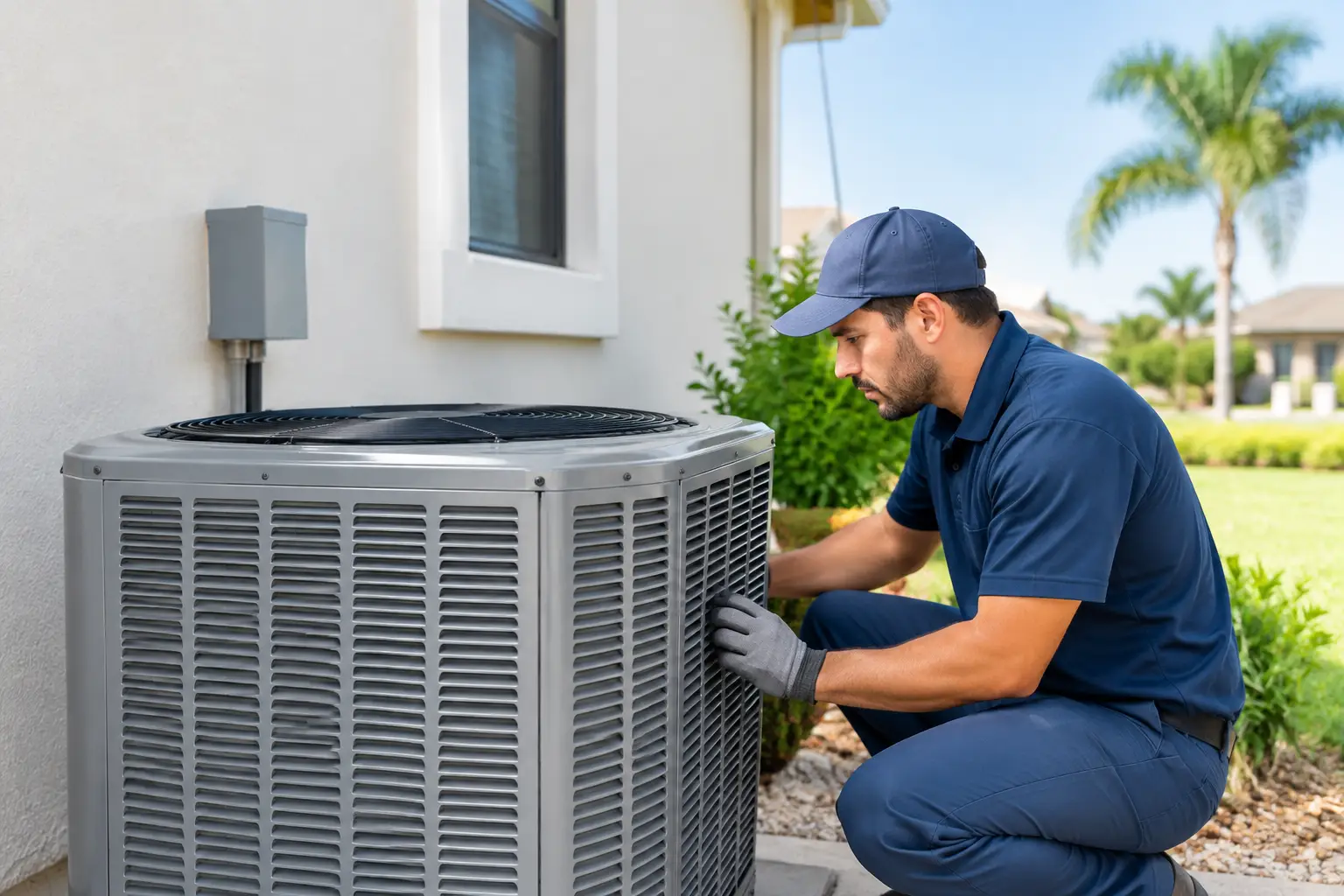
A Corpus Christi air conditioner does not get much downtime. Long cooling seasons, high humidity, salt air near the coast, and hot attic spaces can turn an older system into one of the biggest monthly expenses in a home. The right top energy saving HVAC upgrades can lower that operating cost while making rooms feel more consistently comfortable.
The key is not simply buying the highest efficiency rating available. A system has to be properly sized, matched to the home, and installed with the ductwork, airflow, and controls it needs to perform. For South Texas homeowners, the best upgrade is usually the one that solves the actual comfort problem without paying for features the house cannot use.
Top Energy Saving HVAC Upgrades That Pay Off
1. Replace an aging system with a variable-speed heat pump
If your central system is 12 to 15 years old, needs repeated repairs, or struggles to keep up on summer afternoons, a modern high-efficiency heat pump is often the most meaningful upgrade. Heat pumps provide cooling in summer and efficient electric heat during the cooler months, making them a practical all-in-one option for many South Texas homes.
Variable-speed equipment has a major advantage over older single-stage systems. Instead of turning fully on and fully off all day, it can operate at lower capacity for longer periods when conditions allow. That steadier operation can reduce energy use, improve humidity removal, and avoid the sharp temperature swings common with oversized or older equipment.
SEER2 ratings matter, but the rating is only part of the decision. A higher-efficiency unit may be worth the investment for a home with heavy cooling demand, but the return depends on utility costs, how long you plan to own the home, your insulation level, and installation quality. A properly sized mid-to-high-efficiency system is generally a better purchase than an oversized premium unit.
2. Upgrade the air handler or furnace at the same time
The outdoor condenser gets most of the attention, but it cannot deliver its rated efficiency with the wrong indoor equipment. The air handler, evaporator coil, blower motor, and refrigerant match all affect airflow, humidity control, and energy consumption.
A variable-speed air handler is especially valuable in humid coastal conditions. Its blower can run at lower speeds for longer cycles, moving air more evenly and helping the system pull more moisture from the home. Less indoor humidity can make the house feel cooler at a reasonable thermostat setting, which may reduce how often the equipment has to work at full output.
When replacing only one part of a split system, ask whether it is properly matched with the equipment already in place. Mixing components without confirming compatibility can sacrifice performance and create warranty concerns. A complete matched system is usually the better long-term choice when major components are near the end of their service life.
3. Add a ductless mini-split for rooms central air cannot handle
A ductless mini-split is one of the smartest energy-saving solutions for a garage conversion, room addition, workshop, sunroom, detached office, or a bedroom that stays warmer than the rest of the house. Rather than extending undersized ductwork or lowering the thermostat for the entire home, a ductless system cools and heats that specific zone.
This approach prevents the central system from carrying a load it was never designed to handle. It also gives the space its own temperature control, so you are not paying to condition an unused room at the same setting as the main living area.
MRCOOL DIY mini-splits can be an appealing choice for capable homeowners because select systems are designed with pre-charged line sets. Still, DIY does not mean sizing and placement are unimportant. The indoor head location, electrical requirements, condensate drainage, line-set routing, and outdoor unit clearance all affect reliability. Homeowners who prefer professional installation can choose a pro-grade ductless system and have it installed by a licensed technician.
4. Seal and improve ductwork before buying more capacity
Leaky ducts can waste a surprising amount of cooled air, particularly when they run through a hot attic. Damaged flex duct, loose connections, poor returns, and missing insulation force the system to run longer while certain rooms remain uncomfortable.
Duct sealing is often less exciting than a new condenser, but it can be one of the highest-value improvements in an existing home. Properly sealed and insulated ducts help more conditioned air reach the rooms where it belongs. They also limit attic heat and humidity from entering the air stream.
This is why a comfort evaluation should include airflow and duct condition, not just the age of the outdoor unit. If a bedroom is hot, the solution may be a return-air issue, restricted duct, or poor balancing rather than a larger HVAC system. Adding capacity without correcting those problems can increase the purchase price and leave the comfort issue unresolved.
5. Install a smart thermostat that supports your equipment
A smart thermostat is a relatively affordable upgrade when the existing HVAC system is in good condition. It can help homeowners maintain consistent schedules, reduce unnecessary runtime while the home is empty, and monitor whether the system is reaching the set temperature.
The savings are real only when the thermostat is used sensibly. In South Texas, setting the temperature drastically higher during the day and then demanding a rapid cooldown can be counterproductive, especially in humid homes. Moderate setbacks and a steady schedule are usually more comfortable.
Not every thermostat works with every variable-speed or communicating system. Before purchasing one, verify compatibility with the equipment and wiring. The best controls should support the system’s available features rather than reducing an advanced HVAC setup to basic on-and-off operation.
6. Choose zoning when parts of the house have different needs
Two-story homes, homes with large west-facing windows, and layouts with seldom-used guest rooms often have uneven cooling loads. A zoning system uses separate thermostats and dampers to direct conditioned air where it is needed. In the right home, it can reduce wasted cooling and improve comfort without relying on portable units or extreme thermostat settings.
Zoning is not automatically the answer for every house. It requires proper design, sufficient return airflow, and equipment that can handle changing airflow conditions. Poorly designed zoning can create noise, short cycling, and pressure problems. For some homes, a ductless mini-split in the problem area is simpler and more cost-effective.
How to Choose the Right Upgrade for Your Home
Start with the reason you are considering an upgrade. High electric bills, uneven room temperatures, excess humidity, frequent repairs, and lack of cooling capacity point to different solutions. A system that runs constantly may be undersized, but it may also be dealing with leaking ducts, an attic insulation problem, a dirty coil, or a thermostat issue.
Next, make sure the equipment is sized using a real load calculation. Square footage alone is not enough. Window exposure, ceiling height, insulation, occupancy, duct design, and the local climate all matter. An oversized system may cool quickly but shut off before removing enough humidity, leaving the home cool yet clammy.
Finally, consider the support behind the purchase. Factory-backed warranties and genuine equipment matter, but so does knowing who can help with setup, installation, maintenance, and repair after the sale. Your Bargain Mart helps South Texas homeowners compare MRCOOL central systems, heat pumps, air handlers, and ductless options with honest pricing and local service support, including support for qualifying DIY equipment.
The best energy-saving upgrade should make your home easier to live in, not more complicated to maintain. Start with accurate sizing and the comfort issue you want to solve, then invest in equipment and workmanship built to handle another long South Texas summer.
In short, top energy saving hvac upgrades rewards a careful, informed approach. Use this top energy saving hvac upgrades guide as a starting framework, adapt it to your situation, and re-check the facts whenever the topic moves.