





A central AC system that runs all day without bringing the house down to a comfortable temperature is not just frustrating in Corpus Christi. It can drive up utility bills, strain aging equipment, and leave your family sweating through another South Texas summer. This guide to replacing central AC explains how to make a confident decision before a breakdown turns into an emergency purchase.
Know When Central AC Replacement Makes More Sense Than Repair
Most homeowners do not replace an air conditioner because it reaches a certain birthday. They replace it when repairs, performance, and operating costs no longer add up. A well-maintained central system may last 12 to 15 years in many climates, but coastal heat, long cooling seasons, salt air, and heavy runtime can shorten that timeline in South Texas.
Age alone is not the deciding factor. A newer unit with a failed capacitor or contactor may be worth repairing. But if your system is near the end of its expected life and needs a major component such as a compressor, evaporator coil, or condenser coil, replacement often deserves a serious comparison.
Watch for rising electric bills without a change in household habits, uneven temperatures between rooms, excess humidity, repeated refrigerant issues, loud operation, or frequent service calls. Older systems using discontinued refrigerant can also become increasingly expensive to maintain. A licensed technician can identify the actual cause of the problem before you spend money on either a repair or a new system.
Get the Size Right Before Choosing the Equipment
The biggest mistake in central AC replacement is assuming the old system was correctly sized. It may have been oversized from day one, or your home may have changed since it was installed. A room addition, new windows, insulation upgrades, roof changes, and even occupancy can affect the cooling load.
An oversized system cools the air quickly but may shut off before it removes enough humidity. That can leave rooms cool yet clammy, especially during humid Coastal Bend weather. An undersized system can run constantly during peak heat, struggle to reach the thermostat setting, and wear out sooner under the extra workload.
Proper sizing should consider square footage, ceiling height, window orientation, insulation levels, duct condition, air leakage, and local design temperatures. Do not buy a system based on square footage alone or match the tonnage on the existing nameplate without a load calculation. Those shortcuts can create years of comfort problems.
For homes with hot bedrooms, converted garages, workshops, or additions that never cool evenly, a ductless mini-split may be a practical supplement or alternative to expanding the central system. It depends on the layout, how the room is used, and whether the existing ductwork can reasonably serve the space.
Choose a System That Fits Your Home and Budget
Central AC replacement is not a one-size-fits-all purchase. The right equipment balances upfront cost, energy use, comfort expectations, and the condition of the rest of your HVAC system.
A standard single-stage system is often a sensible option for homeowners who want dependable cooling and a lower initial investment. Two-stage and variable-speed systems usually cost more, but they can provide steadier temperatures, better humidity control, and quieter operation. Those benefits can be especially valuable in a home where the AC runs for long stretches through the summer.
Efficiency matters, but the highest rating is not automatically the best value. A higher-efficiency system can reduce operating costs, yet the payback depends on your electricity use, thermostat habits, ductwork, installation quality, and how long you plan to own the home. Honest pricing means looking at the full picture instead of selling the most expensive equipment available.
Many homeowners also choose to replace an air conditioner with a heat pump. A heat pump provides cooling in summer and efficient electric heating during mild winter weather. In Corpus Christi, that can be an attractive option for homes that want one system for year-round comfort. If you have a gas furnace that is still in excellent condition, a matched AC and coil may make more sense. Your equipment choices should reflect the home, not a preset package.
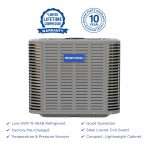
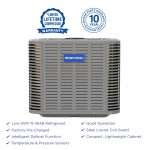
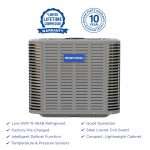
MRCOOL Universal Series systems are one option for homeowners looking for adaptable, energy-efficient heating and cooling equipment. The correct model still needs to be matched with the appropriate indoor equipment, controls, electrical requirements, and installation plan.
Do Not Ignore the Ductwork, Coil, and Electrical System
A new outdoor condenser cannot overcome leaking, undersized, dirty, or poorly designed ductwork. If some rooms are always warmer than others, the return-air path is restricted, or vents produce weak airflow, the ducts should be evaluated as part of the replacement process.
Duct leakage can send conditioned air into an attic or crawlspace while pulling hot, humid outside air into the system. Restricted returns can make the blower work harder and reduce comfort throughout the house. Depending on the findings, sealing, insulation, repairs, added returns, or targeted duct modifications may be more valuable than simply increasing AC capacity.
The indoor coil deserves equal attention. In many replacements, the outdoor unit and evaporator coil should be properly matched for performance, efficiency, and warranty compliance. Mixing components without confirming compatibility can reduce capacity and create avoidable service issues.
Your installer should also check the electrical disconnect, breaker size, wiring condition, drain line, condenser pad, refrigerant lines, and thermostat. A thermostat upgrade may allow better control of staging or variable-speed features, but it must be compatible with the system selected.
What a Professional Central AC Replacement Should Include
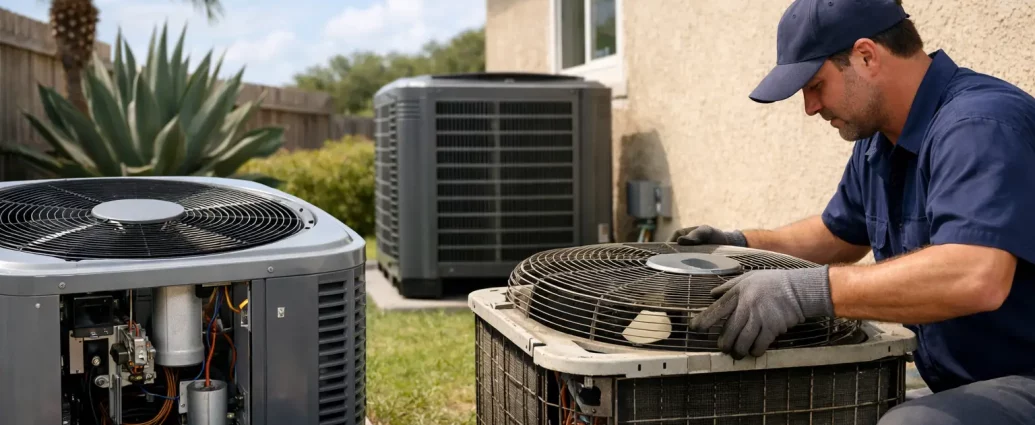
Replacing central air equipment requires more than setting a new condenser outside. Refrigerant handling, electrical work, airflow setup, drainage, and final commissioning all affect reliability. This is why licensed workmanship matters.
A professional installation generally begins with confirming the load and equipment match, then inspecting the duct system and electrical service. The old equipment is removed, the new indoor and outdoor components are installed, and refrigerant lines are properly prepared, pressure-tested, evacuated, and charged according to manufacturer specifications. The technician should verify airflow, temperature split, condensate drainage, safety controls, and thermostat operation before the job is complete.
Ask what is included in the proposal. A clear estimate should identify the equipment, efficiency level, scope of installation, needed electrical or duct modifications, permit requirements where applicable, warranty terms, and any exclusions. The lowest quote can become expensive if it leaves out a necessary coil, line-set work, drain upgrades, or startup procedures.
At Your Bargain Mart, homeowners can get practical system-selection guidance along with licensed installation and service support through Precision Air. That local continuity matters after installation, whether you need seasonal maintenance, a repair, or help understanding your MRCOOL equipment.
Plan Ahead if Your System Is Still Running
The best time to replace central AC is often before the old equipment fails completely. A planned replacement gives you time to compare efficiency options, schedule the work around your household, address duct issues, and avoid making a rushed decision during a heat wave.
If your system is still operating but showing its age, start by documenting its repair history and your recent electric bills. Note rooms that stay warm, humidity concerns, unusual sounds, and times when the unit cannot keep up. Those details help a qualified HVAC professional recommend a solution based on your actual comfort problems.
Also ask about maintenance after installation. Keeping filters clean, outdoor coils clear, drain lines maintained, and airflow checked can protect your investment. Even premium equipment needs proper upkeep in the South Texas climate.
A new central AC system should give you more than a colder house. With the right size, matched components, and careful installation, it should give you dependable comfort when Corpus Christi heat is at its worst.