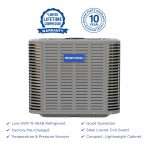
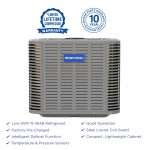
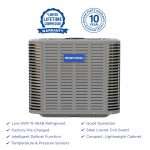







Corpus Christi heat can make a room feel sticky even when the thermostat says it is cool. So, do mini splits work in humidity? Yes. A properly selected and installed mini-split can remove a meaningful amount of moisture while it cools, making bedrooms, additions, garages, and shops feel more comfortable. The key is choosing the right capacity and using the system correctly for South Texas conditions.
Mini-splits are not magic dehumidifiers, and they are not immune to sizing or installation mistakes. But ductless systems can be an excellent humidity-control option when the equipment, room load, drainage, and settings all match the space.
How Mini-Splits Remove Humidity
When a mini-split runs in cooling mode, warm indoor air moves across the cold indoor coil. Moisture in that air condenses on the coil, then drains outside through the condensate line. This is the same basic process used by central air conditioning, but a mini-split controls the temperature in the room where it is installed rather than conditioning the whole house through ductwork.
Comfort depends on both temperature and relative humidity. At 76 degrees with high humidity, the air can still feel clammy because sweat does not evaporate efficiently from your skin. Lowering indoor humidity into a comfortable range, often around 45% to 55%, can make the same temperature feel noticeably better.
A variable-speed inverter mini-split has an advantage here. Instead of constantly turning fully on and off, it can reduce its output and run longer at a lower level after the room nears the set temperature. Longer, steadier run times generally give moisture more time to collect on the coil and drain away.
Do Mini Splits Work in Humidity as Well as Central Air?
For a single room, garage conversion, workshop, or room addition, a quality mini-split can control humidity very well. It may perform better than an oversized central system serving that same small area because it is matched directly to the space and can operate at lower capacity for longer periods.
For an entire house, the comparison depends on the design. A properly sized central system with sound ductwork can manage whole-home humidity effectively. A multi-zone mini-split system can also work well, especially in homes without usable ducts or with rooms that have different comfort needs. However, every indoor head needs to be selected and located carefully. One oversized head in an open area may satisfy its thermostat quickly, leaving less run time for dehumidification.
Ductless equipment also avoids moisture problems caused by leaky or poorly insulated ducts in a hot attic. In South Texas, duct leakage can pull humid attic air into the system or waste cooled air before it reaches the room. Eliminating that problem can improve comfort and reduce unnecessary runtime.
Still, mini-splits are primarily air conditioners and heat pumps. If a home has persistent moisture from a crawlspace, roof leak, plumbing issue, poor ventilation, frequent door openings, or an unusually high indoor moisture load, a dedicated dehumidifier or building repair may be needed alongside the HVAC system.
The Biggest Factor Is Proper Sizing
The most common humidity mistake is buying too large a system. Bigger is not automatically better in air conditioning.
An oversized mini-split can cool the room very quickly, cycle down or shut off, and leave moisture behind. The temperature looks fine on the remote, but the room still feels damp. This is especially frustrating in bedrooms and small additions where people expect quiet, consistent comfort.
A system that is too small has a different problem. It may run continuously during peak heat, struggle to pull the room down to the desired temperature, and use more energy than expected. Humidity removal can still occur, but the equipment may not keep up with the combined heat and moisture entering the space.
Square footage is a starting point, not a complete sizing method. Sun exposure, ceiling height, insulation, window area, room use, number of occupants, attached versus detached construction, and local outdoor conditions all affect the load. A west-facing bonus room with large windows needs a different solution than a shaded, insulated bedroom of the same size.
In Corpus Christi and nearby coastal areas, outdoor humidity is part of the calculation. Salt air exposure, high summer moisture, and long cooling seasons make it worth getting practical sizing guidance before choosing a unit based only on a generic online chart.
Settings That Help a Mini-Split Control Moisture
Once the system is correctly sized, everyday settings can make a real difference. In normal cooling mode, set a reasonable temperature rather than pushing the thermostat extremely low. A setting around 74 to 76 degrees is often a comfortable starting point, though personal preference and home conditions vary.
Use Auto fan speed when possible. Running the indoor fan continuously after the compressor stops can move air across a wet coil and return some moisture to the room. Auto fan allows the system to manage airflow with the cooling cycle, which usually supports better moisture removal.
Many mini-splits include a Dry mode. This setting can be useful on muggy days when the temperature is not especially high, such as rainy weather or mild evenings. Dry mode generally prioritizes dehumidification by adjusting compressor and fan operation. It is helpful for spot control, but it should not be treated as a cure for an undersized, oversized, or improperly installed system.
Keep doors and windows closed while the system is operating. A mini-split in a bedroom or garage cannot efficiently manage humidity if warm outdoor air is constantly entering. In a garage or shop, weatherstripping, door seals, and insulation often matter just as much as the equipment selection.
Installation Details That Affect Humidity Performance
Even a well-built mini-split will disappoint if the installation is rushed. The indoor unit must be mounted level enough for proper drainage, and the condensate line needs the correct slope and routing. A blocked, kinked, or poorly supported drain can lead to dripping, water damage, musty odors, or reduced performance.
The outdoor unit should have adequate clearance and a stable mounting location. Refrigerant line routing, electrical work, wall penetration sealing, and correct commissioning all matter. These details protect performance, efficiency, and warranty coverage.
DIY-friendly systems can be a good fit for capable homeowners, particularly for a straightforward single-zone project. But DIY does not mean planning is optional. Electrical requirements, drainage, wall structure, line-set routing, and local code requirements still need attention. For larger systems, multi-zone layouts, difficult mounting locations, or any uncertainty about sizing, professional installation is often the better long-term value.
Your Bargain Mart helps South Texas homeowners choose genuine MRCOOL equipment with honest guidance, licensed installation options through Precision Air, and local support for both professional-grade and DIY systems. That local accountability matters when a system needs service after the sale.
When a Mini-Split May Need Extra Help
There are situations where an air conditioner alone cannot solve the humidity problem. If indoor relative humidity stays above 60% for long periods while the system is operating correctly, look beyond the mini-split.
Check for air leaks around doors, windows, attic accesses, and penetrations. Confirm bathroom fans vent outdoors and are used during showers. Look for plumbing leaks, roof leaks, wet building materials, or a garage that is frequently opened during humid weather. In homes with high moisture loads or low cooling demand during mild weather, a whole-home or portable dehumidifier may be the right companion to the mini-split.
A technician can also check whether the unit is appropriately sized, draining correctly, maintaining proper refrigerant performance, and located where it can sense the room accurately. These are practical checks, not guesswork.
A mini-split should make a humid South Texas room feel cool, dry, and steady – not merely cold for a few minutes. Start with the room’s real conditions, choose the capacity carefully, and make sure the installation gives moisture a clear path out of the building.