
A central AC system that runs constantly, leaves rooms unevenly cooled, or sends your electric bill climbing is not always one repair away from being reliable again. In Corpus Christi and across South Texas, knowing how to upgrade central air starts with more than choosing a higher-efficiency outdoor unit. The right upgrade has to account for your home’s size, duct condition, humidity, electrical setup, and the long cooling season that puts real demand on HVAC equipment.
Replacing equipment is a major home investment. A clear plan helps you avoid paying for features you do not need while making sure the system you choose can keep up when the heat and humidity are at their worst.
Start With the Reason You Need an Upgrade
Age matters, but it should not be the only reason to replace central air. Many systems can be repaired, especially when the issue is a capacitor, contactor, drain problem, or other serviceable component. An upgrade becomes more practical when repairs are frequent, expensive, or tied to major components such as the compressor or coil.
Watch for patterns rather than one bad afternoon. If the system struggles to reach the thermostat setting, short cycles, runs for hours, has uneven temperatures from room to room, or needs refrigerant repeatedly, it is time to look at the whole system. Rising utility costs can also point to declining efficiency, duct leakage, poor airflow, or equipment that no longer matches the home.
Older systems may use outdated refrigerant or have lower efficiency ratings than current equipment. That does not automatically mean replacement is required, but it can make a costly repair harder to justify. A qualified evaluation should separate a fixable service issue from a system that is nearing the end of its useful life.
How to Upgrade Central Air the Right Way
The best central air upgrades are designed as complete comfort systems. The outdoor condenser is only one part of the job. Your indoor coil, air handler or furnace, thermostat, refrigerant lines, drains, electrical connections, and ductwork all affect performance.
Get a proper load calculation
Do not choose a new system based only on the tonnage of the old one. A previous unit may have been oversized, undersized, or selected before insulation, windows, additions, or occupancy changed. Bigger is not automatically better. An oversized system can cool the house too quickly, shut off before removing enough moisture, and create a clammy feel indoors. It may also cycle more often, increasing wear.
A proper load calculation considers square footage, ceiling height, insulation, window exposure, home layout, number of occupants, and local weather conditions. In South Texas, solar exposure and humidity deserve special attention. The result is a system size that can handle the load without wasting energy or sacrificing comfort.
Choose efficiency that fits your usage
Higher-efficiency equipment can reduce operating costs, but the right rating depends on your budget, how long you plan to own the home, and how heavily the system runs. In our climate, air conditioning is not a short seasonal expense. A more efficient heat pump or central air system may make sense because it will work hard for much of the year.
Variable-speed and inverter-driven equipment can offer steadier temperatures, quieter operation, and better humidity control than basic single-stage systems. They cost more upfront, so the decision should be practical. For a homeowner planning to stay in the house, improved comfort and lower energy use may justify the investment. For a rental property or a tighter budget, a reliable mid-efficiency matched system may be the smarter value.
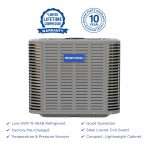
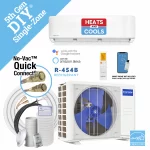
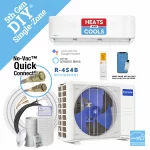
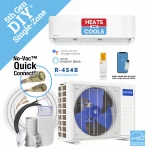
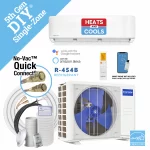
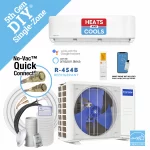
MRCOOL Universal Series systems are worth considering for homeowners who want efficient heat pump performance with flexible installation options. The model and configuration still need to be matched to the home, not selected from a box based on a general online recommendation.
Replace matched equipment together when needed
A new condenser connected to an old, mismatched indoor coil can limit efficiency and shorten equipment life. The coil needs to be compatible with the outdoor unit, the refrigerant type, and the required airflow. In many replacement situations, installing a matched outdoor and indoor combination is the more dependable long-term choice.
The same thinking applies to air handlers and furnaces. If the blower is weak, improperly sized, or nearing failure, a new condenser alone will not solve airflow problems. A matched system provides the best chance of receiving the efficiency and warranty benefits the manufacturer intended.
Inspect ducts before blaming the equipment
Leaky, undersized, poorly insulated, or damaged ducts can make a new central system feel disappointing. Conditioned air may be escaping into the attic, while hot humid attic air is pulled into the return side. Restricted ducts can reduce airflow, increase noise, and place extra strain on the blower and compressor.
Before installation, have the duct system inspected for leakage, poor connections, crushed flex duct, inadequate returns, and insulation problems. Some homes need duct repairs or modifications to support a higher-efficiency variable-speed system. Others may benefit from zoning or a ductless mini-split for a garage, addition, converted room, or area that never cools evenly through the main duct system.
Plan for Humidity, Drainage, and Airflow
Corpus Christi heat is only part of the comfort equation. High humidity can make a properly cooled home still feel sticky. Proper sizing, correct airflow, clean coils, and a well-designed condensate drain all support moisture removal.
Ask how the upgraded system will manage condensate. A clogged or poorly installed drain can lead to ceiling damage, biological growth, shutdowns, and service calls. In some applications, a safety float switch and properly trapped drain line are inexpensive protections worth adding during installation.
Airflow should be measured and adjusted, not assumed. Refrigerant charge must also be set according to manufacturer requirements. These details are where professional installation matters most. A quality system can underperform if it is installed with incorrect airflow, poor electrical connections, improper line-set work, or an unverified refrigerant charge.
Do Not Skip Electrical and Site Conditions
Central air upgrades may require electrical work, especially when replacing much older equipment or moving to a system with different requirements. The disconnect, breaker size, wiring, and surge protection should be evaluated before installation. A whole-home or HVAC-specific surge protector can be a sensible addition in an area where storms and power interruptions occur.
Outdoor-unit placement matters too. The unit needs adequate clearance for airflow and future service. It should sit on a stable, level pad and be protected from direct roof runoff. Near the coast, salt air can accelerate corrosion, so regular cleaning and maintenance are especially valuable for protecting coils and cabinet components.
Budget for the Whole Upgrade, Not Just the Unit
An honest central air quote should account for the equipment and the work needed to install it correctly. The lowest advertised unit price may not include a compatible coil, thermostat, pad, drain work, electrical updates, duct repairs, permits, startup procedures, or removal of old equipment.
When comparing estimates, look beyond the final number. Confirm the exact equipment model, efficiency rating, warranty coverage, labor scope, and whether the installer will test system operation after startup. Ask what happens if a warranty issue occurs and who will be available for future maintenance or repairs. Local support matters long after installation day.
Your Bargain Mart helps South Texas homeowners select genuine MRCOOL equipment with honest pricing, factory-backed warranty support, licensed installation through Precision Air, and service options for both professionally installed and DIY MRCOOL systems. That continuity can be especially helpful when you want one local resource for product guidance, installation, and future service.
Make the Upgrade Last
A new system needs basic maintenance to deliver the comfort and efficiency you paid for. Change filters on schedule, keep the outdoor unit clear of grass and debris, and do not close off too many supply vents. Schedule seasonal service so a technician can inspect electrical components, drainage, coils, blower performance, refrigerant operation, and overall airflow before a small issue becomes a hot-weather breakdown.
If you are considering how to upgrade central air, begin with a home-specific assessment rather than a quick equipment swap. The right system should fit your home, your budget, and the way South Texas heat actually tests an air conditioner. A properly sized, professionally installed upgrade gives you something more useful than a new box outside: dependable comfort when you need it most.