
A ductless mini-split can keep a garage, addition, bedroom, or whole home comfortable through the Corpus Christi heat, but it cannot perform at its best when basic maintenance gets skipped. Knowing how to maintain a ductless system protects the efficiency you paid for, helps prevent water leaks and musty odors, and gives you a better chance of catching small concerns before they become service calls.
Ductless systems are simple for homeowners to care for in several key ways. Still, they are not maintenance-free. South Texas humidity, salt air near the coast, windblown debris, and long cooling seasons can all put added strain on an indoor air handler and outdoor condenser. A regular routine makes a real difference.
Start With the Indoor Unit Filters
The washable filters behind the front cover of a ductless indoor unit are the first thing to check. They collect dust, pet hair, pollen, and everyday household debris. When they are clogged, airflow drops, the system has to work harder, and the room may take longer to reach the temperature on the remote.
For most homes, inspect filters every month during heavy cooling use. Clean them at least every one to three months, depending on the household. Homes with pets, smokers, frequent cooking, or dusty shop and garage environments may need monthly cleaning.
Turn the system off, lift the front panel carefully, and slide the filters out according to the unit instructions. A vacuum with a soft brush attachment can remove light dust. For a more thorough cleaning, rinse the filters with lukewarm water and let them dry completely before reinstalling them. Do not put damp filters back into the air handler, and do not use harsh cleaners that can damage the mesh.
A clean filter is not just about air quality. It is one of the easiest ways to maintain proper airflow, avoid unnecessary energy use, and help prevent the indoor coil from getting dirty too quickly.
Keep the Indoor Air Handler Clean and Dry
After cleaning the filters, look at the louvers, plastic cabinet, and visible openings around the indoor head. Wipe the exterior with a soft, dry or lightly damp cloth. Dust buildup around the discharge opening can eventually be pulled back into the system.
Pay attention to odors when the system starts. A mild smell after a long period of nonuse may clear quickly. A persistent musty odor, however, can point to moisture, dust, or biological growth on the coil or inside the drain pan. Spraying household disinfectant into the unit is not a reliable fix and may damage internal components.
If the unit smells musty, blows weakly after filters are cleaned, or has visible buildup deep behind the filters, schedule a professional cleaning. The blower wheel, evaporator coil, and drain pan require proper access and cleaning methods. This is especially true for systems in humid spaces, such as garages, workshops, and rooms that stay closed for long periods.
Watch for Water Around the Indoor Unit
A ductless system removes humidity while it cools, so water should drain through the condensate line and outside the home. Water dripping from the indoor head, staining the wall, or pooling below the unit is never normal.
The cause may be a clogged drain line, a dirty drain pan, incorrect installation slope, or a condensate pump issue where a pump is used. Turn the unit off if water is actively leaking and arrange service promptly. Continuing to run it can damage drywall, flooring, insulation, or furniture.
Give the Outdoor Condenser Room to Breathe
The outdoor unit needs unrestricted airflow to move heat out of your home. Leaves, grass clippings, plastic bags, weeds, and stacked storage items can block the coil or fan area. In coastal South Texas, windblown sand and salt residue can also collect on the cabinet and coil fins.
Walk around the condenser every month or so, particularly after storms, mowing, or high winds. Remove loose debris from the surrounding area and keep plants trimmed back. Aim for at least 12 to 24 inches of clear space around the sides of the unit, while following the manufacturer’s clearance requirements for your specific model.
Do not lean tools, lawn equipment, or patio items against the condenser. Avoid directing lawn mower discharge toward it as well. Grass clippings can pack into the coil and restrict airflow surprisingly fast.
You can gently rinse the exterior coil with a garden hose on a light setting after shutting off power to the unit. Spray from the outside toward the coil and avoid using a pressure washer. High pressure can bend delicate fins and create a more expensive problem than the dirt you were trying to remove. If the coil looks heavily coated, has bent fins, or is corroded, professional service is the better choice.
Check Performance Before the Heat Gets Serious
Do not wait until the first 100-degree stretch to find out your ductless system is struggling. In spring, run each zone in cooling mode and make sure every indoor head responds to its remote, opens its louvers, and produces steady cool air after a few minutes.
Listen for changes, too. A normal ductless system makes a quiet fan sound and occasional operational noises. Repeated rattling, grinding, loud buzzing, or clicking that does not stop deserves attention. So does short cycling, which is when the system starts and stops frequently without maintaining the set temperature.
If you own a multi-zone system, test every room individually. One weak zone does not always mean the entire system is failing. It could be a dirty filter, a remote setting, a communication issue, or a refrigerant and airflow concern that needs diagnosis.
Use the Right Settings
Constantly changing the temperature can make comfort less consistent and may cause the equipment to run harder than necessary. Set a realistic temperature and allow the inverter system time to adjust its output. For many South Texas households, a cooling setting in the mid to upper 70s balances comfort and operating cost, but the right setting depends on insulation, sun exposure, occupancy, and personal preference.
Use Dry mode carefully. It can be useful during humid, mild weather, but it is not a replacement for Cooling mode during extreme heat. If the room feels sticky even when the system is operating, dirty filters, oversized equipment, drain issues, or an installation concern may be involved.
Know Which Tasks Belong to a Professional
Homeowner maintenance handles filters, basic exterior cleaning, and visual inspections. Professional maintenance goes further. A qualified technician can clean the indoor coil and blower assembly, flush and inspect the condensate system, check electrical connections, inspect refrigerant performance, verify temperature split, and identify wear before it affects comfort.
Annual professional service is a sound plan for most ductless systems. Twice-yearly service can make sense for equipment that runs nearly year-round, serves a dusty garage or shop, sits close to salt air, or supports a home with multiple indoor zones.
Do not attempt to add refrigerant, open sealed refrigeration lines, or work inside electrical compartments. Ductless equipment is precise, and a refrigerant issue is not solved by simply “topping it off.” If refrigerant is low, the system may have a leak that needs to be located and repaired. Proper diagnosis protects the equipment, the warranty, and your investment.
Maintenance for MRCOOL DIY and Pro-Installed Systems
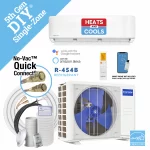
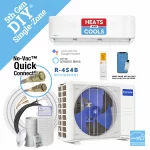
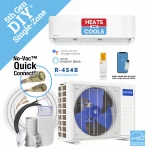
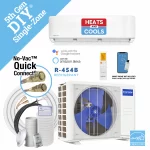
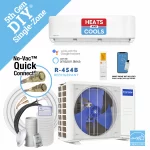
MRCOOL DIY systems make ductless comfort more accessible, but regular care still matters after installation. Keep your installation documents, model numbers, and maintenance records in one place. They are useful for warranty questions, future repairs, and matching replacement parts.
If you installed a DIY system yourself, do not assume you will be on your own when service is needed. Your Bargain Mart supports MRCOOL homeowners in the Corpus Christi area, including customers who need help maintaining or repairing DIY equipment that other providers may avoid. For pro-grade systems, licensed installation and ongoing service help ensure the unit continues to operate as designed.
Call for service sooner rather than later if you notice ice on the indoor or outdoor coil, a water leak, reduced cooling, unusual noise, error codes, tripped breakers, or a noticeable increase in electric bills. These symptoms can have simple causes, but ignoring them can turn a manageable repair into compressor damage or moisture damage inside the home.
A clean filter and a clear outdoor unit will carry you a long way, but consistent comfort comes from paying attention to what your system is telling you. A quick check each month and professional care before peak summer can help your ductless system stay dependable when South Texas heat gives it no days off.