
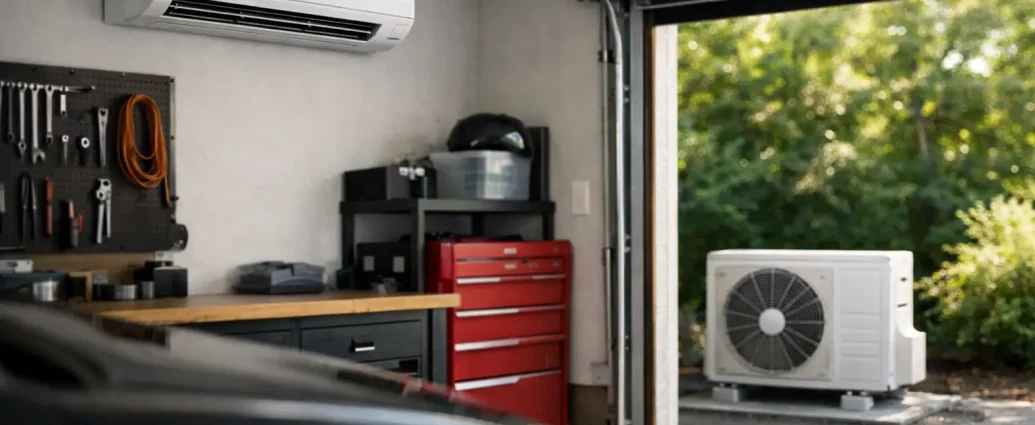
If your garage feels like a sauna by noon or turns muggy enough to ruin tools, paint, or a weekend project, the best garage mini split systems can fix that fast. The right system gives you real temperature control without extending ductwork, overloading a window unit, or settling for a loud portable setup that barely keeps up.
Garages are tricky spaces. They usually have poor insulation, big heat gain through metal doors, and a wide range of uses. One homeowner wants a cooler place to park and store equipment. Another is turning the garage into a gym, workshop, or home office. That is why the best choice is not just about brand or price. It comes down to sizing, climate performance, installation needs, and whether you want long-term support after the sale.
What makes the best garage mini split systems different
A garage mini split has one job that sounds simple but usually is not – handle extreme swings in temperature in a space that was never designed for comfort. In South Texas, cooling is the main concern for most homeowners, but heating can still matter during cold snaps. A good garage system should cool efficiently in high outdoor temperatures, control humidity well, and recover quickly when the garage door opens and closes throughout the day.
The best systems also offer flexibility. Some garages are attached and semi-insulated. Others are detached metal buildings or converted workspaces with serious heat load. A system that works perfectly in a 2-car attached garage may struggle in a larger shop with poor insulation and west-facing exposure.
That is why mini splits are such a practical fit. They avoid duct losses, run efficiently at partial load, and let you condition the garage independently from the rest of the house. You are not paying to cool the entire home harder just to make one hot room usable.
Best garage mini split systems by use case
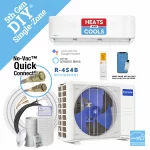
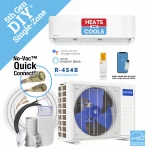
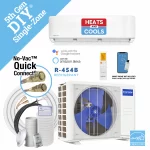
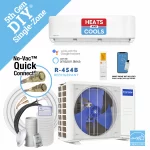
1. MRCOOL DIY 4th Gen for straightforward garage comfort
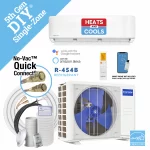
If you want a strong balance of value, efficiency, and simpler installation, the MRCOOL DIY line is one of the best garage mini split systems to consider. It fits homeowners who want reliable cooling and heating in a garage without stepping into a complicated install process.
The big selling point is convenience. Pre-charged line sets reduce installation complexity, which matters for buyers who are comfortable handling part of the project themselves. Just as important, this category works well for garages that need dependable comfort but do not need an oversized commercial-style solution.
The trade-off is that DIY-friendly does not mean one-size-fits-all. Correct sizing still matters, and larger or poorly insulated garages may need more capacity than buyers first expect.
2. MRCOOL Advantage Series for professionally installed value
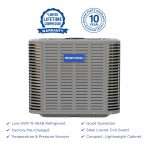
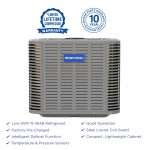
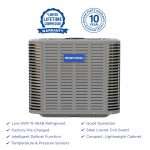
For homeowners who want a lower-cost entry into ductless comfort with professional installation, the MRCOOL Advantage Series deserves a look. It is often a practical fit for garages used for storage, hobby work, or occasional occupancy.
This type of system makes sense when the goal is consistent comfort at an honest price. It may not carry all the premium cold-weather or smart-home features of higher-end models, but many garage applications do not need every extra feature. If your main problem is brutal summer heat and sticky humidity, a value-oriented pro-grade system can be the smarter buy.
3. MRCOOL Olympus or comparable premium systems for heavier use
If your garage functions more like conditioned living space, a premium single-zone system is usually worth the extra investment. Think home gym, workshop, studio, or daily office. In those cases, comfort swings become more noticeable, and quieter operation matters more.
Higher-end systems typically deliver better low-speed modulation, improved efficiency, and more refined temperature control. They are also a safer bet when the garage is occupied for long periods and you want comfort to feel stable rather than approximate.
4. Hyper Heat-style systems for stronger winter performance
Most South Texas garages are cooling-driven spaces, but there are still situations where heating performance matters. If you use the garage as a workspace early in the morning, keep temperature-sensitive materials inside, or live in an area where occasional hard cold fronts hit, stronger heat output at lower outdoor temperatures becomes useful.
A Hyper Heat-type mini split can maintain better heating performance when standard heat pumps start to lose capacity. Not every garage needs this, so it is usually a case of paying more for a specific need rather than a universal upgrade.
5. Multi-zone systems for garage plus bonus room setups
Sometimes the garage is only part of the project. You may also be conditioning an adjacent room addition, converted storage area, or detached workshop office. In those cases, a multi-zone system can be more efficient and cleaner-looking than installing separate outdoor units.
This setup works best when the spaces have similar usage patterns or when outdoor space is limited. The caution is that multi-zone systems are not automatically the best answer for every property. If the garage has a very different load profile from the second room, separate single-zone systems can sometimes offer better performance and simpler serviceability.
Sizing matters more than most buyers expect
The biggest mistake in garage mini split shopping is treating square footage like the only number that matters. A 400-square-foot garage in Corpus Christi with an uninsulated door, poor attic insulation, and direct afternoon sun can need a very different system than a 400-square-foot insulated garage with limited heat gain.
As a rough starting point, many single-car and small 2-car garages land in the 9,000 to 18,000 BTU range, while larger garages and workshops may need 24,000 BTU or more. But that estimate changes quickly based on ceiling height, insulation, sun exposure, the number of vehicles inside, and whether you are running tools or equipment that generate heat.
Oversizing is not harmless. A unit that is too large can short cycle, reduce humidity control, and create uneven comfort. Undersizing is even more obvious – it runs constantly and still struggles on the hottest days. Good sizing support is worth more than chasing the lowest sticker price.
Features worth paying for in a garage mini split
Not every feature deserves extra money, but a few are genuinely useful in garage applications. Strong dehumidification matters in coastal and humid climates because comfort is not only about air temperature. In South Texas, a garage can feel miserable even when the thermometer does not look extreme.
Inverter-driven performance is another feature that pays off. It helps the system ramp up when needed and settle into efficient operation instead of blasting on and off. That improves comfort, lowers noise, and usually reduces operating cost over time.
Washable filters, remote access, and low-ambient heating can also be useful depending on how the garage is used. On the other hand, if you only need reliable summer cooling for a hobby space, some premium extras may not change your day-to-day experience enough to justify the added cost.
Installation can make or break system performance
Even the best garage mini split systems will disappoint if the install is rushed or poorly planned. Placement matters. The indoor head needs enough clearance and a location that promotes good airflow across the garage. The outdoor unit needs room to breathe and protection from avoidable debris or drainage issues.
Garage projects also bring special considerations. Where will the line set run? Is the wall construction suitable? Will the condensate drain properly? Is the electrical service ready for the system size you selected? These details affect both performance and long-term reliability.
This is one reason local support matters. If you are buying for a South Texas property, working with a dealer that understands local heat, humidity, salt-air considerations, and real-world garage conditions can save you from expensive guesswork. For homeowners who want both product guidance and service support, Your Bargain Mart stands out because it combines authorized MRCOOL product access with local installation and service continuity, including support for DIY systems many contractors will not touch.
How to choose the right system for your garage
Start with how you actually use the space, not how you might use it someday. A storage garage with occasional use needs a different setup than a garage gym or a full-time shop. Then look at insulation, sun exposure, and whether humidity or heating is part of the problem.
From there, decide where you fall on the DIY-to-professional spectrum. Some buyers want the installation flexibility of a DIY-ready system. Others would rather have licensed installation, startup, and one clear point of responsibility. Neither approach is wrong. The better choice depends on your comfort level, budget, and how much support you want after purchase.
Finally, think past the box itself. Warranty backing, parts access, and service availability should influence your decision just as much as SEER ratings and app features. A lower upfront price can lose its appeal quickly if no one nearby wants to service the equipment later.
A garage mini split should make the space usable, not complicated. If you choose a properly sized system with honest support behind it, your garage can go from the hottest room on the property to one of the most practical.