The wrong accessory can turn a good HVAC purchase into an annoying one. A mini-split that should cool a garage fast may end up with placement issues. A central system with the right efficiency rating may still need better control, drainage, or mounting support to perform the way you expect. That is why a solid MRCOOL accessories buying guide matters just as much as choosing the equipment itself.
If you are shopping in Corpus Christi or anywhere in South Texas, accessory choices are not just about convenience. Heat, humidity, salt air, and the way rooms are actually used here all affect what makes sense. Some add-ons are essential for a clean install. Others improve comfort, protect the system, or make maintenance easier over time. The key is knowing what you truly need, what depends on your setup, and what is often unnecessary.
How to use this MRCOOL accessories buying guide
Start with the type of system you own or plan to buy. MRCOOL accessories are not one-size-fits-all. A DIY mini-split, a multi-zone ductless setup, and a Universal Series system each have different installation requirements and different opportunities for upgrades.
The next step is to separate must-haves from nice-to-haves. A line set or mounting solution may be required for proper installation. A smart thermostat, surge protector, or decorative line set cover may improve convenience or appearance, but whether it is worth the extra cost depends on the home, the budget, and who is installing the system.
That distinction matters because the cheapest install is not always the best value, and the most loaded-up accessory package is not always the smartest buy either. Honest sizing and honest recommendations save money in the long run.
The accessories that affect installation most
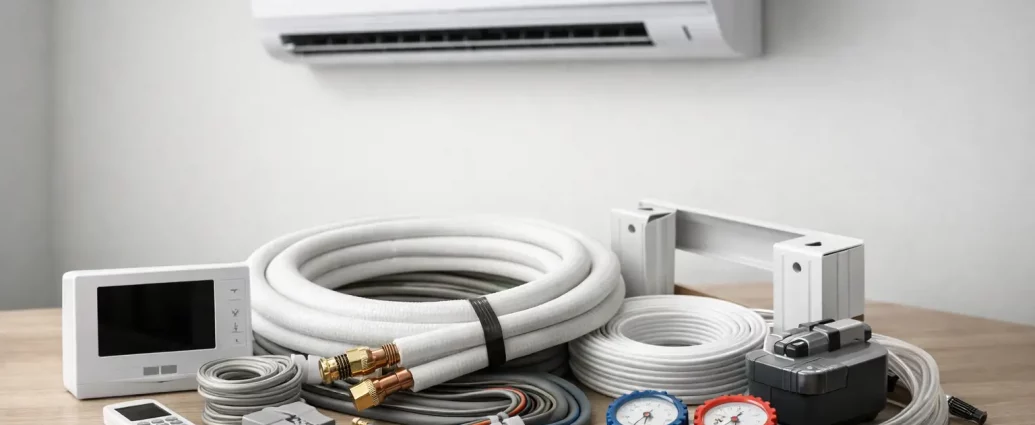
For many buyers, line sets are the first accessory to think about. With MRCOOL ductless systems, line set length and compatibility matter because they affect placement options and installation complexity. If the indoor and outdoor units need more distance than a standard package allows, you may need an extended line set or a different configuration. Too short, and the install becomes difficult. Too long, and you may pay for material you do not need.
Mounting hardware is another major category. Wall brackets, condenser pads, and other support options help position the outdoor unit safely and cleanly. In South Texas, this is not a small detail. Ground conditions, drainage, and exposure to the elements all play a role. A pad may be the right fit for one home, while a wall-mounted bracket may work better where clearance or flood concerns are part of the equation.
Drain accessories also deserve attention. Condensate management is easy to overlook until water starts showing up where it should not. Depending on the system location, gravity drainage may work fine, or a condensate pump may be needed. This is one of those areas where a quick guess can create long-term headaches.
Control upgrades worth considering
Many homeowners focus on heating and cooling capacity and forget that daily comfort often comes down to control. Thermostats, remotes, and wireless control accessories can make a real difference, especially if your schedule changes often or you are trying to manage comfort in specific rooms.
For MRCOOL Universal Series and central-style applications, thermostat compatibility should be checked early. Not every control option plays the same role, and not every upgrade adds useful value. If you want scheduling, remote access, or more precise temperature management, choose a control setup that fits both the equipment and the way you live.
For mini-splits, the question is usually less about whether a control is available and more about how much convenience you want. Some homeowners are perfectly happy with the included remote. Others want app-based access because they cool a workshop, garage apartment, or room addition only when needed. If that sounds like your setup, spending a bit more on better control can pay off in both comfort and energy savings.
Protection accessories are often worth the money
A good system is an investment, and protection accessories are often easier to justify than cosmetic upgrades. Surge protection is a strong example. Power fluctuations can happen anywhere, and protecting HVAC equipment from electrical issues is a practical move, especially during heavy seasonal demand.
Protective covers and guards can also make sense, but this is where context matters. Some covers are useful during off-seasons or for protecting exposed components. Others can restrict airflow if used incorrectly. That means the right answer depends on the equipment, placement, and how the accessory will actually be used.
Air filtration and indoor air quality add-ons may also fall into the protection category, depending on the system. If your household deals with dust, pets, or allergies, these upgrades may be more than a comfort feature. They can help support cleaner operation and more consistent airflow. Still, they should be matched carefully to the system rather than added just because they sound good on paper.
Appearance and cleanup items still matter
Some accessory choices are functional first, but they also improve the final look of the install. Line set covers are a good example. They protect exposed refrigerant lines and wiring while making the outside wall look more finished.
For homeowners who care about curb appeal or just do not want an exposed install running across siding or masonry, this is often money well spent. The same goes for trim pieces, mounting refinements, and routing accessories that help the job look intentional rather than improvised.
That said, appearance items should not come before core installation needs. If the budget is tight, prioritize compatibility, drainage, support, and protection first. A cleaner look is valuable, but not more valuable than proper performance.
What changes based on system type
DIY mini-split buyers
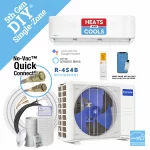
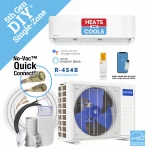
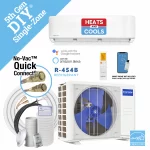
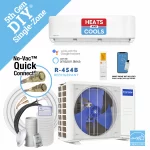
If you are buying a MRCOOL DIY system, accessories should be chosen with installation simplicity in mind. The biggest questions are usually line set length, mounting method, electrical needs, and condensate management. DIY buyers often appreciate accessories that reduce guesswork, but they also need to avoid assuming every add-on is plug-and-play.
This is also where local support matters. Many contractors want nothing to do with DIY equipment after the sale. If service, troubleshooting, or repair support matters to you, buy with that future reality in mind, not just the box contents.
Pro-grade mini-split and multi-zone buyers
With professional-grade systems, accessory planning tends to be more technical. Multi-zone systems may require more careful consideration around branch components, line lengths, zone control, and mounting layout. The accessory list is not necessarily longer, but compatibility matters more because one weak decision can affect several indoor units.
Central and Universal Series buyers
For larger whole-home applications, thermostat selection, air handlers, coils, filtration options, and installation hardware become more important. These systems often involve more moving parts, so accessories should support the complete setup rather than be chosen as isolated upgrades.
Common buying mistakes to avoid
The biggest mistake is buying accessories before confirming system compatibility. A close match is not the same as the correct match. Model-specific details matter.
Another common problem is underestimating installation conditions. Buyers may assume the included components will cover every scenario, then discover that the outdoor unit needs a different mounting approach or the drain route is more complicated than expected.
There is also the temptation to cut corners on smaller items. It is understandable. When you are already paying for major equipment, accessories can feel like an easy place to save. Sometimes that is true. Sometimes it creates a more expensive correction later. The smart move is to be selective, not simply cheap.
How to buy with more confidence
The best accessory purchase starts with a few practical questions. Where will the indoor and outdoor units go? How far apart are they? Will the setup need better drainage, weather protection, or smart controls? Is this a primary living area, a shop, a garage, or an addition with different comfort demands?
If you can answer those questions, you are already much closer to buying the right accessories instead of just buying more accessories. It also helps to work with a source that understands both the product line and the service side of ownership. That is especially useful in South Texas, where real-world installation conditions are rarely generic.
As an authorized MRCOOL dealer, Your Bargain Mart helps customers look beyond the main equipment and choose the accessories that support performance, clean installation, and long-term reliability. That kind of guidance matters when you want honest pricing, factory-backed confidence, and local support after the sale.
A good accessory should solve a real problem, protect your investment, or make daily comfort easier. If it does none of those, you probably do not need it. If it does, buying it up front is usually the cheaper and smarter move.