Does Salt Air Damage Condensers Near the Coast?
A condenser can look perfectly normal from the driveway while salt buildup is already working through the metal inside it. So, does salt air damage condensers? Yes. In Corpus Christi and along the South Texas coast, salt-laden moisture can shorten the useful life of an outdoor AC or heat pump unit if it is not selected, installed, and maintained with coastal conditions in mind.
- Does Salt Air Damage Condensers Near the Coast?
- Why Does Salt Air Damage Condensers?
- How Salt Air Damages Condensers
- Signs Salt Air Is Affecting Your AC Condenser: How to Protect Your AC If Salt Air Damages Condensers
- What Protects Condensers Near the Coast?
- Installation Choices That Help in Coastal South Texas
- When Repair Makes Sense and When Replacement Is Smarter
- A Coastal Maintenance Plan Is Cheaper Than a Surprise Failure
- Does Salt Air Damage Condensers Even When They Are New?
The concern is not that a condenser will fail the first time a sea breeze blows through. Corrosion is usually gradual. But once salt settles on coils, fins, cabinet panels, fasteners, and electrical connections, humidity keeps that residue active. The result can be weaker performance, higher repair costs, and a system that wears out sooner than a similar unit installed farther inland.
Why Does Salt Air Damage Condensers?
Salt air damages condensers because airborne salt particles settle on the outdoor unit and attract moisture. Over time, this combination of salt and humidity can accelerate corrosion on condenser coils, cabinet panels, fasteners, electrical connections, and other outdoor components. This is one reason homeowners living near the Gulf Coast often ask, “Does salt air damage condensers?” The answer is yes. Without regular maintenance and cleaning, coastal HVAC equipment may experience reduced efficiency and a shorter service life compared to similar systems located farther inland.
How Salt Air Damages Condensers
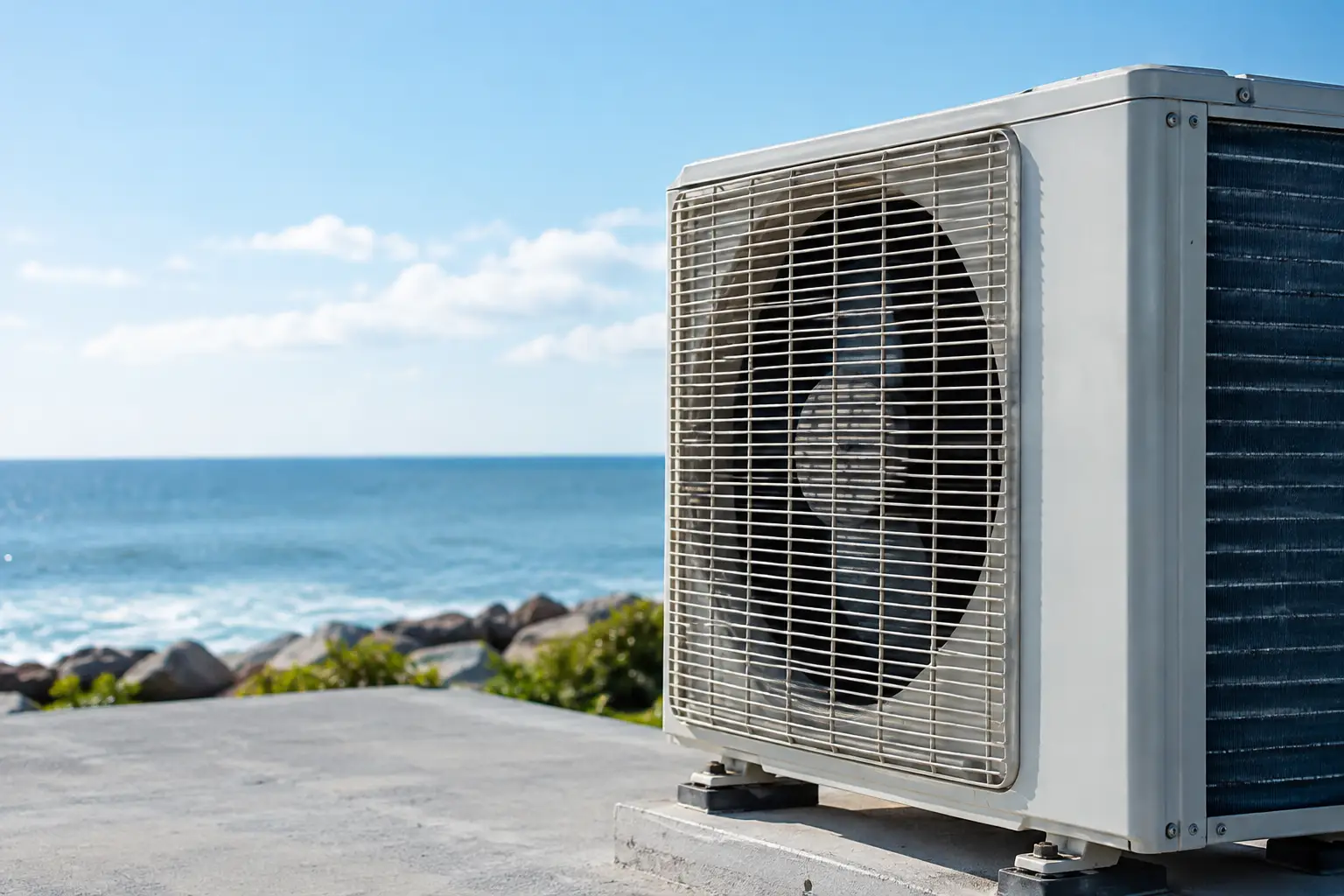
Your outdoor condenser is built to live outside, but standard equipment is not immune to a coastal environment. Salt particles travel inland with wind, especially during humid weather and storms. They land on the condenser coil and mix with moisture, creating an electrolyte that speeds up corrosion.
The coil is especially important. Its aluminum fins and copper tubing are responsible for releasing heat from your home. When corrosion attacks those surfaces, it can bend or deteriorate fins, reduce heat transfer, and eventually contribute to refrigerant leaks. A condenser that cannot efficiently reject heat has to run longer to cool the house, putting more strain on the compressor and increasing electric use.
Salt exposure also affects parts that homeowners may not see right away. Cabinet screws, brackets, fan guards, electrical terminals, disconnects, and coil supports can corrode over time. Rust or corrosion on a cabinet is not always an emergency, but it should never be dismissed as cosmetic without an HVAC inspection. Surface damage can be a sign that the coil or electrical components need attention too.
Why Does Salt Air Damage Condensers Faster Than Inland Equipment?
Homes closest to the Gulf generally see the strongest exposure, particularly on open lots with little protection from prevailing winds. Still, coastal corrosion is not limited to beachfront properties. Salt can travel miles inland, and Corpus Christi’s humidity keeps deposited salt active longer than it would be in a dry climate.
A unit placed on the windward side of the home, beside a saltwater canal, or near an area with limited airflow may experience heavier buildup. Storm season can add a concentrated dose of salt and debris. In short, there is no single safe distance where coastal maintenance stops being necessary.
Signs Salt Air Is Affecting Your AC Condenser: How to Protect Your AC If Salt Air Damages Condensers
A visual check can catch some problems early. Look for white, chalky residue on the coil, greenish corrosion around copper components, flaking paint, rusted hardware, or pitting on the cabinet. Bent fins and packed dirt can make the situation worse by restricting airflow and holding moisture against the coil.
Performance changes matter just as much. If your system runs longer than usual, struggles during the hottest part of the day, makes unfamiliar noises, or produces higher utility bills without another clear cause, it deserves a service visit. Those symptoms can have several causes, including low refrigerant, airflow restrictions, electrical trouble, or normal wear. On the coast, coil corrosion belongs on that list.
Do not rely on appearance alone. A coil can lose efficiency or develop a small leak before obvious external damage appears. A licensed technician can inspect refrigerant performance, electrical connections, drainage, airflow, and the actual condition of the coil rather than guessing from cabinet rust.
What Protects Condensers Near the Coast?
There is no maintenance step or product that makes a condenser completely salt-proof. The practical goal is to slow corrosion, maintain efficient heat transfer, and catch damage while repair is still reasonable.
Regular gentle rinsing is one of the most useful habits. With the power off, use a light flow of fresh water to rinse the outdoor coil and cabinet from top to bottom. This helps remove salt, dust, and grass clippings. Do not use a pressure washer. High pressure can flatten delicate coil fins, force water into electrical areas, and create a bigger airflow problem than the one you started with.
How often you rinse depends on exposure. A unit near the water may need attention every few weeks during humid or windy periods. Homes farther inland may do well with periodic rinsing and a more careful check after storms. If you are unsure, a local HVAC professional can recommend a schedule based on your location and equipment placement.
Professional maintenance adds the steps a hose cannot handle. A proper coastal service visit can include coil cleaning with an approved product when needed, inspection of fins and refrigerant lines, tightening and evaluating electrical connections, checking the capacitor and contactor, clearing debris, and verifying that the system is operating within specifications. This service is especially valuable before the long South Texas cooling season puts maximum demand on the unit.
Are Coil Coatings Worth It?
Factory-applied coastal coatings and approved aftermarket protective coatings can be worthwhile for equipment exposed to frequent salt spray. These coatings create a barrier between the metal and the corrosive environment. They are often a smart consideration when replacing a condenser at a coastal home, rental property, shop, or garage where equipment will see long-term exposure.
There are trade-offs. Coatings vary by manufacturer and application quality, and an improper coating can interfere with heat transfer or complicate future service. They also do not replace cleaning and maintenance. Before applying anything to a coil, confirm that it is approved for that equipment and will not affect the manufacturer’s warranty.
Equipment selection matters as well. A properly sized, energy-efficient heat pump or air conditioner can help manage operating costs, but no brand or efficiency rating eliminates corrosion risk. The right system for a Corpus Christi home should account for cooling load, installation quality, airflow, service access, warranty coverage, and the property’s coastal exposure.
Installation Choices That Help in Coastal South Texas
Where and how the condenser is installed can influence how well it holds up. The unit needs adequate clearance for airflow and service access. Crowding it into a tight corner or surrounding it with dense shrubs traps debris and moisture, making maintenance harder.
A raised, stable pad helps keep the condenser out of standing water and allows the cabinet to drain properly. Secure mounting and properly protected electrical connections are also important in high-wind coastal areas. A fence or landscape screen may reduce direct wind exposure, but it must be positioned far enough away that it does not restrict airflow. A solid enclosure built too close to the unit can increase energy use and shorten compressor life.
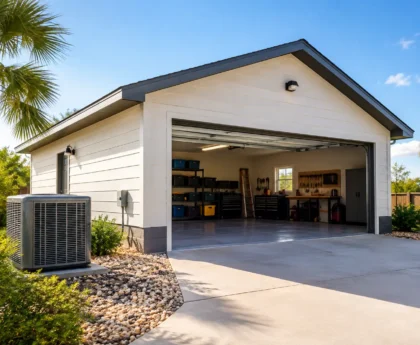
For homeowners adding comfort to a garage, room addition, workshop, or detached space, ductless mini-splits can offer flexible placement options. Their outdoor units still need coastal care. Choosing a protected but ventilated location and planning for easy coil cleaning can make future maintenance much simpler.
When Repair Makes Sense and When Replacement Is Smarter
Not every corroded condenser needs immediate replacement. If the coil is sound, performance is normal, and corrosion is limited to hardware or surface areas, maintenance and targeted repairs may extend the unit’s life. Replacing a corroded disconnect, cleaning a coil, correcting drainage, or addressing damaged fins can be a practical investment.
Replacement becomes more likely when corrosion has caused repeated refrigerant leaks, significant coil deterioration, damaged electrical components, or an expensive compressor problem. Age matters too. Putting major money into an older, inefficient condenser can be difficult to justify, particularly if the indoor equipment is also nearing the end of its service life.
A good recommendation should be based on the actual condition of your system, not a one-size-fits-all sales pitch. Your Bargain Mart helps South Texas homeowners compare dependable MRCOOL equipment options with honest pricing, proper sizing guidance, licensed installation through Precision Air, and ongoing support for both professionally installed and DIY systems.
A Coastal Maintenance Plan Is Cheaper Than a Surprise Failure
Salt air is part of life near the Texas coast, but it does not have to dictate the life of your HVAC system. Keep the area around the condenser clear, rinse away salt residue gently, schedule professional maintenance, and investigate changes in cooling performance early. A few practical habits can protect comfort during the hottest months and give you more control over when, not whether, you have to make a major HVAC decision.
Does Salt Air Damage Condensers Even When They Are New?
Yes, salt air can accelerate the corrosion of HVAC components, even in new units. Regular maintenance is essential to mitigate these effects and extend the lifespan of your system. Installing protective barriers or using coatings designed for coastal environments can further safeguard your equipment. Homeowners should also consider investing in models specifically engineered to withstand harsh coastal conditions. By taking proactive measures, you can ensure reliable performance and avoid costly repairs down the line.
Does Salt Air Damage Condensers?u003cbru003e
Yes. Salt air can damage condensers by accelerating corrosion on outdoor HVAC components. Coastal environments expose equipment to airborne salt particles that can cling to condenser coils and metal surfaces. Routine cleaning, inspections, and preventive maintenance can help reduce long-term damage.
How Quickly Does Salt Air Damage Condensers?u003cbru003e
The rate at which salt air damages condensers depends on distance from the coast, weather conditions, equipment design, maintenance habits, and protective coatings. Units located closer to saltwater exposure generally face greater corrosion risks than similar equipment farther inland.
Can You Prevent Salt Air From Damaging Condensers?u003cbru003e
While you cannot completely eliminate exposure, homeowners can help reduce corrosion through routine cleaning, coil inspections, protective coatings, proper installation practices, and regular professional HVAC maintenance.
Does Salt Air Damage Condensers More Than Other HVAC Components?u003cbru003e
Condenser coils and outdoor components are typically the most exposed parts of an HVAC system. Because they remain outdoors year-round, they often experience greater contact with salt-laden air than indoor components.
Coastal homeowners frequently ask, “Does salt air damage condensers?” Unfortunately, the answer is yes. Salt exposure, humidity, and coastal weather conditions can accelerate corrosion and affect long-term HVAC performance. Understanding why salt air damages condensers and taking steps to protect outdoor equipment can help improve reliability, maintain efficiency, and extend the lifespan of your air conditioning system.
Further reading: Does salt air damage condensers on investopedia.com.