Energy efficient cooling and heating systems help homeowners reduce energy waste, lower utility bills, and maintain consistent comfort year‑round.
If your electric bill spikes every summer or your home still has hot and cold spots after the system runs all day, the problem usually is not just the weather. In South Texas, energy efficient cooling and heating systems matter because your equipment works hard for long stretches, and older or poorly matched units waste money fast.
For homeowners in Corpus Christi and nearby areas, efficiency is not just about buying a newer box and hoping for the best. It is about choosing the right type of system, getting the sizing right, and making sure you have local support after the sale. That matters even more if you are comparing central air, heat pumps, furnaces, air handlers, or ductless options for a garage, room addition, or whole-home upgrade.
What makes energy efficient cooling and heating systems more efficient?
An efficient HVAC system uses less electricity or fuel to deliver the same comfort. That sounds simple, but several things affect real-world performance. The equipment rating matters, of course, but so do installation quality, duct condition, insulation, thermostat settings, and whether the system is oversized or undersized.
In this market, many homeowners focus only on the upfront price. That is understandable. But the lowest purchase price can become the highest long-term cost if the system short-cycles, struggles in peak heat, or runs constantly without properly removing humidity.
A truly efficient setup usually includes high-efficiency equipment, proper sizing, good airflow, and a design that fits how the space is actually used. A detached shop has different needs than a two-story home. A bonus room with weak duct coverage is a different problem than an aging central unit cooling the entire house.
Choosing energy efficient cooling and heating systems for South Texas
South Texas puts HVAC equipment under real pressure. Long cooling seasons, heavy humidity, and high demand during the hottest months can expose weak equipment fast. That is why a system that looks good on paper may not be the best value if it is not matched to the property and local conditions.
Heat pumps are often a strong option here because they provide both cooling and heating in a single system and can be very efficient in a mild-to-hot climate. For many homeowners, that means simpler equipment and lower operating costs compared with older, less efficient systems.
Central systems still make sense for many homes, especially when the ductwork is in good shape, and the goal is whole-house comfort from a single setup. But ductless mini-splits can be a better fit for certain situations, especially room additions, converted garages, workshops, upstairs problem rooms, and homes where running new ductwork would be expensive or impractical.
That is where the trade-offs matter. Central air can deliver a familiar whole-home solution, but leaky ducts can reduce efficiency. Ductless systems avoid that issue and offer zone control, but the best fit depends on layout, budget, and how many areas need conditioning.
Central systems, heat pumps, and mini-splits
Homeowners often ask which option is most efficient. The honest answer is that it depends on the space and the goal.
Central air and furnace combinations
A traditional split system with an air conditioner and furnace can still be a solid choice, particularly if your home already has a functional duct system. If the ducts are sealed well and the equipment is properly sized, this setup can be dependable and cost-effective.
The downside is that older duct systems often waste conditioned air. If you are replacing only the outdoor unit while leaving major airflow problems untouched, you may not get the energy savings you expected.
Heat pump systems
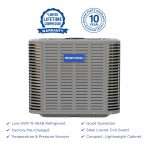
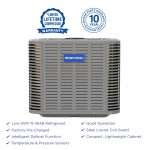
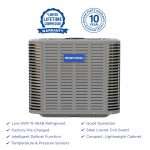
Heat pumps are one of the most practical energy efficient cooling and heating systems for many South Texas homes. They cool in summer and reverse operation to provide heat when temperatures drop. In a region that does not see extreme winter conditions for long periods, that can be a smart and efficient fit.
Modern heat pumps have come a long way in performance. For homeowners who want fewer system components and lower utility costs, they are worth serious consideration.
Ductless and multi-zone mini-splits
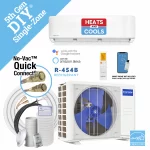
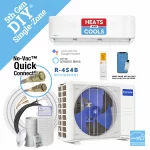
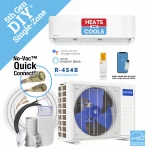
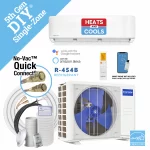
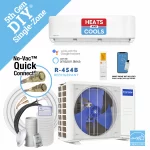
Mini-splits are popular for a reason. They offer targeted comfort, high efficiency, and flexibility. If you have a garage gym, a home office addition, a guest room, or a shop that never stays comfortable, a ductless system can solve that without forcing your main system to overwork.
Multi-zone systems add another layer of control by letting different rooms operate independently. That can reduce waste when some areas are used less often. It also helps families who never agree on one thermostat setting.
Why proper sizing matters more than most people realize
A bigger unit is not automatically better. In fact, oversizing is one of the most common ways efficiency gets lost.
An oversized system can cool the air quickly and shut off before it removes enough humidity. That leaves the house feeling clammy even when the thermostat says the temperature is right. An undersized system has the opposite problem. It runs too long, struggles to keep up, and puts extra wear on components.
Proper sizing should reflect square footage, insulation, ceiling height, window exposure, occupancy, and how the space is used. A sun-loaded room addition in Corpus Christi does not behave the same way as an interior bedroom. This is why real guidance matters when you are shopping, especially if you are comparing DIY-friendly equipment with professionally installed systems.
Where homeowners save the most money
The biggest savings usually come from matching the equipment to the job instead of overbuying or underbuying. Higher-efficiency systems can reduce monthly costs, but the best return depends on how often the system runs, your current utility rates, and the condition of the rest of the home.
If you are replacing a very old unit, the difference can be significant. If your current system is only moderately outdated, the payoff may depend more on solving duct leakage, poor airflow, or comfort problems in specific rooms.
This is also where zoned comfort can make a lot of sense. There is no reason to push conditioned air into every part of a home or property at the same level if some areas are rarely used. A ductless upgrade for one problem space can sometimes be a better investment than forcing a central system to do everything.
Support after the sale is part of efficiency
A system is only efficient when it keeps operating the way it was intended to. That means parts availability, warranty support, service access, and having someone local who will actually work on the equipment.
This is a major concern for buyers looking at online HVAC equipment, especially DIY systems. A lower internet price does not help much if no one nearby will service the unit later. For many homeowners, that is where buying through a trusted local dealer makes more sense than taking a gamble on a one-time transaction.
Your Bargain Mart stands out here because it combines honest pricing with local product guidance, licensed installation support through Precision Air, and ongoing service for both pro-grade and DIY MRCOOL systems. That last part matters. A lot of companies are happy to sell equipment. Far fewer are willing to support it after installation, especially if the homeowner handled part of the process.
When a DIY system makes sense and when it does not
DIY mini-splits can be a smart option for the right homeowner and the right application. They are especially appealing for garages, workshops, bonus rooms, and other focused spaces where a full central expansion does not make financial sense.
But DIY is not always the best choice. If the project involves multiple zones, complicated electrical work, or a large whole-home application, professional installation may save time, reduce mistakes, and protect long-term performance. There is no shame in wanting expert help, especially when equipment cost, comfort, and warranty protection are all on the line.
The better question is not whether DIY is good or bad. It is whether the system and space are a good match for that approach.
How to shop smarter for an efficient system
Start with the space, not the brand label alone. Think about whether you need whole-home replacement, targeted comfort in one area, or a flexible upgrade that works with your existing setup. Then look at efficiency ratings, system type, and how much local support you will have once the equipment is installed.
Ask practical questions. Who is helping with sizing? Who installs it? Who services it later? Is the warranty factory-backed? Can you get support locally if something is not working right? Those answers often tell you more than a marketing brochure.
The right HVAC purchase should lower stress, not add to it. Good equipment matters, but so does buying from people who know the climate, understand the product line, and will still be there when you need help.
If you are comparing energy efficient cooling and heating systems for your home, addition, garage, or shop, the best choice is usually the one that balances efficiency, honest pricing, and dependable local support – not just the one with the loudest sales pitch
| System Type | Best For | Efficiency Level | Key Advantages | Potential Drawbacks |
|---|---|---|---|---|
| Central AC + Furnace | Whole‑home cooling/heating | Moderate | Familiar setup, uses existing ducts | Duct losses reduce efficiency; older ducts waste energy |
| Heat Pump System | Most South Texas homes | High | Heats + cools, lower utility bills, fewer components | Needs proper sizing; may require duct updates |
| Ductless Mini‑Split | Garages, additions, shops, problem rooms | Very High | No ducts, zone control, inverter efficiency | Higher upfront cost; visible indoor units |
| Multi‑Zone Mini‑Split | Homes with uneven comfort or multiple rooms | Very High | Independent room control, excellent humidity removal | More complex installation; higher equipment cost |
FAQ — Energy Efficient Cooling and Heating Systems
What are energy efficient cooling and heating systems?
They are HVAC systems designed to reduce energy waste while maintaining steady indoor comfort. Examples include heat pumps, ductless mini‑splits, and high‑SEER central systems.
Do energy efficient cooling and heating systems really lower utility bills?
Yes. Because they use inverter technology and smarter airflow control, they run longer at lower speeds, which reduces energy consumption and monthly costs.
Are heat pumps more efficient than traditional AC units?
In most South Texas homes, yes. Heat pumps provide both cooling and heating with higher efficiency, especially during mild winter months.
Is a ductless mini‑split more efficient than central air?
Often it is. Mini‑splits avoid duct losses, offer zone control, and use variable‑speed compressors that adjust output to match the room’s needs.
How do I know what size system I need?
Proper sizing depends on room size, insulation, sun exposure, and humidity. Oversizing or undersizing reduces efficiency, so a professional load calculation is recommended.
Do energy efficient cooling and heating Systems help with humidity control?
Yes. Inverter‑driven systems run longer, lower‑speed cycles that remove more moisture from the air, improving comfort in humid climates like South Texas.
Looking for Energy Efficient Cooling and Heating Systems in Corpus Christi? Your Bargain Mart is the Authorized MRCOOL Dealer serving Corpus Christi and the surrounding South Texas area. Whether you need a high‑efficiency heat pump, a ductless mini‑split for a garage or addition, or guidance on choosing the right system for your home, we provide:
- Local delivery and support
- Professional installation through Precision Air
- Warranty‑safe service
- Honest sizing and product recommendations
- Fast help when you need it
Call us at 361‑271‑3513 to get expert guidance or schedule installation.