
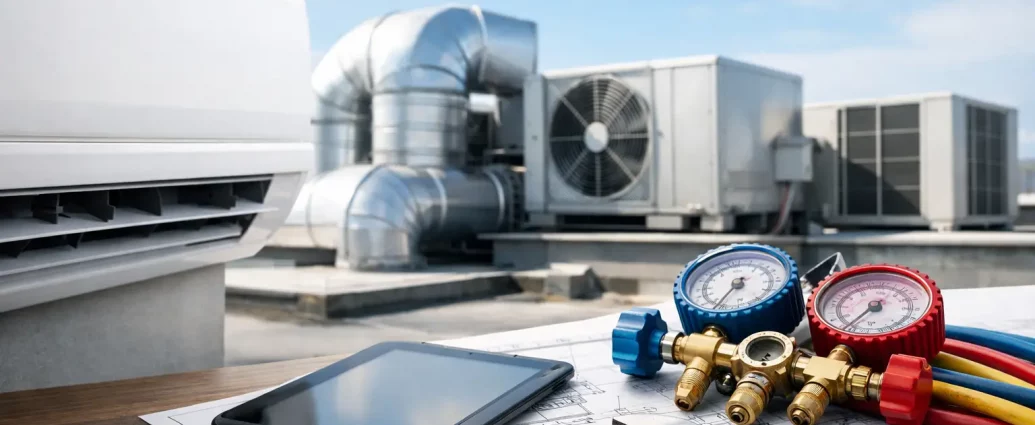
If your current system struggles every summer, runs up the electric bill, or leaves half the house sticky and uncomfortable, buying another unit without a plan can get expensive fast. This guide to HVAC system selection is built for South Texas homeowners who want the right system the first time – not a sales pitch, not a guess, and not equipment that looks good on paper but performs poorly in real conditions.
- What matters most in HVAC system selection
- Guide to HVAC system selection by home type
- Sizing is where good HVAC choices are won or lost
- Efficiency ratings matter, but not in isolation
- Don’t ignore the ductwork, thermostat, and indoor components
- Service support should influence the system you buy
- How to narrow down the right choice
In Corpus Christi and across South Texas, HVAC choices are not just about cooling power. Salt air, long cooling seasons, humidity, older ductwork, room additions, garage conversions, and uneven insulation all affect what system makes sense. The best setup for one home may be the wrong one for the house next door, even if they have similar square footage.
What matters most in HVAC system selection
The biggest mistake homeowners make is shopping by tonnage or price alone. A bigger unit is not always better, and the lowest upfront cost can turn into higher monthly bills, uneven temperatures, and more repair calls.
A good HVAC decision starts with how the home is actually used. A retired couple who keep a steady indoor temperature all day may need something different from a family that leaves for work and school and wants stronger recovery in the afternoon. If one bedroom stays warm, if a sunroom was added later, or if a garage workshop needs its own cooling, that changes the conversation.
The goal is simple: choose a system that fits the space, handles humidity well, matches your budget, and can be supported locally after the sale.
Guide to HVAC system selection by home type
Central air and heat pump systems for whole-home comfort
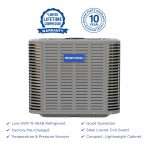
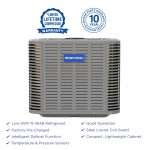
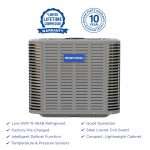
For homes with existing ductwork in decent shape, a central system is often the most familiar option. This can include straight cool with heat strips, a furnace and AC combination, or a heat pump setup. In South Texas, heat pumps make a lot of sense because winters are generally mild and cooling demand is far higher than heating demand.
A properly matched heat pump can give you efficient year-round comfort without needing a separate gas furnace in many homes. That said, if you already have a furnace in good condition or prefer that style of heating, replacing the cooling side only may still be the better value. It depends on the age of the equipment, your utility costs, and whether the indoor components are compatible.
Central systems are usually the right fit when you want one solution for the full house and your duct system is not causing major airflow problems. If ducts are leaking, undersized, or routed poorly, even a high-efficiency condenser may not solve the comfort issue by itself.
Ductless mini-splits for additions, garages, and problem rooms
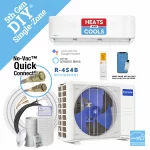
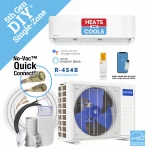
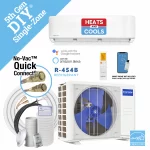
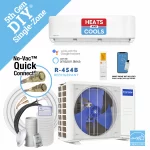
Mini-splits work especially well when ducts are not practical or when only part of the property needs conditioning. That makes them a strong option for room additions, garages, workshops, older homes, converted spaces, and households dealing with hot or cold spots.
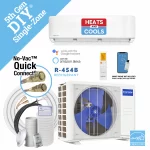
For some homeowners, a single-zone ductless system is the cleanest answer. You cool the area that needs it without forcing the entire home system to work harder. For others, a multi-zone setup makes sense when several rooms need independent control.
This is also where installation style matters. Some buyers want a professional-grade ductless system installed by a licensed team. Others prefer a DIY-friendly option, especially if they are comfortable handling part of the work themselves. The key is knowing whether local service will still be available later. That part gets overlooked until something needs attention.
Hybrid approaches for homes that do not fit a standard box
Some properties need more than one strategy. A central heat pump may handle the main house, while a ductless system serves a new addition or detached workspace. That can be more practical than trying to resize the whole-home system around one difficult area.
This type of setup often gives better comfort and better cost control than forcing a single system to do everything. It also helps when parts of the home have very different usage patterns.
Sizing is where good HVAC choices are won or lost
If there is one part of a guide to HVAC system selection that deserves extra attention, it is sizing. Too small, and the system may run constantly and still struggle in peak summer heat. Too large, and it may cool too quickly without removing enough humidity, leaving the house cold but clammy.
Square footage is only the starting point. Ceiling height, window exposure, insulation levels, occupancy, duct layout, and air leakage all matter. So does orientation. A west-facing room in Corpus Christi can take a beating in the afternoon that another room of the same size never sees.
That is why honest sizing support matters more than broad rule-of-thumb estimates. A homeowner may think they need the same size unit they had before, but if the previous system was oversized or the house has changed over time, repeating that choice can repeat the same problems.
Efficiency ratings matter, but not in isolation
Higher efficiency equipment can reduce operating costs, especially in a region where air conditioning runs hard for much of the year. But efficiency should be weighed against total installed value, not treated like the only number that matters.
For example, upgrading to a very high-efficiency system may not pay off as quickly if the home has major duct leakage or poor insulation. In that case, a solid mid-to-high efficiency system combined with airflow improvements could be the smarter investment.
Variable-speed and inverter-driven equipment can also improve comfort because they adjust output more gradually instead of cycling fully on and off. That often means steadier temperatures, quieter operation, and better humidity control. Still, not every household needs the most advanced option. If your priorities are dependable performance, honest pricing, and manageable repair costs, a simpler system may be the better fit.
Don’t ignore the ductwork, thermostat, and indoor components
Homeowners sometimes focus only on the outdoor unit because that is the part they can see. But HVAC performance depends on the whole system working together. The air handler, coil, furnace or electric heat package, thermostat, refrigerant match, and duct condition all affect results.
A new condenser connected to an aging or mismatched indoor setup can limit efficiency and shorten equipment life. Leaky ducts can waste conditioned air in the attic before it ever reaches the room you are trying to cool. A basic thermostat may also leave comfort and control on the table if the equipment is capable of more.
This is one reason system selection should be handled as a complete decision, not a piece-by-piece purchase unless there is a clear reason for a partial replacement.
Service support should influence the system you buy
A lot of equipment looks similar online. The real difference often shows up after the sale. Who will help with sizing? Who will install it correctly? Who will answer the phone if it stops working in August? Who will service the system if it is a DIY model that many companies will not touch?
That is where local accountability matters. Buying from an authorized dealer with factory-backed warranties and real service access gives homeowners more protection than chasing the cheapest listing they can find. Your Bargain Mart serves South Texas customers who want that support, including help with MRCOOL systems, licensed installation options, and ongoing service many buyers cannot get from distant sellers.
How to narrow down the right choice
Start with the problem you are trying to solve, not the product name. Are you replacing a full system, conditioning a single room, lowering energy costs, fixing uneven temperatures, or adding comfort to a garage or addition? Once that is clear, the options become much easier to sort.
Then look at the condition of the home itself. If the ductwork is good and the whole house needs an update, a central solution may be the cleanest path. If one area is underserved or separate from the main home, ductless may be the better answer. If the house has mixed needs, a combination approach may give you better comfort than either option alone.
Finally, match the equipment to your expectations. Some homeowners want the lowest upfront cost that still comes from a trusted brand. Others are willing to invest more for inverter technology, quieter operation, or room-by-room control. Neither approach is wrong. The right choice is the one that fits the home, the climate, and the level of support you expect after installation.
A good HVAC system should feel like a solution, not another project waiting to happen. When the sizing is right, the equipment fits the space, and local support is part of the purchase, you can stop second-guessing and start getting the comfort you paid for.
Further reading: Guide to hvac system selection on reuters.com.
In short, guide to hvac system selection rewards a careful, informed approach. Use this guide to hvac system selection guide as a starting framework, adapt it to your situation, and re-check the facts whenever the topic moves.