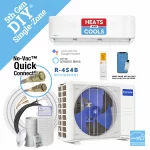

A heat pump that suddenly stops keeping your Corpus Christi home comfortable can be frustrating, especially when South Texas heat is putting it to work. Before assuming the system has failed, learn how to troubleshoot heat pump issues safely by checking the simple causes first. A thermostat setting, dirty filter, tripped breaker, or blocked outdoor unit can create symptoms that look much more serious than they are.
The goal is not to take apart the system or attempt refrigerant work. It is to rule out basic operating problems, protect your equipment from further strain, and know when a licensed HVAC technician should take over.
Start With the Thermostat and Power
Begin indoors. Make sure the thermostat is set to the correct mode – Cool for air conditioning, Heat for heating – and that the temperature setting calls for the system to run. In cooling mode, set it several degrees below the current room temperature. In heating mode, set it above the room temperature.
If the thermostat screen is blank, replace the batteries if it uses them. A blank screen can also point to a tripped breaker, a blown low-voltage fuse, or a wiring issue. Do not remove the thermostat from the wall or bypass wiring to test it. Those steps are better left to a professional.
Next, check your electrical panel. Heat pumps often use separate breakers for the indoor air handler and outdoor condenser. If a breaker has tripped, move it fully to OFF and then back to ON once. If it trips again, leave it off and schedule service. Repeated trips can indicate a short, a failing component, or an electrical problem that should not be ignored.
Also check the exterior disconnect box near the outdoor unit. It should be in the ON position. If you are unsure how it operates, do not force it.
Check Airflow Before Assuming a Major Repair
Poor airflow is one of the most common reasons a heat pump runs too long, cools unevenly, or seems unable to reach the thermostat setting. Start with the air filter. A clogged filter restricts air moving across the indoor coil, raises energy use, and can eventually cause the coil to freeze.
Replace a visibly dirty disposable filter with the correct size and type. If your system uses a washable filter, clean it, let it dry completely, and reinstall it properly. In a humid coastal climate, checking the filter monthly is a practical habit, particularly during heavy summer use.
Walk through the house and make sure supply vents are open and not blocked by furniture, rugs, or curtains. Check return grilles as well. Closing too many vents does not make other rooms cooler or warmer. It can reduce system airflow and create pressure problems.
If airflow is weak from every vent but the blower is running, the issue may be beyond the filter. A dirty indoor coil, failing blower motor, duct leak, or ductwork restriction may need inspection. If only one room has poor airflow, the problem could be a duct branch, damper, or room-specific sizing concern.
Inspect the Outdoor Unit Safely
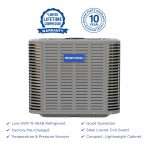
Your outdoor heat pump needs open space to move heat effectively. Turn the thermostat off before looking closely at the unit. Remove leaves, grass clippings, loose debris, and other material from around the cabinet. Keep shrubs and stored items at least a couple of feet away so air can circulate.
Look for obvious issues: a damaged grille, a unit buried in vegetation, or a fan that does not run while the system is calling. Do not insert anything through the grille, straighten coil fins with sharp tools, or remove electrical panels.
In cooling mode, the outdoor unit should release warm air. In heating mode, it pulls heat from outdoor air, so the air around it may feel cooler. That difference is normal. What is not normal is loud metal-on-metal noise, a burning smell, visible smoke, or a fan that repeatedly starts and stops. Turn the system off and call for service if you notice any of those signs.
Understand Ice and Defrost Cycles
A light layer of frost on the outdoor coil during heating operation can be normal. Heat pumps periodically enter a defrost cycle to clear that frost. During defrost, you may hear a change in sound, see steam rising from the outdoor unit, or notice the indoor fan pause briefly. Those are generally normal operating behaviors.
Thick ice that covers the coil, fan area, or cabinet is different. Shut the system off at the thermostat and avoid chipping ice away. Hard tools can damage delicate coil fins and refrigerant tubing. Check the filter and make sure the outdoor unit is clear, but persistent ice needs a technician. It can be caused by low refrigerant, a defrost control issue, restricted airflow, or a failing sensor.
In Corpus Christi, freezing outdoor conditions are less frequent than in many parts of the country, but defrost performance still matters during cold snaps. A heat pump that will not heat when temperatures dip may have a backup heat, controls, or equipment-sizing issue that deserves a proper evaluation.
When the Heat Pump Runs but Does Not Cool or Heat Well
A system can be running without delivering enough comfort. First, give it time. After changing the thermostat setting, wait 10 to 15 minutes for the equipment to cycle and stabilize. Then compare the air coming from several supply vents. In cooling mode, it should feel noticeably cooler than the room. In heating mode, heat-pump air is often warm rather than furnace-hot. That is normal because heat pumps deliver steady, lower-temperature heat.
If the air is room temperature, check the filter, thermostat, breakers, and outdoor unit again. Also make sure doors and windows are closed. A poorly sealed garage, workshop, or room addition can overwhelm even properly operating equipment.
A refrigerant problem is possible when cooling is weak, the coil freezes, or the system runs constantly. But refrigerant is not a do-it-yourself adjustment. Heat pumps are sealed systems. Adding refrigerant without finding and repairing a leak is not a real fix, and improper handling can damage equipment and void warranty coverage.
Watch for Drainage Problems in Cooling Season
During humid weather, your indoor system removes a significant amount of moisture from the air. That water exits through a condensate drain line. If the drain clogs, you may see water near the air handler, a wet ceiling below an attic installation, musty odors, or a system that shuts down because a safety float switch has activated.
Turn the system off if water is actively leaking. Check for a full drain pan or an obvious disconnected drain line, but do not keep resetting a safety switch without correcting the cause. Water damage can become expensive quickly, and a professional can clear the drain, inspect the pan, and verify that the system is draining correctly.
Know When to Stop Troubleshooting
Homeowner checks can solve simple problems, but certain symptoms call for fast local service. Turn the system off and arrange professional help if you have repeated breaker trips, burning odors, persistent loud noises, thick ice, water leaks, no airflow, or a system that will not maintain temperature after the basic checks.
It is also wise to call before a small performance issue becomes a compressor or coil failure. A seasonal maintenance visit can catch dirty coils, worn capacitors, drain concerns, and electrical issues before they leave you without cooling in the middle of summer.
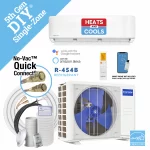
For MRCOOL owners, Your Bargain Mart provides practical South Texas support for both professionally installed and DIY systems, including service when many contractors may decline the work. Keep your model number, installation details, and any error code ready before scheduling. That information helps narrow down the issue faster.
A heat pump is built to provide efficient comfort year-round, but it depends on clean airflow, stable electrical power, and proper maintenance. Start with the safe checks, resist the urge to force a repair, and get qualified help when the symptom points beyond the basics. That approach protects your comfort, your investment, and your warranty.