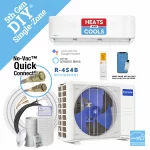
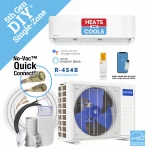
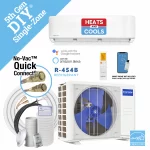
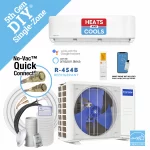

Buying a new heating and cooling system is a big enough decision without getting tripped up by paperwork afterward. This guide to MRCOOL warranty registration is here to make that part simple, so you can protect your factory-backed coverage and avoid the common mistakes that create headaches later.
For many South Texas homeowners, warranty registration feels like one of those tasks you will handle tomorrow. Then tomorrow turns into next week, and next week turns into a forgotten email or missing serial number. When that happens, the risk is not just annoyance. It can affect how smoothly a future parts claim goes and whether your equipment records are easy to verify when service is needed.
Why MRCOOL warranty registration matters
Warranty registration is not the flashy part of buying HVAC equipment, but it is one of the most practical steps you can take after purchase or installation. A registered system gives you a cleaner paper trail. That matters if a part fails, if you need warranty support, or if you want confidence that your equipment details are documented correctly.
It also helps reduce confusion about when coverage starts and which product was installed. That is especially useful with systems like mini-splits, heat pumps, air handlers, condensers, and multi-component setups where model numbers can get mixed up. If your system includes indoor and outdoor units, accuracy matters.
The other reason registration matters is simple – people tend to need warranty documents when something goes wrong, not when everything is working fine. By then, tracking down invoices, model numbers, installation dates, and product details can be more difficult than it should be.
A practical guide to MRCOOL warranty registration
The best time to complete registration is right after installation or right after delivery if your product instructions call for owner registration following purchase. Waiting usually creates more room for error. Boxes get tossed, stickers wear off, and emails disappear.
In most cases, you will want to gather your key product information before you start. That generally includes the model number, serial number, date of purchase, and installation date. If your unit was professionally installed, keep the installer information and invoice close by. If it is a DIY system, keep your order details and product records organized in one place.
MRCOOL product lines can vary, so the exact registration process may depend on the equipment type and the warranty terms attached to that series. A central ducted system may not be handled exactly the same way as a DIY mini-split. That is why reading the warranty documentation that came with your specific unit still matters, even if the registration itself seems straightforward.
Information to have ready before you start
Most homeowners move faster through registration when they prepare first instead of hunting for details mid-process. You will typically need your contact information, product model number, serial number, place of purchase, and the relevant dates tied to purchase or installation.
It is smart to take clear photos of the data plates on the equipment and save digital copies of your invoice. That gives you backup if the label becomes hard to read later. In coastal areas like Corpus Christi, where heat, humidity, and everyday wear can take a toll on equipment surfaces, having a photo record is a practical move.
Where people get stuck
The biggest problems are usually small ones. A serial number gets entered with one digit off. A homeowner registers only the outdoor unit but forgets the matching indoor component. The installation date and purchase date get swapped. None of these mistakes seem major in the moment, but they can slow things down later.
Another common issue is assuming the installer or seller automatically handled registration. Sometimes they did. Sometimes they did not. It depends on the purchase arrangement, the equipment, and the service process. If you are not sure, verify it. A two-minute check is better than finding out during a warranty claim that the registration was never completed.
What to watch for with DIY and professionally installed systems
This is where a guide to MRCOOL warranty registration needs to be honest – the process can look similar on the surface, but the supporting documents behind it may differ.
With professionally installed equipment, you may have an invoice that clearly shows the installing contractor, install date, and system details. That usually makes your documentation cleaner. With DIY systems, the product may be designed for homeowner installation, but you still need to keep your records just as carefully. Your purchase confirmation, serial numbers, and setup details matter.
That does not mean DIY owners are at a disadvantage. It just means recordkeeping becomes more important. If you installed the system yourself, make sure you save product documentation and any registration confirmation you receive. Print it, save it digitally, and keep it with your home records.
Common mistakes that can affect warranty support
Most warranty issues are not caused by the equipment itself. They start with missing information. If you want to avoid delays, watch out for a few common errors.
First, do not assume one document covers everything. Your receipt proves purchase, but it may not show all the equipment details. Your registration confirmation proves submission, but it may not replace your invoice. Keep both.
Second, do not rely on memory for model and serial information. HVAC equipment numbers are too easy to transpose. Use photos and copy directly from the label.
Third, do not ignore registration deadlines if your product warranty includes them. Warranty terms often depend on timing, and missing that window can create unnecessary problems.
Fourth, keep the full system in mind. If your setup has multiple indoor heads, matching components, or accessories tied to the installation, make sure your records reflect the actual equipment installed.
What happens after registration
Once you complete the process, do not treat it as finished until you confirm you have proof. Save any confirmation email, screenshot, or reference number tied to the registration. If you do not receive confirmation, follow up rather than assuming it went through.
It also helps to keep one HVAC file for your home. Store the registration confirmation, purchase receipt, installation paperwork, model numbers, serial numbers, and service records together. If a warranty question comes up later, that file can save time and stress.
This is also useful if you sell your home. Organized HVAC records can give the next owner more confidence in the system and make your property documentation look more complete.
When to ask for help
If the equipment details are confusing, the model numbers do not seem to match, or you are unsure whether registration has already been completed, ask before guessing. HVAC paperwork can get complicated fast, especially with multi-zone systems or mixed indoor and outdoor components.
That is one reason local support matters. Working with an authorized dealer that understands MRCOOL products can make a real difference, especially if you are trying to confirm the right equipment information or sort out what applies to your setup. For homeowners in Corpus Christi and nearby South Texas communities, that kind of practical help beats generic advice from a call center.
Your Bargain Mart supports customers who want real answers, honest pricing, and service continuity after the sale, including homeowners with MRCOOL DIY equipment that many contractors will not touch. That kind of support matters most when you need clarity, not a sales pitch.
Final tips for a smoother registration process
Treat warranty registration like part of the installation, not an optional extra. Do it early, use exact equipment details, and save every confirmation you receive. If anything about the product information seems off, stop and verify it before submitting.
A little organization on the front end can make a big difference later. When your system is registered correctly and your records are in order, you are in a much better position if you ever need warranty support, parts verification, or service help down the road.
The best time to protect your equipment coverage is when everything is new, the details are easy to find, and the process is still simple.