





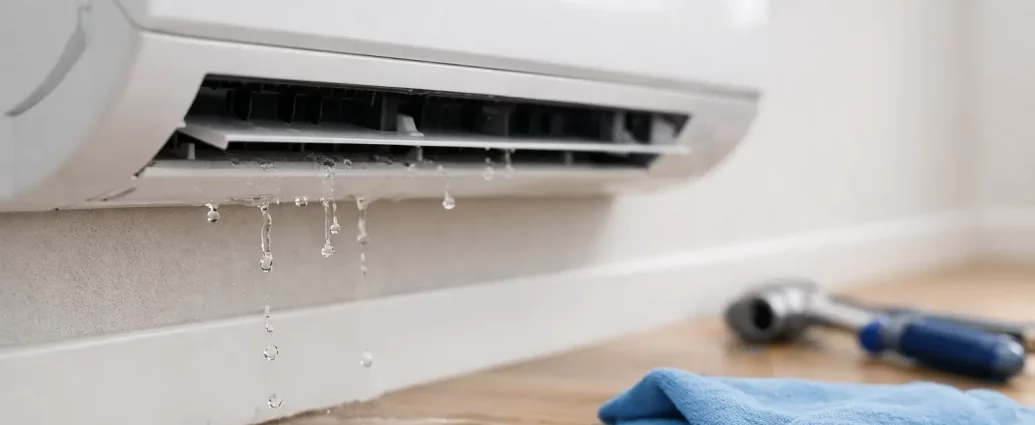
A mini split that suddenly starts dripping water gets your attention fast, especially when it is staining drywall, running down the wall, or puddling on the floor. If you are asking, why is my mini split leaking, the short answer is that water is not leaving the system the way it should. In South Texas, where air conditioners work hard for long stretches, that can happen for a few different reasons.
The good news is that a leak does not always mean major system failure. Sometimes it is a simple drainage issue. Other times, it points to an installation problem, a clogged line, a dirty filter, or a frozen coil. The key is figuring out which problem you are dealing with before a small water issue turns into interior damage or a bigger repair bill.
Why is my mini split leaking inside?
A ductless mini split naturally creates condensation when it cools your home. Warm indoor air passes over the cold evaporator coil, moisture is pulled out of the air, and that water is supposed to drain away through the condensate system. When that process gets interrupted, the water backs up and shows up where you do not want it.
In Corpus Christi and across South Texas, humidity makes this more common. The more moisture your system removes from the air, the more important proper drainage becomes. A unit that might seem fine in milder weather can start leaking once summer humidity pushes it harder.
A clogged condensate drain line
This is one of the most common causes. Dust, algae, mold, or debris can build up in the drain line over time. When the line clogs, condensation has nowhere to go, so it overflows from the indoor unit.
If the leak is steady but the system is still cooling, a blocked drain is high on the list of likely causes. Some homeowners notice a musty smell along with the leak, which can happen when moisture sits in the drain system too long.
A dirty air filter
A neglected filter can restrict airflow enough to create bigger problems. When air cannot move properly across the evaporator coil, the coil can get too cold and start freezing. Once that ice melts, it can create more water than the drain pan and line can handle normally.
This is one of those issues that sounds minor but can lead to a chain reaction. Poor airflow reduces performance, strains the system, and increases the chance of water ending up indoors.
A frozen evaporator coil
If your mini split is leaking and not cooling well, icing may be part of the problem. Low airflow is one cause, but low refrigerant can also freeze the coil. After the system cycles off or starts thawing, the melting ice can drip or overflow.
This is where DIY troubleshooting should stop being aggressive. Cleaning a filter is one thing. Refrigerant issues and freeze-ups need proper diagnosis, because adding refrigerant without fixing the actual cause is not a real solution.
Improper installation or poor unit leveling
Mini splits must be installed with the right pitch so condensation flows toward the drain. If the indoor head is not level the correct way, water can collect and spill from the front or side.
This can happen on newer installations as well as older ones. A unit may have been mounted slightly off from day one, or the wall bracket may have shifted over time. Drain routing matters too. If the drain hose is kinked, pinched, or routed uphill anywhere it should not be, water can back up.
A cracked drain pan or loose connection
Although less common, the drain pan itself can crack, or a drain connection can come loose. In that case, even normal condensation can leak before it ever reaches the drain line.
This kind of issue usually needs hands-on inspection. The leak pattern may seem random at first, especially if water is traveling along the unit casing before it drips down.
What you can check before calling for service
If you are wondering why is my mini split leaking, there are a few safe things you can look at first. The goal is not to tear into the system. It is to catch the obvious issues and avoid making the problem worse.
Start with the air filter. If it is dirty, wash or replace it according to the manufacturer instructions and let it dry completely before reinstalling. Then check whether the indoor unit is still running normally or whether airflow feels weak.
Next, look for visible ice on the indoor unit or signs that it recently thawed. If you suspect freezing, turn the system off and let it thaw fully. Running a frozen system harder usually does not fix anything.
You can also inspect the area around the drain outlet outside, if you can access it safely. Sometimes a clog near the end of the line is visible. But if clearing it requires taking apart panels or using tools you are not comfortable with, it is better to stop there.
Finally, check whether the unit appears tilted oddly or whether the leak started soon after installation. That can help point to a drainage slope issue.
When a leaking mini split needs professional repair
Some water leaks are quick fixes. Others are symptoms of a system that needs trained service. If the leak keeps returning, if the unit is icing up, if cooling has dropped off, or if you see water damage forming on nearby walls or ceilings, it is time to have it checked properly.
A technician can test airflow, inspect the condensate system, verify drain slope, check for refrigerant problems, and make sure the installation is doing what it should. That matters because two leaks can look the same from the floor, even when the actual causes are completely different.
This is especially true with ductless systems. Mini splits are efficient and reliable, but they are not forgiving of sloppy drainage, restricted airflow, or incorrect charge levels. A proper diagnosis saves time and usually saves money compared with guessing.
Why mini split leaks are common in South Texas
Humidity changes the conversation. In a dry climate, a minor drainage issue may take longer to show up. In Corpus Christi, your mini split is often pulling a lot of moisture out of the air, especially during long cooling cycles. That means more condensate moving through the drain system every day.
Salt air near the coast, dust, and heavy use can also add to maintenance issues. Filters load up faster. Drain lines can develop buildup. Outdoor components face harsh conditions. None of that means mini splits are a bad fit here. It just means regular maintenance matters more than many homeowners expect.
If your system is in a garage, shop, sunroom, or room addition, the usage pattern can also affect moisture load. Spaces that heat up fast or stay closed off can create stronger swings in humidity and temperature, which makes any drainage weakness easier to notice.
How to help prevent future leaks
Most mini split leaks are easier to prevent than to clean up after. Staying ahead of filter maintenance is the simplest step. A clean filter helps airflow stay where it should, which protects the coil and supports proper dehumidification.
It also helps to have the system inspected before peak cooling season. A technician can check the drain line, the indoor coil, system operation, and overall installation condition before summer stress exposes a weak point. That is particularly useful for older systems, newly installed systems, and DIY mini splits that may not have had a full service check after setup.
For homeowners who chose a MRCOOL system because they wanted flexibility and value, ongoing support matters just as much as the equipment itself. That is one reason many local customers want a dealer that can help with both product questions and actual service when something starts acting up.
Should you keep running a leaking mini split?
Usually, no. If the leak is active inside the house, continuing to run the unit can increase water damage and make diagnosis harder. If the coil is frozen or the drain system is backed up, extra runtime just adds more moisture to an already bad situation.
If you need to protect flooring or walls while waiting on service, shut the unit off and place towels or a pan under the drip area if it is safe to do so. Then get the issue checked before restarting the system for normal use.
Water leaks are one of those HVAC problems that homeowners often try to wait out. That rarely works for long. A mini split is supposed to manage moisture quietly in the background. When it starts leaking indoors, it is telling you something is off – and the sooner that gets addressed, the better your chances of avoiding a larger repair.
If your system is leaking, trust what you are seeing. A small drip today can turn into damaged sheetrock, mold concerns, or performance problems you feel in every room. The right fix starts with an honest diagnosis, and that peace of mind is worth getting sooner rather than later.