





If you’re comparing air handler vs furnace, you’re probably not shopping for a small upgrade. You’re trying to choose the part of your HVAC system that will shape comfort, efficiency, and utility costs for years. In Corpus Christi and across South Texas, that choice often comes down to your heating needs, your existing setup, and whether you’re pairing the system with a heat pump or a traditional air conditioner.
A lot of homeowners assume these two pieces of equipment do the same job. They do not. An air handler moves conditioned air through your home and usually works with a heat pump or straight cooling system. A furnace heats air directly and then pushes it through the ductwork. Both can be part of a central HVAC system, but the way they create heat, the climates they suit best, and the long-term operating costs can look very different.
Air handler vs furnace: the core difference
The simplest way to look at it is this: an air handler is mostly about air movement, while a furnace is about heat production.
An air handler contains components like a blower, evaporator coil, and sometimes electric heat strips. On its own, it does not burn fuel to create heat. It is commonly paired with a heat pump, which handles both cooling and heating by moving heat rather than generating it through combustion.
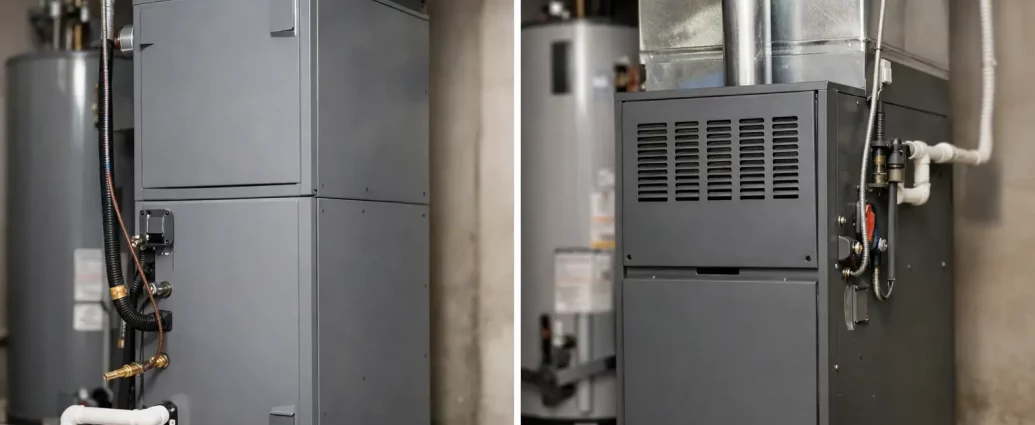
A furnace, by contrast, is built to produce heat. Gas furnaces burn natural gas or propane. Electric furnaces use electric resistance heat. In either case, the furnace warms the air and then distributes it through the ducts with a blower.
That distinction matters because it affects efficiency, installation requirements, and comfort in cooler weather. If your home has a heat pump, an air handler is usually the match. If your home is set up for gas heat, a furnace may be the more natural fit.
How each system works in real homes
In a typical air handler setup, the outdoor unit and indoor unit work as a team. During cooling season, the indoor coil absorbs heat from inside the home while the blower moves air across that coil. During heating season, if the system is a heat pump, the outdoor unit pulls heat from outside air and transfers it indoors. If temperatures drop enough, electric heat strips in the air handler may kick in for backup heat.
A furnace setup works differently. The indoor unit itself generates the heat. With a gas furnace, burners ignite and a heat exchanger warms the air before the blower sends it through your vents. The outdoor unit in that kind of system is usually just the air conditioner for cooling, not part of the heating process.
For homeowners, the big takeaway is that an air handler is usually part of an all-electric system, while a furnace may be part of a gas-electric split system. That can affect both monthly bills and installation choices.
Which is better for South Texas?
For many homes in Corpus Christi, an air handler paired with a heat pump makes a lot of sense. South Texas winters are usually mild compared with northern climates, so the extreme heating power of a gas furnace is often more than many households need. A modern heat pump can handle the majority of winter comfort demands while also delivering efficient cooling during the long hot season.
That does not mean a furnace is the wrong choice. If you already have gas service, prefer the feel of hot air from a furnace, or want stronger heating performance during cold snaps, a furnace can still be a solid option. Some homeowners simply like the familiarity of a traditional gas heating system.
The right answer depends on how your home is built, what utility rates look like in your area, and whether you’re replacing one component or redesigning the full system. In this region, many buyers lean toward heat pump and air handler combinations because they fit the climate well and can reduce the need for separate heating equipment.
Air handler vs furnace efficiency and operating cost
This is where the conversation gets more practical. A heat pump with an air handler can be very efficient because it transfers heat instead of creating it from scratch. In moderate climates, that can translate into lower heating costs than electric resistance heat and, in some cases, competitive operating costs compared with gas.
But there is a trade-off. If the air handler relies heavily on electric heat strips during colder weather, operating costs can rise fast. Heat strips are effective, but they are not the most efficient way to heat a home for extended periods.
A gas furnace can also be efficient, especially high-efficiency models. If natural gas prices are favorable, a furnace may offer attractive winter operating costs. The downside is that it adds combustion equipment, venting requirements, and fuel-related maintenance that an all-electric air handler system avoids.
So which saves more money? It depends on your utility mix, system efficiency ratings, duct condition, thermostat settings, and how often your home actually needs heat. In South Texas, where cooling demand dominates much of the year, many homeowners focus more on the total system performance than on heating alone.
Installation differences that matter
If you’re replacing an older system, existing infrastructure often drives the decision.
A furnace installation may make sense if your home already has gas lines, venting, and a matching ducted setup. Replacing like for like can simplify labor and keep project costs more predictable.
An air handler is often the cleaner choice for all-electric homes or for systems built around heat pumps. It can also be a good fit in homes where homeowners want a more modern, energy-conscious setup without adding gas components.
Space matters too. Air handlers are often installed in closets, attics, or utility spaces and can be configured for different positions. Furnaces also offer flexibility, but the installation has to account for fuel, flue venting, and safety clearances.
This is one reason sizing and equipment matching matter so much. The best equipment on paper can underperform if the airflow is wrong, the ductwork is undersized, or the indoor and outdoor components are not properly paired.
Comfort differences homeowners actually notice
On paper, both systems can heat a home. In daily use, they can feel different.
A furnace usually delivers hotter supply air at the vents. Some homeowners like that because the home warms up quickly and the heat feels stronger during cold weather. If you’ve lived with furnace heat before, this may be what comfort feels like to you.
An air handler paired with a heat pump often provides a steadier, gentler heat. The air coming from the vents may feel less hot, but the system can maintain a consistent indoor temperature very well. That softer delivery is not a flaw. It is just a different style of heating.
In South Texas, where heating season is shorter, many homeowners are comfortable with heat pump performance. For those who prioritize that warmer blast of air on chilly mornings, a furnace may still feel like the better fit.
Maintenance and long-term support
An air handler generally avoids combustion-related service issues, but it still needs regular maintenance. The blower, coil, drain system, electrical components, and any backup heat strips need to be checked. If the system is paired with a heat pump, both indoor and outdoor components matter for performance.
A furnace also needs ongoing maintenance, and with gas equipment that includes burner inspection, heat exchanger checks, ignition components, airflow testing, and safety controls. Furnaces are dependable when maintained properly, but they do have more fuel-related service considerations.
For many homeowners, support after the sale is where the real value shows up. Equipment is only half the purchase. Correct sizing, licensed installation, warranty protection, and reliable local service are what keep that investment working the way it should.
When an air handler is the smarter choice
An air handler is often the better route if you want an all-electric system, plan to use a heat pump, or live in a climate where winter heating demand is moderate. It can be especially appealing for homeowners looking for energy-efficient comfort without the added complexity of gas service.
It also makes sense for buyers who want flexible system options, including certain central heat pump setups and ducted applications that work well with modern high-efficiency equipment.
When a furnace makes more sense
A furnace may be the better option if your home already uses gas, you want stronger heating output during cold snaps, or you prefer the traditional performance of furnace heat. It can also be the practical answer when replacing an older gas system and keeping the same general design.
For some households, the decision is less about theory and more about minimizing installation changes while keeping dependable comfort.
Choosing the right system for your home
The best way to decide between air handler vs furnace is to stop treating it like a one-size-fits-all comparison. Your home size, insulation, ductwork, utility access, budget, and comfort preferences all matter. So does the local climate. What works in a northern state may not be the best value in Corpus Christi.
If you’re looking at MRCOOL equipment or comparing central system options, this is where honest guidance helps. A properly matched system should do more than turn on and off. It should fit your house, your energy goals, and your long-term service needs. That’s why many South Texas homeowners work with a local dealer that can help with sizing, equipment selection, installation, and ongoing support instead of just selling a box.
If you are still weighing the choice, start with the simplest question: do you need a system built around efficient heat pump performance, or do you want the direct heating power of a furnace? Once that answer is clear, the rest of the decision usually gets a lot easier.