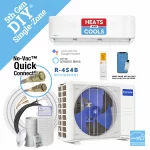
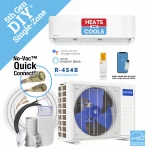
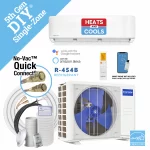
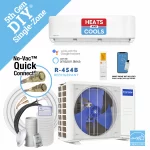

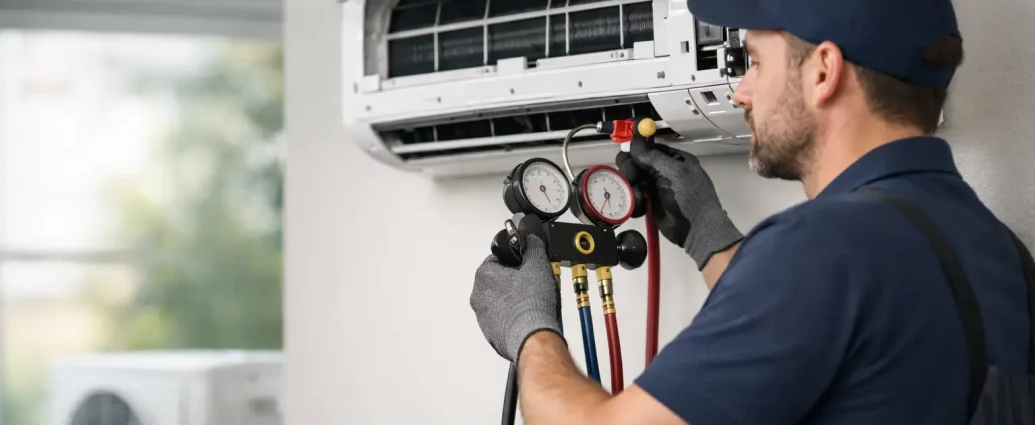
When a DIY mini split stops cooling in the middle of a Corpus Christi summer, the first question is usually the simplest one: can a DIY mini split be serviced, or are you stuck replacing the whole system? The short answer is yes, many DIY mini splits can be serviced. The harder truth is that not every HVAC company wants to touch them, and not every repair should be handled the same way.
That distinction matters more than most homeowners expect. A DIY system can be a smart way to heat and cool a garage, addition, workshop, or single room without paying for a full traditional install. But once something goes wrong, the quality of local support becomes just as important as the equipment itself.
Can a DIY mini split be serviced by an HVAC company?
Yes, a DIY mini split can often be serviced by an HVAC company, but service availability depends on the brand, the original installation quality, the type of problem, and whether replacement parts are accessible. Some contractors avoid DIY systems entirely because they did not install them and do not want to inherit problems caused by poor setup. Others will service them, especially if they are familiar with the brand and have a clear path to diagnose the issue.
This is where homeowners often run into frustration. They assume service should work the same way it does for a central air system. In reality, many contractors prefer equipment they sell and install themselves. If they are called out to a DIY unit with incorrect line routing, electrical issues, drainage problems, or damaged flare connections, they may be dealing with installation-related trouble instead of a simple component failure.
That does not mean DIY systems are unserviceable. It means support is not automatic. The dealer and service network behind the equipment matters.
What can be serviced on a DIY mini split?
A lot, actually. DIY mini splits still use the same basic refrigeration and electrical logic as other ductless systems. Indoor air handlers, outdoor condensers, control boards, sensors, fan motors, drain systems, remotes, communication wiring, and power components can all require diagnosis and repair.
Routine service is also part of the picture. Dirty filters, clogged coils, blocked condensate drains, loose electrical connections, and airflow restrictions can reduce performance or trigger error codes. In South Texas, where salt air, humidity, and long cooling seasons put extra stress on equipment, regular cleaning and inspection are not optional if you want steady performance.
The big caveat is refrigerant-related work. Some DIY systems are designed to simplify installation, but that does not mean every refrigerant issue should be treated as a homeowner task. If there is a leak, damaged line set, failed valve, or charge problem, a licensed HVAC technician is usually the right call.
Why some contractors refuse DIY mini split service
Homeowners are often surprised by how many companies say no. There are a few practical reasons.
First, liability is a real concern. If a contractor did not install the unit, they may not know whether the original placement, mounting, electrical supply, drain slope, or line set handling met manufacturer requirements. Once they work on it, customers may expect them to stand behind the entire system.
Second, some companies do not want to spend diagnostic time on equipment they do not normally sell. If parts are harder to source or the brand is unfamiliar, the repair becomes less attractive for them and more expensive for the customer.
Third, DIY equipment has been unfairly lumped together in some circles with low-end products or poorly executed installs. The real issue is not that the system was sold as DIY. The real issue is whether it was installed correctly and whether the servicing contractor understands the product.
That is why buying from a local, service-oriented dealer can make such a difference. If the seller supports the brand, understands the warranty path, and has access to repair help, the homeowner is in a much better position when something needs attention.
When service is simple and when it gets complicated
Some problems are straightforward. A unit that is not cooling well may simply need filter cleaning, coil cleaning, thermostat setting verification, or inspection for a blocked drain. An error code may point to a sensor or communication issue that can be tested and corrected without major system work.
Other cases are more involved. If a DIY mini split was mounted in a poor location, if the drain line was not managed correctly, or if the line set was damaged during installation, the service call may turn into partial rework. That is where repair cost can climb. The equipment itself may still be good, but the surrounding installation details create the real problem.
This is also why honest diagnosis matters. A trustworthy HVAC company should tell you whether the issue is a normal service repair, an installation correction, or a situation where replacement makes more financial sense.
Can a DIY mini split be serviced without voiding the warranty?
Usually, yes, but you need to pay attention to the manufacturer’s warranty terms and the service process. Every brand has its own rules about registration, approved parts, documentation, and what counts as misuse or improper installation.
For homeowners, the safest move is to avoid guessing. If the unit is under warranty, the servicing company should identify whether the problem may be covered before major repair work begins. Using the wrong parts, skipping documentation, or letting an unqualified person handle a technical repair can create problems later if you need a warranty claim.
That is another reason local dealer support matters. A seller that understands the equipment line and warranty expectations can help prevent a small issue from turning into a denied claim.
Signs your DIY mini split needs professional service
Some issues should not wait. If the unit is blowing warm air during cooling mode, short cycling, leaking water inside, tripping breakers, showing repeated error codes, making unusual grinding or buzzing noises, or icing up, it is time for a proper inspection.
Reduced performance is also worth taking seriously in South Texas. A mini split that cannot keep up with the load may not be failing outright. It could be undersized for the space, struggling with coil contamination, or losing efficiency because of airflow or refrigerant issues. Waiting too long tends to make repairs more expensive.
What to ask before scheduling DIY mini split service
Before booking a call, ask whether the company services DIY mini splits specifically, whether they work on your brand, and whether they can handle both warranty-related and non-warranty repairs. You should also ask whether they service systems they did not install.
Those questions save time. They also tell you a lot about the company’s comfort level. A contractor who hesitates or speaks vaguely may not be the best fit. A contractor who clearly explains their diagnostic process, repair scope, and pricing is usually the better choice.
If you are shopping before purchase, this same question should be asked upfront. Service after the sale is part of the real cost of ownership.
The value of local support for DIY mini splits
For many homeowners, the appeal of a DIY mini split is simple: lower installation cost, good efficiency, and room-by-room comfort. Those are real advantages. But the long-term value of the system depends on whether someone local will back it up when needed.
That is especially true in coastal Texas, where HVAC systems work hard for most of the year. Salt, humidity, dust, and extended runtime can expose small installation or maintenance issues faster than in milder climates. A unit in a garage or shop may also face tougher conditions than one inside the main home.
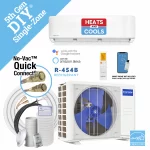
This is where a local dealer with actual service capability stands apart from a faceless online order. Your Bargain Mart serves homeowners who want genuine MRCOOL equipment, honest pricing, and real South Texas support, including service for MRCOOL DIY systems that many contractors will not touch. For homeowners who want both flexibility and backup, that support is not a small detail. It is the difference between owning equipment and having a comfort solution you can count on.
A DIY mini split does not have to become a dead-end purchase if something goes wrong. It just needs the right equipment behind it, the right expectations going in, and a service partner who is willing to help when the weather quits cooperating.