





A mini split that cools a Corpus Christi bedroom perfectly in May can struggle by August if its filters, coil, or drain line are neglected. South Texas heat, humidity, pollen, and windblown dust give ductless systems more work to do than they would in a mild climate. Knowing how to maintain mini split equipment helps protect comfort, control energy use, and catch small problems before they become a no-cool call.
Most routine care is straightforward and homeowner-friendly. The key is doing it consistently, while leaving electrical, refrigerant, and deeper mechanical work to a qualified HVAC technician.
How to Maintain a Mini Split Month to Month
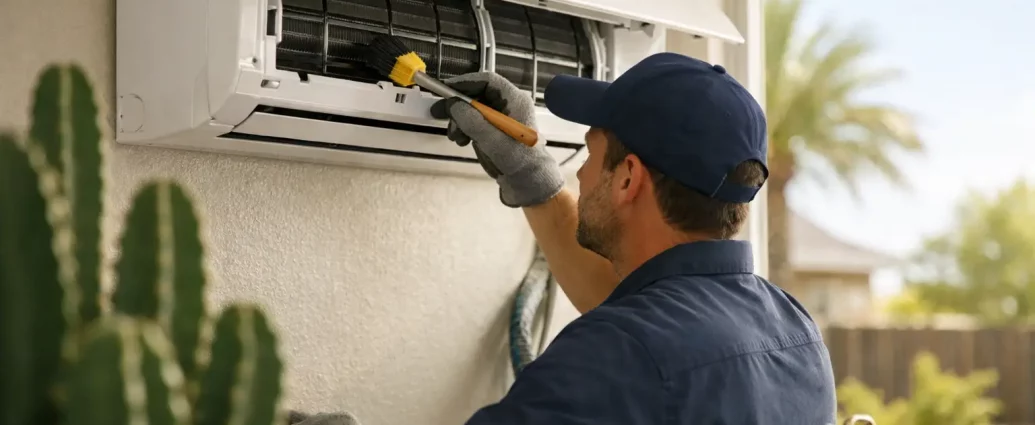
The indoor air filter is the first place to start. Every wall-mounted mini split head pulls room air through washable filters before it reaches the indoor coil. When those filters fill with dust, pet hair, or lint, airflow drops. The system has to run longer, rooms may cool unevenly, and the indoor coil can eventually freeze.
In a typical South Texas home, inspect filters every two to four weeks during heavy cooling season. Homes with pets, smokers, construction dust, or frequently opened doors may need more frequent cleaning. Turn the unit off, open the front panel according to the owner’s manual, and gently remove the filters. Rinse them with lukewarm water, use a small amount of mild soap if needed, and let them dry completely before reinstalling.
Do not run a mini split without its filters in place. Filters are not just for indoor air quality. They protect the coil and blower wheel, two components that are much harder and more expensive to clean.
While the panel is open, look for dust buildup on the louvers and visible coil surface. Wipe the plastic louvers with a soft, slightly damp cloth. Avoid spraying household cleaners, bleach, or water directly into the air handler. These products can damage finishes, enter the electrical compartment, or create unwanted residue.
Keep the Outdoor Condenser Clear
The outdoor condenser releases the heat collected inside your home. It needs open space around it to move air efficiently. Grass clippings, leaves, plastic bags, dryer lint, and tall landscaping can all reduce airflow through the outdoor coil.
Walk around the condenser once a month and remove loose debris by hand. Keep shrubs, weeds, and stored items at least 24 inches away when possible. Do not stack patio furniture, storage bins, or tools against the unit, even temporarily. A clear condenser runs more efficiently and gives a technician better access when service is needed.
After storms, check for bent coil fins, branches, standing water, or signs that the pad has shifted. Coastal humidity and salt in the air can also accelerate corrosion, especially closer to the water. If you see heavy corrosion, oily residue, damaged wiring, or a loose cabinet panel, schedule service rather than trying to repair it yourself.
A garden hose can help rinse loose dirt from the exterior coil, but use a gentle stream only and keep water away from the electrical disconnect and control components. Never use a pressure washer. High pressure can flatten the delicate aluminum fins and restrict airflow even more.
Watch the Condensate Drain Before It Backs Up
When a mini split cools, it removes humidity from indoor air. That moisture leaves through a condensate drain line. In Corpus Christi’s humid conditions, that drain line can carry a surprising amount of water, particularly during long summer run times.
Check that water is draining where it should outdoors or into the approved drain location. A little dripping during cooling operation is normal. Water dripping from the indoor head, staining a wall, or collecting near the unit is not. Those signs often point to a blocked drain, an improperly sloped line, or a condensate pump issue.
A homeowner can keep the drain outlet area clear of mud and debris, but avoid pushing wire, compressed air, or harsh chemicals into the line. Doing so can disconnect fittings inside a wall or damage drain components. If the system is leaking indoors, turn it off and arrange service promptly to prevent drywall, flooring, or electrical damage.
Use Settings That Reduce Wear
Mini splits are designed to maintain a steady indoor temperature. Constantly turning the system on and off or making large temperature changes can reduce comfort and increase run time. For most households, choosing a reasonable temperature and allowing the inverter system to modulate is more efficient than treating it like a window unit.
During the cooling season, use Auto or Cool mode and set the fan to Auto unless your system manual recommends otherwise. Avoid setting the temperature extremely low in hopes of cooling a room faster. The unit will not cool faster, but it may run longer and make the room uncomfortably cold once it catches up.
If you use Dry mode, remember that it is primarily for humidity reduction. It can be useful on muggy days, but it is not always the best choice when the home needs substantial cooling. The right setting depends on room conditions, system sizing, and how the unit was installed.
Schedule Professional Maintenance Each Year
Clean filters and a tidy outdoor unit go a long way, but annual professional maintenance is still worthwhile. This is especially true for systems operating through long South Texas cooling seasons, multi-zone installations, and DIY mini splits that may not have received a post-installation inspection.
A qualified technician can check items that should not be handled as a homeowner project, including electrical connections, refrigerant performance, temperature split, coil condition, blower wheel cleanliness, drain operation, and outdoor fan performance. They can also identify installation concerns such as poor line-set insulation, loose mounting hardware, or drainage problems before they affect the system.
Professional service is not simply a cleaning appointment. It is a performance check. A mini split can still produce cool air while operating inefficiently, developing a refrigerant issue, or carrying buildup on internal components.
Your Bargain Mart provides local support for MRCOOL systems, including service for both professionally installed and DIY units. That matters when you need a team that understands the equipment and is willing to support it after the sale.
Signs Your Mini Split Needs Service Now
Routine maintenance cannot solve every problem. Call for professional help if you notice any of the following:
- The unit blows warm air in cooling mode or takes much longer than usual to cool the room.
- Ice forms on the indoor coil, refrigerant lines, or outdoor unit.
- Water leaks from the indoor air handler or the wall beneath it feels damp.
- The system makes new grinding, buzzing, rattling, or repeated clicking sounds.
- You smell burning, notice a persistent musty odor after filter cleaning, or see an error code on the display.
- The breaker trips, the unit shuts down repeatedly, or one zone in a multi-zone system is not responding.
Do not remove refrigerant-line caps, open sealed panels, or attempt to add refrigerant. Refrigerant work requires proper tools, training, and leak diagnosis. Adding refrigerant without finding the cause can lead to repeat failures and may damage the compressor.
A Simple Seasonal Maintenance Rhythm
A practical schedule keeps maintenance from becoming another forgotten home task. During peak summer, inspect and clean filters regularly, clear the condenser area monthly, and watch the drain outlet after especially humid weeks. Before the hottest part of the season, have a technician inspect the system if it has not been serviced within the last year.
During cooler months, continue checking filters, especially if you use the system for heating. If the mini split will sit unused for a period, keep the outdoor unit clear and make sure the indoor head is dry and free of dust. There is no need to cover a mini split condenser tightly with plastic. Trapped moisture can encourage corrosion. If protection is needed from falling debris, use a breathable cover designed for the equipment and remove it before operation.
A well-maintained mini split should be quiet, responsive, and easy to live with. Clean filters, open airflow, dependable drainage, and timely local service give your system the best chance to deliver the efficient comfort you bought it for when South Texas temperatures climb.