
Honestly, A 12,000 BTU unit that looks like a bargain can feel like a mistake by the first South Texas heat wave. The real question in how to choose MRCOOL system options isn’t which model sounds best on paper. It’s which system actually fits your space, your budget, and the way you plan to live with it for the next several years.
- How to choose MRCOOL system options without overbuying
- Start with the size of the space and the heat load
- Choose the system type that fits the project
- Think about heating as well as cooling
- Pay attention to efficiency, but do the math honestly
- Installation support should affect your decision
- Warranty and product legitimacy are part of the value
- Common mistakes when choosing a MRCOOL system
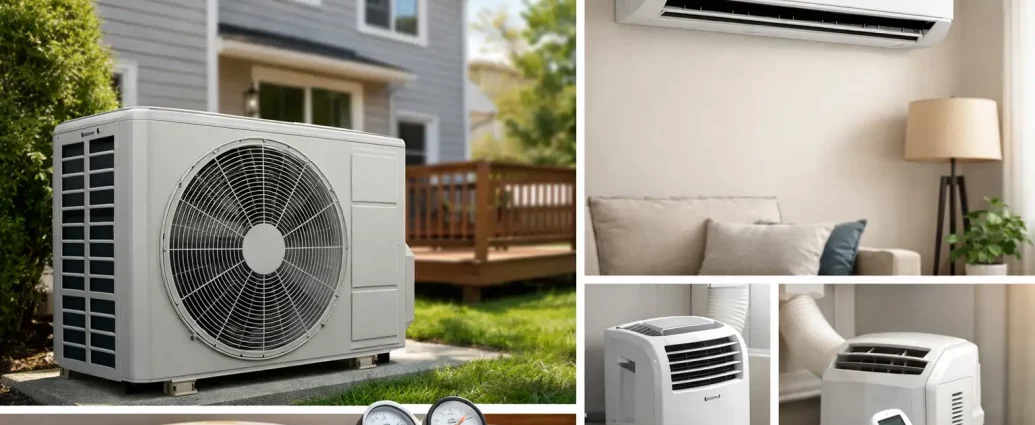
MRCOOL has earned attention because the lineup gives homeowners more than one path to better comfort. You can go ductless, central, heat pump, DIY, or professionally installed. That flexibility is a strength, but it also means the wrong choice usually comes from guessing instead of matching the equipment to the job.
How to choose MRCOOL system options without overbuying
Most buyers start with the product type, but the smarter place to start is the space itself. A bedroom addition, detached garage, older home with existing ductwork, and a whole-house replacement aren’t the same project. They shouldn’t be approached the same way.
In my experience, If you’re cooling or heating one room, a DIY or pro-grade mini-split is often the cleanest fit. If you need comfort in several separate rooms, a multi-zone ductless system may make more sense. If your home already has usable ductwork and you want a more traditional setup, a central system or MRCOOL Universal Series heat pump can be the better value long term.
This is where homeowners often get tripped up. They assume bigger means safer. In HVAC, oversized equipment can short cycle, waste energy, and leave humidity behind. In Corpus Christi and across South Texas, humidity matters almost as much as temperature. A properly matched system usually feels better than a larger one that blasts air and shuts off too quickly.
Start with the size of the space and the heat load
Square footage is a starting point, not the final answer. Ceiling height, insulation, sun exposure, window count, shade, air leakage, and how the space is used all affect sizing. A 400-square-foot garage gym with poor insulation may need a different solution than a 400-square-foot bedroom over a conditioned living area.
For whole-home systems, proper load calculation matters even more. If your existing unit struggled, don’t assume the same size was correct. Some homes need better duct design. Some need a variable-capacity or inverter-based option. Some just need the right tonnage instead of a guess based on the old nameplate.
That’s why sizing support matters. Honest guidance up front can save you from paying for equipment that never performs the way you expected.
Mini-split sizing is simple on paper, less simple in real life
Mini-splits are often grouped into familiar sizes like 9k, 12k, 18k, and 24k BTU. That makes shopping feel easy, but room conditions still change the answer. Kitchens run hotter. West-facing rooms take more afternoon sun. Workshops with tools and doors opening all day create different loads than a guest room that stays closed most of the time.
If you’re between sizes, that’s usually a sign to ask questions instead of making a fast purchase. The right answer depends on how aggressively the room gains heat, how often it’s occupied, and whether humidity control is a priority.
Choose the system type that fits the project
The best MRCOOL system is the one that solves the actual problem with the fewest compromises.
DIY mini-split systems
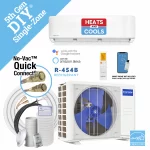
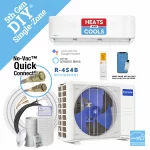
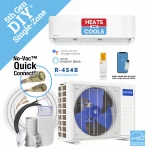
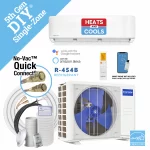
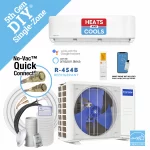
A MRCOOL DIY mini-split can be a strong option for homeowners who want ductless comfort without the added cost of a full professional install. These are especially popular for garages, home offices, bonus rooms, additions, and spaces where extending ductwork would be expensive or impractical.
The trade-off is simple. DIY systems can lower installation cost, but only if the homeowner is comfortable following instructions, handling mounting and line routing carefully, and setting realistic expectations. Not every house is a good DIY candidate, and not every homeowner wants that responsibility.
Pro-grade mini-splits and multi-zone systems
If you want ductless comfort with more complex zoning, a cleaner finish, or full installer oversight, pro-grade equipment may be the better call. Multi-zone systems are helpful when several rooms need independent control, but they also require more planning. Line set runs, head placement, drainage, and outdoor unit capacity all need to be coordinated correctly.
This route usually costs more up front, but it can deliver better aesthetics and fewer installation headaches in larger projects.
Central systems and Universal Series equipment
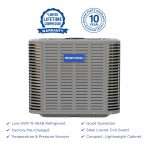
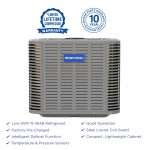
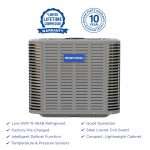
For homes with existing ductwork, central air and heat pump systems often remain the most familiar and practical solution. MRCOOL Universal Series equipment is especially attractive to homeowners who want inverter-driven efficiency with flexibility in how the system is configured.
This type of system makes sense when you’re replacing an aging central unit, upgrading efficiency, or looking for year-round heating and cooling from one platform. The condition of the duct system matters here. Even high-quality equipment can’t make up for leaking, undersized, or poorly laid-out ducts.
Think about heating as well as cooling
A lot of South Texas buyers focus on summer performance first, and that’s understandable. But your system still needs to handle winter comfort efficiently. If you’re comparing a straight cool system with electric heat, a heat pump, or a higher-performance cold-weather option, the right pick depends on your home and your utility costs.
Heat pumps are appealing because they handle both heating and cooling efficiently for many homes. If you’re replacing older equipment, this can simplify the setup and improve operating cost. For some households, pairing equipment with existing backup heat may still make the most sense. It depends on the home’s layout, insulation, and how much heating you truly need.
Pay attention to efficiency, but do the math honestly
High efficiency sounds great, and often it’s. But the highest rating isn’t automatically the smartest buy. The better question is whether the added cost pays you back in your climate, your usage habits, and your expected length of ownership.
If you’re conditioning a garage a few hours a week, chasing the top efficiency number may not pencil out. If you’re replacing the main comfort system in your full-time residence, efficiency matters more because the equipment runs far more often. Better comfort control and lower monthly bills can justify the investment over time.
This is one of those areas where honest pricing matters. A trustworthy recommendation should fit the job, not just push the most expensive unit in the catalog.
Installation support should affect your decision
Here’s the part many buyers overlook. Equipment choice is only half the decision. The support behind it matters just as much.
Before you buy, ask what happens after delivery. Who helps if you’ve sizing questions? Who handles startup issues? Who services the system later? Who will work on a DIY unit if you need help down the road?
Those questions matter because many contractors are happy to sell equipment but far less interested in supporting it after the fact, especially if the system was self-installed. Working with an authorized MRCOOL dealer that also offers local service support gives homeowners a lot more confidence. In a market like Corpus Christi, that local accountability is worth real money.
Warranty and product legitimacy are part of the value
A lower online price isn’t always a lower total cost. Factory-backed warranties, genuine equipment, and access to real support can protect you from expensive problems later. If something arrives damaged, is incorrectly matched, or isn’t covered the way you expected, that bargain can disappear fast.
Authorized dealer support helps reduce those risks. It also gives you a better chance of getting guidance that matches the actual product line instead of generic advice.
Common mistakes when choosing a MRCOOL system
The biggest mistake is buying by price alone. Right behind that are choosing based only on square footage, ignoring humidity control, and assuming any installer will happily service any setup later.
Another common issue is treating every project like a whole-house problem. Sometimes a single-zone mini-split is the cleanest answer. Other times, using ductless equipment in a home that already has good ducts can add unnecessary complexity. Good system selection isn’t about trends. It’s about fit.
If you want a practical path forward, narrow your choice by asking four questions. What space am I conditioning? Is ductwork available and worth using? Do I want DIY installation or professional installation? And who will support this system after the sale?
At Your Bargain Mart, those are the same questions we use to help South Texas homeowners make a decision they’ll still feel good about after the first utility bill and the first service call.
The right MRCOOL system should feel like a solution, not a gamble. If you slow down long enough to match the equipment to the space, the install plan, and the support you want afterward, the decision gets a lot easier.
Further reading: How to choose mrcool system on forbes.com.
In short, how to choose mrcool system rewards a careful, informed approach. Use this how to choose mrcool system guide as a starting framework, adapt it to your situation, and re-check the facts whenever the topic moves.