
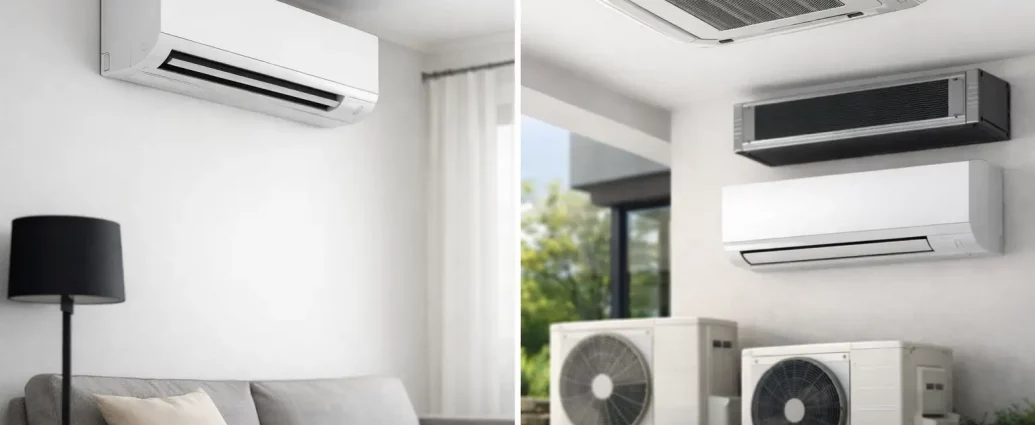
You usually know this decision is coming when one room never feels right. Maybe the garage is too hot to use half the year, the new addition stays warm at night, or the bedrooms and living room never seem to agree on a temperature. When homeowners ask about single zone vs multi zone systems, they are usually not asking for theory. They want to know what will work, what it will cost, and what will be easier to live with in South Texas heat.
For most homes, the right answer depends on how many spaces need independent control and how much flexibility you want from the system. A single-zone setup is often the cleaner, lower-cost option for one problem area. A multi-zone system makes more sense when you need to condition several rooms with different comfort needs. Both can be excellent solutions when they are sized and installed correctly.
Single zone vs multi zone: the basic difference
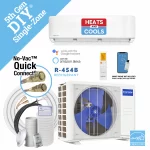
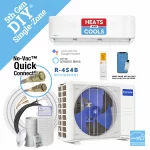
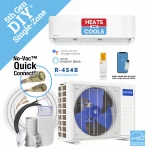
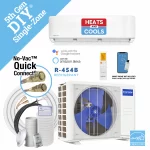
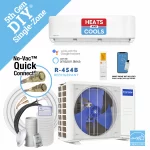
A single-zone mini-split connects one outdoor unit to one indoor unit. That means one area, one thermostat setting, and one main comfort target. It is a popular choice for a bedroom, office, sunroom, garage, workshop, or small apartment where you want direct heating and cooling without extending ductwork.
A multi-zone system uses one outdoor unit connected to multiple indoor air handlers. Each indoor unit serves its own room or zone, so you can cool the primary bedroom differently than the living room or keep a guest room at a lighter setting when nobody is using it. That level of control is the main reason people choose multi-zone ductless equipment.
This is where the comparison gets practical. If you only need to solve one room, a single-zone system is usually simpler and more cost-effective. If you need to cover several rooms and want each one controlled separately, multi-zone is built for that job.
When a single-zone system makes more sense
Single-zone systems are often the best fit when the problem is isolated. If your main house system works fine but one area struggles, adding a dedicated unit can fix the issue without overcomplicating the project. That is common with converted garages, enclosed patios, upstairs offices, bonus rooms, and additions that were never designed with enough airflow.
There is also a budget advantage. In many cases, one outdoor unit and one indoor head means lower equipment cost, simpler installation, and fewer line runs. Maintenance can be straightforward too because you are only dealing with one indoor unit.
Single-zone setups also make sense for homeowners who want a more direct match between system size and room size. If the room is 400 square feet and used every day, it can be easier to choose a properly sized single-zone unit than to design a multi-zone system around one active room and several occasional-use spaces.
Another point in favor of single-zone is redundancy. If you install separate single-zone units in different areas, one issue with a unit does not affect the entire ductless setup. That matters to some homeowners who would rather spread out risk than rely on one outdoor unit serving several rooms.
When multi-zone is worth the extra planning
A multi-zone system starts to look better when comfort problems are spread across the house. If you need separate control in the master bedroom, two guest rooms, and the living area, a multi-zone setup can deliver a cleaner overall result than trying to patch together several unrelated solutions.
The biggest advantage is individualized comfort. One person likes the bedroom colder. Another wants the office less aggressive during the day. A nursery may need a steadier temperature than a hallway or spare room. Multi-zone systems let each occupied area run closer to how it is actually used.
There can also be aesthetic and space benefits. Instead of placing several outdoor condensers around the property, a multi-zone design may reduce outdoor equipment clutter. That can help on tighter lots or homes where outdoor placement is limited.
Still, multi-zone is not automatically the better value. It takes more planning, and system performance depends heavily on correct sizing and proper installation. If the system is undersized, or if too many zones are calling for heavy cooling at once, comfort can suffer. This is why a room-by-room load calculation matters.
Cost differences homeowners should expect
In a true single zone vs multi zone cost comparison, single-zone usually wins on upfront price when you are only conditioning one room. The equipment is simpler, the installation is often faster, and there are fewer components involved.
Multi-zone systems cost more because they include a larger outdoor unit, multiple indoor heads, more refrigerant lines, and more labor. If you are covering three or four areas, that added cost may still be justified because you are getting whole-home flexibility that a one-room system cannot deliver.
The mistake some homeowners make is comparing one single-zone system to one multi-zone system without looking at the real project scope. If you need four conditioned rooms, the actual comparison may be one multi-zone system versus four separate single-zone systems. At that point, the price gap may narrow depending on layout, electrical needs, and installation complexity.
Operating cost depends on usage patterns. If only one room is occupied most of the time, a single-zone system can be very efficient. If your household uses multiple rooms on different schedules, a well-designed multi-zone system can help avoid wasting energy on spaces that do not need constant conditioning.
Efficiency and comfort are not exactly the same thing
Homeowners often assume the most efficient option is always the best choice, but comfort and efficiency do not always line up perfectly. A single-zone system can be highly efficient because it is serving one specific area with a dedicated capacity range. It is focused and predictable.
A multi-zone system can also be efficient, especially when zones are used intentionally. But its real advantage is control, not always maximum efficiency in every possible scenario. If several rooms call at once, the outdoor unit has to distribute capacity across those indoor units. That can work very well when the design is right, but it is more complex than a one-to-one single-zone setup.
In South Texas, where cooling season is long and humidity matters, equipment selection needs to reflect more than square footage. Window exposure, insulation quality, ceiling height, occupancy, and how often the room is used all affect performance. Choosing by guesswork usually leads to disappointment.
Installation factors that can change the answer
Some homes are naturally easier for single-zone installation. A detached garage, one upstairs room, or a workshop with a simple wall location can often be handled cleanly with minimal disruption. If the electrical panel is nearby and the line set route is straightforward, installation can move quickly.
Multi-zone installation tends to require more coordination. The outdoor unit has to be placed where multiple line sets can be routed effectively, and each indoor unit needs a practical mounting location. Drainage, wall access, and line concealment all matter. The system can absolutely be the right choice, but it rewards planning.
This is one reason local support matters. Homes in Corpus Christi and surrounding areas have their own challenges, from high humidity to coastal wear and tear. A system that looks great on paper still has to make sense for the property, the layout, and the way the homeowner actually lives in the space.
How to choose between single zone vs multi zone
The easiest way to decide is to start with the problem you are solving. If one room is uncomfortable and the rest of the house is fine, single-zone is usually the first option to consider. It handles targeted comfort well and often keeps the project more affordable.
If several rooms need heating and cooling, especially rooms with different usage patterns, multi-zone deserves a hard look. It gives you better room-by-room control and can create a more consistent comfort plan across the home.
You should also think about your long-term plans. If you are renovating in phases, finishing additional rooms later, or expecting changing household needs, that may influence whether a multi-zone design is worth doing now. On the other hand, if your goal is simply to make one hot room usable before summer peaks, a single-zone system may be the smarter move.
For homeowners considering MRCOOL, product selection should match both the layout and the support you want after purchase. That is where working with an authorized local dealer like Your Bargain Mart can save time and reduce mistakes. Honest sizing guidance, factory-backed warranty coverage, and real service support matter just as much as the equipment itself.
The best system is not the one with the most features. It is the one that fits your rooms, your budget, and the way your household actually uses the space. If you start there, the choice gets a lot clearer.